• About Me
  • Other Writings
  • Interview Clips
  • All About Me: American Racism, American Narcissism, and the Conversation America Can’t Have
  • Video Clips
  • Boy @ The Window Pictures
  • Boy @ The Window Theme Music

Notes from a Boy @ The Window

~

Notes from a Boy @ The Window

Category Archives: Mount Vernon High School

My Washington Mission

06 Friday Feb 2015

Posted by decollins1969 in 1, Academia, Boy @ The Window, Carnegie Mellon University, culture, Eclectic, High Rise Buildings, Mount Vernon High School, Mount Vernon New York, Movies, New York City, Pittsburgh, Politics, Pop Culture, race, Work, Youth

≈ Leave a comment

Tags

"A Substance of Things Hoped For", Archives, CMU, Columbia Historical Society, Columbiana Division, DC Public Schools, DCPL, DCPS, Dissertation Research, Esme Bhan, Howard University, Joe Trotter, Laurell, Library of Congress, Living Arrangements, Marya McQuirter, Mission Driven, Moorland-Spingarn, Roxanna Dean, Shepherd Park, Single-Minded, Spencer Crew, Student Loans, Valedictorian


Martin L

Martin Luther King, Jr. Memorial Library, DC Public Library’s main branch, Washington, DC, November 2013 (never looked this nice in 1995). (http://popville.com).

Twenty years ago this week I began the official phase of my doctoral thesis research. But it was much more than reading monographs and finding old papers at the Library of Congress and the Moorland-Spingarn Research Center at Howard University. It was also a long trip, where I would spend the next two months living in Washington, DC, to do my research on multiculturalism and multicultural education, and to find evidence of both in Black Washington, DC and in the segregated DC Public Schools. It was also the first time I’d lived away from Pittsburgh or the New York City area, meaning that I had a new city to get to know.

The trip truly involved my past, present and future, all at once. I spent my first five days visiting with my friend Laurell and her family in Arlington while looking for some temporary housing of my own. I’d eventually run into two Pitt friends and two Carnegie Mellon friends while in DC, and develop at least one new friendship between February 2 and March 24. I talked with my favorite teach in Harold Meltzer during that trip, learning more than I ever wanted to know about some of my classmates and Mount Vernon High School in the process.

7800 block of 12th Street, NW, Washington, DC, July 2014. (http://maps.google.com).

7800 block of 12th Street, NW, Washington, DC, July 2014. (http://maps.google.com).

Mostly though, I split my Washington mission into three phases. Phase one was to find a cheap place to stay. After a day of dealing with Howard University professors-turned-slum-lords in LeDroit Park, I went through the Washington Post to find a series of rented rooms with shared bathrooms and kitchens. Finally, I found a place in Shepherd Park, two blocks south of the DC-Silver Spring, Maryland border. It was a three-story house in a decent neighborhood on 12th Street, NW, with Blair Park, the Silver Spring Metro, and a corner KFC within walking distance. The landlord seemed decent enough, and my basement room came to $95/week with a $100 deposit. Those were the days, before gentrification and the housing boom sent the cost of shelter through the roof!

Phase two of my trip began Wednesday, February 8. I organized my schedule based on going to a number of archives and collecting materials first. I started with the Moorland-Spingarn Collection, which had been picked pretty clean by Henry Louis Gates (via buying collections) and by other, less reputable researchers (many who stole materials). I got to meet and talk with the archivist Esme Bhan about my research, which was wonderful. Still, I wondered how much longer Moorland-Spingarn could stay a reputable venue for scholarly research, with its lack of funding and lack of security from vultures emptying records.

The following week I split between the Columbiana Division at DC Public Library’s main branch, Martin Luther King, Jr. Library between Chinatown and downtown, and the DC Public School Archives on 17th and M. The DCPL portion of my work was an experiment in filtering out the smells and the sights of the homeless and mentally disabled. Not to mention the ability to not use the bathrooms in the building for eight hours at a time. The men’s stalls didn’t have doors, by the way. I spent only three days there, and rushed through gathering background on interviews of Black Washingtonians that the library had conducted back in the early 1980s. It didn’t help I had to deal with a peeping Tom at the old Hecht’s department store, where the bathrooms were much nicer.

Charles Sumner School Museum and Archives, Washington, DC, February 6, 2015. (http://dc.about.com).

Charles Sumner School Museum and Archives, Washington, DC, February 6, 2015. (http://dc.about.com).

I found a gold mine of materials on formal and unofficial education policies regarding DC Public Schools during the Jim Crow period — especially between 1920 and 1950 — at the DCPS archives. But because they didn’t have a working copier, the archivist there allowed me to take original records going back seven decades to the Sir Speedy on M Street to make my own copies. This was in contrast to my three days Presidents’ Day week at the Madison Building of the Library of Congress, where security was tighter in ’95 than at most airports in 2015.

The Library of Congress part of my data gathering was intriguing. If only because their rubber chicken lunches were expensive ($7), and because I found more material on W.E.B. Du Bois, Carter G. Woodson, Kelly Miller, Alain Locke, Anna J. Cooper and Mary Church Terrell there than I did at Moorland-Spingarn. Finally, I ended phase two with the Columbia Historical Society in Dupont Circle and a two-day expedition of finding nothing at the National Archives in DC and in Greenbelt, Maryland.

I spent most of March figuring out what to do with two big boxes’ worth of new materials and writing what would be parts of Chapter 2 and Chapter 3 of my dissertation. In between, I did find time to hang out. With my new friend Marya, who was from DC, but was working on her history doctorate from the University of Michigan. In addition to being plied with vegan options for my delicate gastrointestinal tract and talking about our research, we did joke a bit about the idea of my Joe Trotter and her Earl Lewis actually being friends in any real sense of the word. There was also time to go out to dinner with Laurell, take in a couple of bad movies with my Carnegie Mellon friend Tracie (like Losing Isaiah), and even have a quick lunch with Trotter during his own quick visit to DC.

Terrell Owens hauls in 'The Catch II' from 49ers QB Steve Young, Candlestick Park, San Francisco, CA, January 3, 1999. (Getty files via Toronto Sun, January 10, 2013).

Terrell Owens hauls in ‘The Catch II’ from 49ers QB Steve Young, Candlestick Park, San Francisco, CA, January 3, 1999. (Getty files via Toronto Sun, January 10, 2013).

After seven weeks of living in DC, I took the train up to New York to go visit my family in Mount Vernon for a few days. What was great about those two months was how peaceful everything was. I was three weeks away from becoming a Spencer Fellow and somehow earning the ire of my doctoral advisor. My family was a month away from becoming homeless for the next two and a half years. My borrowing to cover the costs of this first major research trip, I’m probably still paying interest on today. But without this trip, I wouldn’t have begun the process of questioning the direction of my career and life, and I wouldn’t have had the opportunity to finish my doctorate. Being single-minded about a mission isn’t bad or good. It just means ignoring small stuff, some of which can occasionally turn into a festering cesspool.
What A Fool (Make) Believes

31 Saturday Jan 2015

Posted by decollins1969 in 1, Boy @ The Window, culture, Eclectic, eclectic music, Mount Vernon High School, Mount Vernon New York, music, Pop Culture, Religion, Sports, University of Pittsburgh, Youth

≈ Leave a comment

Tags

"Born In The U.S.A.", "What A Fool Believes" (1979), Black Masculinity, Blocked Shot, Bruce Springsteen, Crush #1, Crush #2, Disillusion, Doobie Brothers, Emasculation, Fantasy, Inception (2010), Kenny Loggins, Make Believe, Manchild, Michael McDonald, MVHS, Naivete, Nightmare, Patrick Ewing, Pitt, Reality, Romantic Crushes, Self-Discovery, Self-Reflection, Sentimental Fool, Stupidity


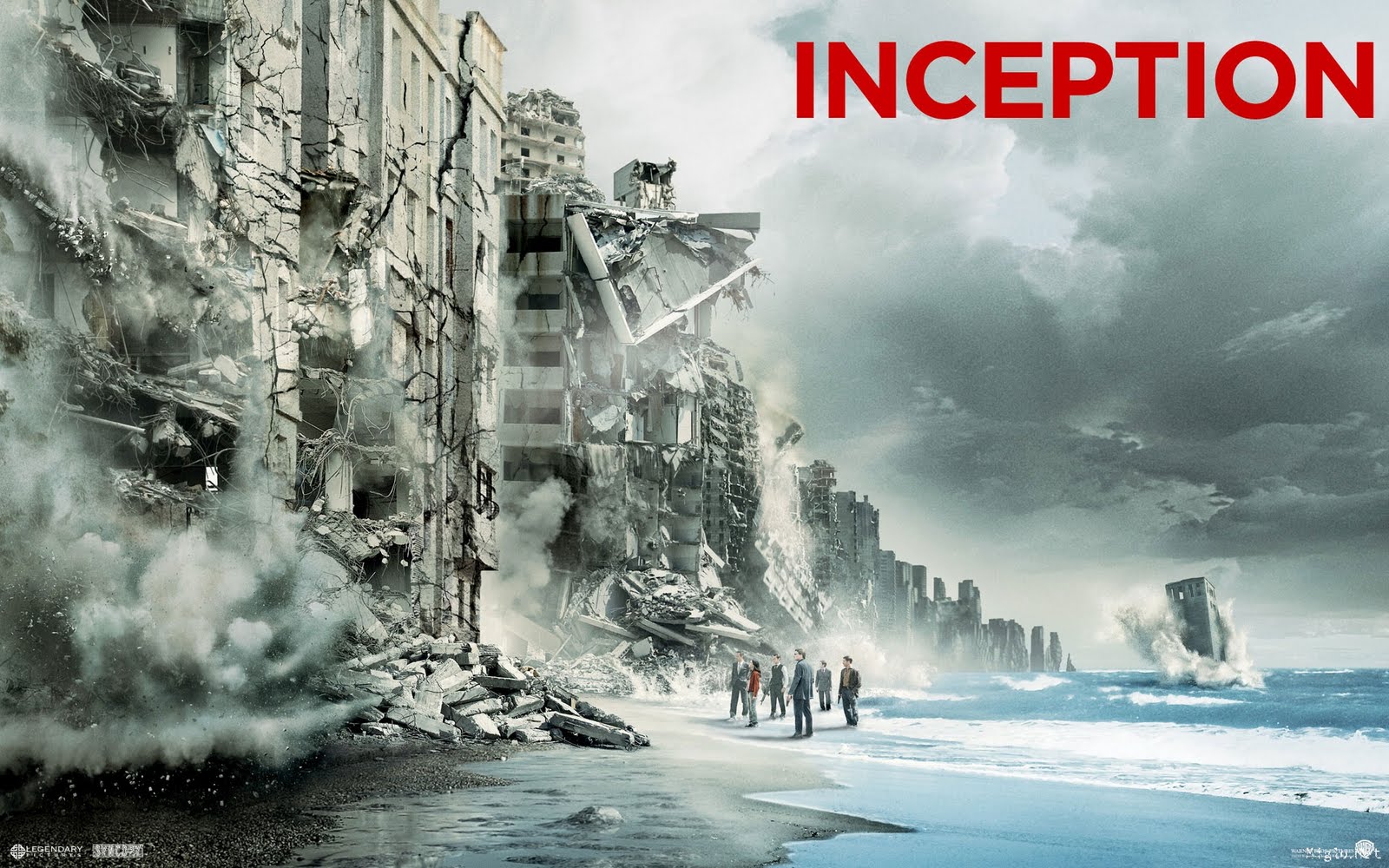
Inception (2010) movie wallpaper (scene of falling  too deep in a dream to come out of it), January 31, 2015. (http://www.alphatucana.co.uk/).

Inception (2010) movie wallpaper (scene of falling too deep in a dream to come out of it), January 31, 2015. (http://www.alphatucana.co.uk/).

I am a firm believer in the idea that just about everything in our lives happens for a reason, even if the reason involves multiple layers of chance adding up to a certainty. Meaning even the unexplainable, given enough time, study and webs of connections, can add up to a certain amount of truth, even if we as humans cannot except that limited truth.

Orange Crush can crushed, June 8, 2012. (Susan Murtaugh via Flickr.com).

Orange Crush can crushed, June 8, 2012. (Susan Murtaugh via Flickr.com).

The beginning of ’87 put me in the middle of that scenario regarding my masculinity and my relationships with everyone in my life. I knew that at seventeen that I’d already been an adult of sorts, with everything that was going on with my family at 616. But while I might have been an overburdened high school senior with adult responsibilities and adult-level decisions to make, psychologically and emotionally, I was still a twelve-year-old. One damaged by bearing witness to my stepfather beating up my Mom on Memorial Day ’82, the abuse I’d suffered at his hands afterward, and my ostracism my first years in Humanities in seventh and eighth grade. I was “a dog that been beat too much” by my senior year at Mount Vernon High School, and I’d started wondering if I had stayed one year too long before heading off to college, because my last year of K-12 wasn’t going so well either.

I was also in the middle of my second classmate crush in five years. I was more than three years removed from my most intense feelings for Crush #1 (outed at Wendy in Boy @ The Window), only to feel stomach flutters for the young woman who’d been my Crush #2 (Phyllis) for about thirteen months. Except I was too scared to tell anyone, including myself, of how I felt about her.

Nor did I really understand why I felt the way I did when I was around her. With Wendy, I could point to personality, intellect, quirkiness, among other attributes, and the fact that prior to seventh grade, I’d never met anyone like her. Phyllis, though, I’d known for more than five years, and while she was attractive and smart, it wasn’t as if she was so unique.

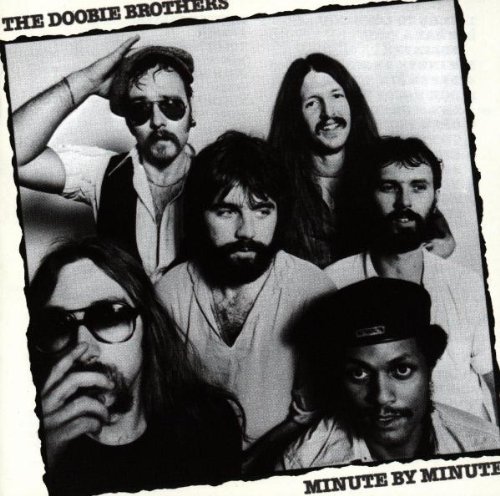
Doobie Brothers, Minute By Minute (1979) album (with "What A Fool Believes" on Track 2), January 31, 2015. (http://amazon.com).

Doobie Brothers, Minute By Minute (1979) album (with “What A Fool Believes” on Track 2), January 31, 2015. (http://amazon.com).

Still, even in the back of my more mature and emotionally cold part of my mind, I knew what it really was. Phyllis had made this beaten and abused dog feel better about himself in the worst of times, between seventh and tenth grade, back in his Hebrew-Israelite days. Even if that emotional altruism was more about saving me from hell in this life and the next, and less about liking me, her actions tugged my deeply bruised heart strings. Not Phyllis’ fault by any stretch. Just a reality. I was a “sentimental fool…tryin’ hard to recreate what had yet to be created,” like the fictional man in Doobie Brothers’ “What A Fool Believes” (1979).

By my senior year, I thought about Phyllis from afar, just like I’d done with Wendy nearly five years earlier. With my imagination, I could almost imagine anything. Including all of the indicators of romance, from dating and joking to kissing, to getting together during holiday and summer breaks during college. Everything, except anything sexual. It wasn’t because I didn’t know how. It was because in the conscious side of my mind in which my emotional age remained at twelve, I couldn’t see any young woman my age as having a carnal side, of being anything other than a near-perfect being. Phyllis may as well have been a nymph or angel, and not a real person.

Somehow I knew I was setting myself up for a year of hurt. I knew that I had to grow up, to “be a man,” to find a way to actually say that I liked Phyllis, if only for myself to hear. And I did tell it, to myself, to her, to people I came for a time to trust. I even sent a letter to Phyllis after the fact, only to be hurt even more, just like the dumb ass Michael McDonald and Kenny Loggins described in “What A Fool Believes.” “As he rises to her apology, anybody else would surely know…,” as the song goes. Only in my case, to crash and burn like the Hindenburg in New Jersey did in 1938.

Patrick Ewing blocking a Scottie Pippen shot, United Center, Chicago, March 14, 1996. (http://chicago.cbslocal.com).

Patrick Ewing blocking a Scottie Pippen shot, United Center, Chicago, March 14, 1996. (http://chicago.cbslocal.com).

By the end of ’88, though, I realized the truth. That my crush on Crush #2 wasn’t a real crush at all. It was my crutch, my coping strategy to deal with the fact that I really hadn’t felt anything about anyone in my life since those heady Wendy days. Those were my final days of childhood, those days before I’d learn for the second time in my first twelve and a half years how little control I had over my life, how little love and affection there was to find. As the song of that phase of my life went, I “never came near what [I] wanted to say, only to realize it never really was.” I never made Crush #1 “think twice,” and made Crush #2 reject me like Patrick Ewing in his prime smacking a basketball into the fifth row of Madison Square Garden.

I suppose that this happens to all boys and girls, men and women and transgender at some point or another in their lives. At twelve, it felt glorious, while at seventeen, it was painful and embarrassing. I’m just glad that I made it through that year, 1987 — though hardly happy to go and grow through the process — and came out on the other side of it ready to grow, risk and protect my heart again.

The Comedy of a Tragic Upbringing

10 Saturday Jan 2015

Posted by decollins1969 in 1, Academia, Boy @ The Window, Christianity, culture, Eclectic, Hebrew-Israelite, Jimme, Mount Vernon High School, Mount Vernon New York, Movies, My Father, New York City, Politics, Pop Culture, race, Religion, Youth

≈ Leave a comment

Tags

616, 616 East Lincoln Avenue, Alchemy, Alcoholism, Autobiography, Child Abuse, Comedy, D.L. Hughley, Dave Chappelle, Domestic Violence, Eddie Murphy, Evangelical Christianity, Father-Son Relationships, Fatism, Ghetto Klown (2014), John Leguizamo, Lewis Black, Mother-Son Relationship, Neglect, Physical Violence, Playwright, Poverty, Psychological Abuse, Respectability Politics, Richard Pryor, Rodney Dangerfield, Routines, Stand-Up Comedy, Tragedy, Transmutation


John Leguizamo playing 'Abuelo' in Tales from a Ghetto Klown, PBS Arts Festival, July 2012. (http://www.pbs.org).

John Leguizamo playing ‘Abuelo’ in Tales from a Ghetto Klown, PBS Arts Festival, July 2012. (http://www.pbs.org).

Over New Year’s weekend, I watched John Leguizamo’s HBO comedy special Ghetto Klown (2014), based on one of his one-man autobiographical Broadway shows. I don’t think of Leguizamo as funny in the same way I think of Lewis Black or Dave Chappelle or Eddie Murphy. The sweet spot for me in terms of what is funny or not funny is a routine that makes me think for a second or two, not just laugh out of sheer expectations for a funny delivery or line. Otherwise, I’d think of D.L. Hughley as a great comedian, instead of as a vile one with equally vile opinions on race and culture.

Leguizamo’s hardly the funniest comedian. But then again, he’s always been more than one thing. He’s essentially a playwright, an actor, and comedian, which means Leguizamo’s a very elaborate storyteller. In most of his work, a nonfiction storyteller. I’ve seen some of his other one-man work before. With Ghetto Klown, though, I saw and felt the sense of tragedy and regret that I hadn’t seen in his other plays and specials. Especially when it came to his family — specifically his father — and his closest friends.

When Leguizamo went through his routine about how his mother and father were upset with him about he had portrayed them in his plays as somewhat selfish and oftentimes neglectful and abusive, I understood. I’ve only written one book about my life, and my Mom and dad have both been offended by the idea that I could write about them without their permission or blessings. Leguizamo used them as bits for his comedy and Broadway stage routines for years. That’s a lot of courage, and it’s a lot of tragedy to expose, too.

Transmutation of lead bars into gold, March 2013. (http://quazoo.com).

Transmutation of lead bars into gold, March 2013. (http://quazoo.com).

I’ve thought about it a few times over the past fifteen years. What if I decided to do a stand-up routine that included elements of my upbringing? How would I do that? How would I make domestic violence and child abuse and poverty funny?

I’d start with my father, who I’d call Jimme and my father interchangeably, since that’s been the nature of our relationship for forty-five years. I’ve been able to imitate his language, his drunken stupor, his evil meanness and off-kilter mannerisms since I was fifteen. It would be easy enough to do all of his “po’ ass muddafucka…” insults in bar scenes, all while getting robbed and beaten up by other alcoholics.

I could also do my now deceased ex-stepfather Maurice, especially his constant threats to put me in the hospital or kill me. “Watch dat base in yo’ voice, boy, ‘fore I cave yo’ chest in!,” he started saying to me once my voice changed with puberty. I could imitate Maurice when he weighed over 400 pounds and wore size-54 Fruit-of-the-Loom briefs around 616, with enough fat and dinginess to make me wanna puke.

I could even imitate my Mom, at least on the threatening front. If I argued with her too long about something important that she didn’t want to talk about (like paying bills, for instance), she’d tell me, “Shut up o’ I’ma gonna cut the piss out of you.” Or I could run around a stage singing at the top of my lungs to evangelical Christian music while also acting like my younger brothers, who’d get into knockdown fights in the living room while my Mom was in her spiritual zone.

The fact is, some of the best comedy grows out of tragedy. It may not be funny to the respectable middle class types or the respectability politics types. They both would prefer people “forget about” their pasts and “just move on,” as if these issues are taboo. But you can’t be a very good comedian or writer without confronting your upbringing in some way.

Richard Pryor doing stand up, posted August 11, 2014. (http://deadline.com).

Richard Pryor doing stand up, posted August 11, 2014. (http://deadline.com).

I attempted at times in Boy @ The Window to inject some sarcasm or comedy in many of the tragic scenes in the book. Because they reflecting my thinking in the moments in which they occurred, whether in ’82 or ’88. The few people who commented on this aspect of the memoir didn’t like the comedy or the language. It was because they couldn’t reconcile the mild-mannered version of myself that I presented to the world in high school or in academia with the way in which I grew up.

Watching Leguizamo in Ghetto Klown reminded me of what I learned in watching Rodney Dangerfield (who himself was sexually abused and neglected by his parents growing up) and Richard Pryor (the son of an active and neglectful prostitute) over the years. We all have baggage and demons to deal with every day of our lives. We ignore that past and those evils at risk to ourselves and every person we’ve ever loved. We must turn the tragedy of our upbringing into something that isn’t just a cancer of pain. Be it through storytelling, autobiography, even the kind of comedy that those whose lives were much more stable growing up can appreciate but can never fully understand.

The “Are You Sure’s” and Doubting Sylvias

30 Tuesday Dec 2014

Posted by decollins1969 in 1, Academia, Boy @ The Window, culture, Eclectic, Mount Vernon High School, Mount Vernon New York, Pittsburgh, Pop Culture, race, University of Pittsburgh, Work

≈ Leave a comment

Tags

"Are You Sure?", Advising, Career Options, Cigarette Smoke, Doubters, Doubting Thomas, Doubts, Elitism, JD, MD, Mentoring, MVHS, PhD, Racism, Sylvia Fasulo, Tiki Barber, Vassar College


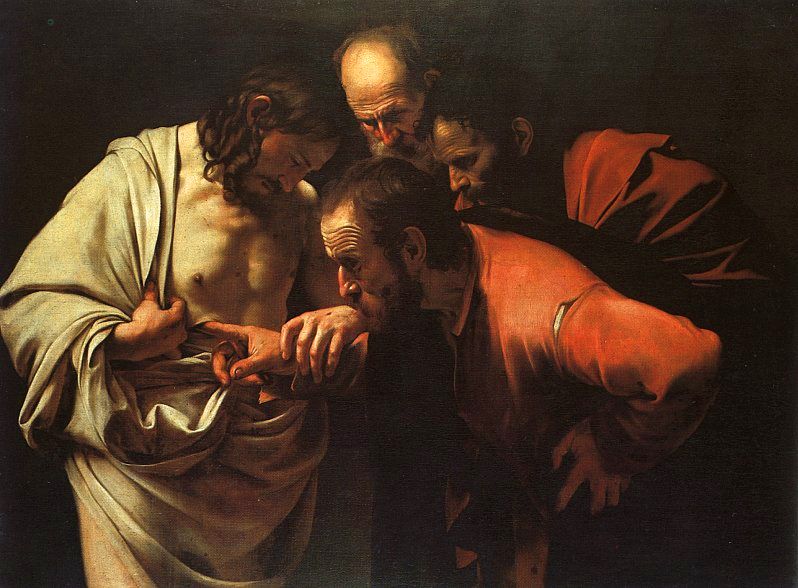
The Incredulity of Saint Thomas, by Caravaggio, c. 1601-02, uploaded April 13, 2005. (Dante Alighieri via Wikipedia). In public domain.

The Incredulity of Saint Thomas, by Caravaggio, c. 1601-02, uploaded April 13, 2005. (Dante Alighieri via Wikipedia). In public domain.

We all have doubters in our lives. Even if the only doubters turn out to be ourselves. As someone without much of a roadmap for any success, doubt has been a constant companion, one that I often had to ignore to experience any victories in my life. To have those with influence pretend to be on my side but add to those doubts, though. As a twenty-year-old, it was somewhere between bewildering and rage inducing. As a forty-five year-old who regularly advises students, love ones, friends and others about their futures, looking back at those doubters, it’s almost unforgivable the seeds they attempted to plant.

Of all the non-relatives in positions to advise me, few were worse than my high school guidance counselor Sylvia Fasulo. For four years, Fasulo forced me to listen to her “Are you sure…?” questions about difficult classes, the colleges I wanted to attend, the career paths I thought about taking. Her patrician Vassar arrogance toward me as the poor Black kid drove me up a wall every time I walked into her cigarette-filled office.

"Raleigh's First Pipe in England," an illustration in Frederick William Fairholt's Tobacco (1859), June 8, 2014. (Materialscientist via Wikipedia). In public domain.

“Raleigh’s First Pipe in England,” an illustration in Frederick William Fairholt’s Tobacco (1859), June 8, 2014. (Materialscientist via Wikipedia). In public domain.

I hated having Fasulo as my counselor especially once it was time for me to apply for college. She was condescending, demeaning and chain-smoked up my clothes for my troubles. Most of all, I hated having to reveal things about myself to her that I otherwise wouldn’t have shared. Like my family’s financial situation. Fasulo became only the second person I would tell that we were on welfare, that my father and mother had divorced and that he hadn’t made a child support payment since ’78. I had to talk to her about my role in my family as acting first-born child and my responsibilities. It was necessary and humiliating at the same time.

Despite and not because of Fasulo, things worked out for me in the end. Going to Pitt, meeting the people and the professors I’d become friends and colleagues with, was probably one of the best decisions I ever made. Still, I had one parting shot from her in the middle of my junior year at the University of Pittsburgh. It was the holiday season in ’89, and I took time while home in Mount Vernon to visit my favorite teacher, the late Harold Meltzer. I had just missed him, but bumped into Fasulo. It was about as fortuitous as having diarrhea and being nowhere near a toilet with toilet paper.

She asked me where I was in school, and I told her about my considerations for graduate school, law school and the world of work. It was a toss-off sentence, my attempt to end a conversation, not begin one. “Being a lawyer’s hard work,” Fasulo said in response. She then went on to tell me about 70-hour work weeks and billable hours and the bar exam, as if any of this was supposed to be surprising or would somehow scare me. I cut her off, saying “You know, you’re not my counselor anymore, so thanks but no thanks for your advice,” and left her office while she tried to explain her idiotic perspective.

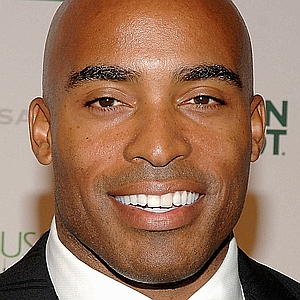
Tiki Barber, the personification of a doubter, at the American Museum of Natural History, October 16, 2008. (Jamie McCarthy/WireImage.com via http://thenypost.files.wordpress.com/).

Tiki Barber, the personification of a doubter, at the American Museum of Natural History, October 16, 2008. (Jamie McCarthy/WireImage.com via http://thenypost.files.wordpress.com/).

A quarter-century later, and though I am more than content with the fact that I opted for a PhD over a JD thirteen out of every fourteen days (people with law degrees do make more money on average), I sometimes question if the PhD in history was worth it. After all, a JD is far more portable. A JD would’ve served me better in my nonprofit and consulting careers than having to explain a doctorate. I wouldn’t want to think that I went in the direction of a graduate program for five and a half years simply because I had a conversation with a racial elitist.

It’s probably more likely that I didn’t go to medical school to earn an MD because my Mom and my idiot late-ex-stepfather both told me I couldn’t be a surgeon because I had “ten thumbs.” By more likely, I mean highly unlikely on both counts. I ultimately did what I wanted to do educationally speaking, despite own my doubts, despite the doubts of those who believed it was their job to advise me. But constantly asking, “Are you sure, Donald…?” isn’t exactly the best way to advise or mentor anyone, especially someone in their teens or a literal twenty-year-old. You lay out options, you ascertain what’s going on in their heart as well as their mind. You introduce them to other people who could provide better advice, based on direct expertise or experiences. Otherwise, you’re a doubter, not an advisor or a mentor.

For What It’s Worth, My Life Matters, Our Lives Matter

27 Thursday Nov 2014

Posted by decollins1969 in 1, Boy @ The Window, Christianity, culture, Eclectic, eclectic music, Mount Vernon High School, Mount Vernon New York, music, New York City, Pittsburgh, Politics, Pop Culture, race, Religion, University of Pittsburgh, Youth

≈ Leave a comment

Tags

"For What It's Worth" (1970), Bob McCullough, Buffalo Springfield, Darren Wilson, Double-Consciousness, Faith, Ferguson, Michael Brown, Police Brutality, Police Harassment, Racism, Rudy Giuliani, Self-Awareness, Self-Worth, Souls of Black Folk (1903), Systemic Racism, W. E. B. Du Bois, White Vigilantism, White Violence


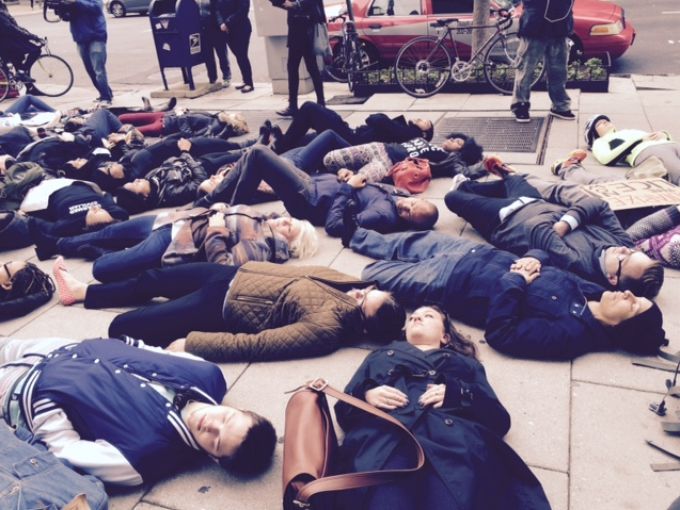
Protestors hold a die-in at 14th and I St NW, Washington, DC, November 25, 2014.  (Andrea McCarren/WUSA via http://www.wusa9.com)

(For What It’s Worth) Protestors hold a die-in at 14th and I St NW, Washington, DC, November 25, 2014. (Andrea McCarren/WUSA via http://www.wusa9.com)

Between Bob McCullough, Darren Wilson, the grand jury in Ferguson, Missouri, the NYPD, Rudy Giuliani, the Cleveland PD, and 100 million other sources, I could easily draw the conclusion that the lives of Americans of color are only worth as much as three cigarillos or a toy gun. Or, with it being 2014, that we’re just characters in a video game in which scared Whites get to kill us for sport or out of spite. Heck, I wouldn’t be surprised if the Ferguson PD allows Wilson to mount Michael Brown’s skull above his mantle after he returns from his long-delayed honeymoon, the poor racist!

But my life, your life, all of our lives are worth more than what any racist asshole or system places on us. I had to learn this lesson a long time ago. It’s the lesson that is the raison d’etre for my blog Notes from a Boy @ The Window, not to mention my book Boy @ The Window. There are literally millions of messages we as Americans of color take in over the course of our lives that for so many, our lives don’t matter. Counterintuitively, it means our lives really must matter. Why would anyone or any system expend so much time and effort excluding people on the basis of race and social status in the first place?

Café Crème cigarillos, Denmark, October 21, 2011.  (PeddderH via Wikipedia). Released to public domain via CC-SA-3.0.

Café Crème cigarillos, Denmark, October 21, 2011. (PeddderH via Wikipedia). Released to public domain via CC-SA-3.0.

Still, learning that I mattered began at home, in Mount Vernon, New York, from folks who treated me every day as if I mattered not at all. Between my Humanities and Mount Vernon High School experiences and the abuse I suffered at home, I didn’t need the additional dimension of police harassment or White vigilantism to remind me that those of us without standing, who refused to conform to acceptable ways of thinking and speaking, were discardable. Maybe that’s why I turned to nondenominational Christianity in the first place. To realize that despite it all, that I mattered to God, to a universe much bigger and much more mysterious and powerful than the fists of my stepfather or the denigration and ostracism I received at school. It all gave me reasons to live.

So when my first encounters with police harassment and White vigilantism did occur (beginning right after my seventeen birthday), I had faith in God, and with that, faith in myself as a foundation from which to draw strength. Whether at Tower Records or in Pittsburgh or in Los Angeles, and regardless of how scared I might have felt during those moments, I remained outwardly calm. I remained myself.

Yes, I was lucky. Maybe my weirdness, my proper speech, my faith, maybe even God and the universe, kept me from getting beat up or shot on sight by police, security guards or by groups of drunken White guys in pickup trucks. But really, by the time Whites (and some Black cops, to be sure) started profiling me in earnest, I had made the decision that I had worth, that my existence, creativity, analytical ability, critical reasoning, all mattered.

It helped that I had victories in my life, big and small and somewhere in between, to draw on, too. Not just my advanced education or my first publications. By the time I’d hit thirty, I’d learned how to love again, to feel again, to write again, to have fun again, to even feel pain and recover again. All of that made my life much sweeter, filled my world with color and sound and texture, with words and deeds that mattered to me and everyone who’d become important to me.

W.E.B. Du Bois in duality (double-consciousness), original picture circa 1903, November 26, 2014. (http://www.storify.com/ozunamartin).

W.E.B. Du Bois in duality (double-consciousness), original picture circa 1903, November 26, 2014. (http://www.storify.com/ozunamartin).

While there are moments that I can go there, because of the likes of Wilson, McCullough and Giuliani, the fact is, I refuse to allow dumb-assed racists to determine my life’s worth. That those folk who devalue the lives of other folk because of their -isms (racism, misogyny, homophobia, imperialism, capitalism) and ish are in fact making their own lives worth less and worthless.

While W.E.B. Du Bois was right about this “peculiar sensation…this sense of always looking at one’s self through the eyes of others,” I don’t think I live my life in a constant state of double-consciousness. If I did, I would’ve jumped off that bridge over the Hutchinson River Parkway long before adulthood. No, up or down, I know my life has meaning, my existence is worth more than a 9mm bullet, that every sentient life matters. And like Michelle Alexander’s talk with her son this week, I’ve made sure that my son knows that his life matters, and should matter, to him, his mother, and to me.

Last Gasps, Anita Baker’s “Sweet Love,” and My ’86 Mets

26 Sunday Oct 2014

Posted by decollins1969 in 1, Boy @ The Window, culture, Eclectic, eclectic music, Mount Vernon High School, Mount Vernon New York, music, My Father, New York City, Pittsburgh, Pop Culture, race, Sports, University of Pittsburgh, Youth

≈ 1 Comment

Tags

"Sweet Love" (1986), 1986 World Series, Alcoholism, Anita Baker, Bill Buckner, Billboard Pop Chart, Cameo, Child Abuse, Club Nouveau, Coping Strategies, Domestic Violence, Drug Abuse, Giants, Grammys, Hip-Hop, Joe Morris, Living Vicariously, Mets, Mookie Wilson, R&B, Rap, Rapture album, Singing, Super Bowl XXI, WFAN


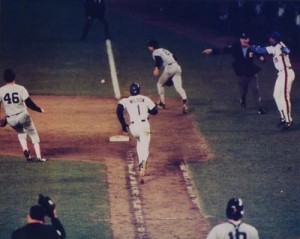
The Mookie Wilson-Bill Buckner connection, Game 6, 1986 World Series, Bottom 10th, Shea Stadium, Queens, NY, October 25, 1986. (http://halloffamememorabilia.net).

The Mookie Wilson-Bill Buckner connection, Game 6, 1986 World Series, Bottom 10th, Shea Stadium, Queens, NY, October 25, 1986. (http://halloffamememorabilia.net).

Sunday, October 26, 1986 was part of a great three days for me, perhaps the three best days during my Boy @ The Window years. My Mets had pulled off a miracle. They survived being within a strike of losing the ’86 World Series because Mookie Wilson put a ball between Boston Red Sox 1st baseman Bill Buckner’s rickety legs the night before. Anita Baker’s “Sweet Love” was #1 or #2 on the R&B charts and was near the top of Billboard’s Top 40 on this day twenty-eight years ago. Within the next thirty-eight hours, my Mets would complete the comeback, and win their second (and last, to this point anyway) World Series after falling behind 3-0 through the first six innings. Meanwhile, my Giants would run through the Deadskins at home in East Rutherford, NJ, as Joe Morris rushed for 185 yards in a 27-21 victory, on their own march to a championship title.

GoGurt, Yoplait's squeeze -in-mouth, portable yogurt, October 26, 2014. (http://freehotsamples.com).

GoGurt, Yoplait’s squeeze -in-mouth, portable yogurt, October 26, 2014. (http://freehotsamples.com).

My coping mechanisms were at their peaks, though, and had nothing else to do but crash down into the Earth. It was also my senior year in high school, a time of too many AP courses, too many college-going pressures, too many haters and doubters among my classmates, and too much of the grinding poverty and chaos that was living at 616. Within two weeks of my Mets, my Giants and Anita Baker’s first big hits, I’d discover my idiot stepfather’s pornography collection, nearly got set up with a prostitute because of my father, and face humiliation at the hands of my AP Physics teacher David Wolf and his boss Estelle Abel for the first time.

It took me almost two years to recover from the happenings of the mid-fall of ’86. In the process, I faced betrayal, ostracism, humiliation, broken-heartedness, and homelessness, but somehow managed to not make every song and every Mets and Giants (and Knicks and Rangers) victory a vicarious signpost for my own life. It helped that I started to think of Pitt — if not Pittsburgh — as my home, with concerns beyond living and dying with my New York teams and with relatively unknown but talented music artists.

Giants' RB Joe Morris running through Deadskins again, RFK Stadium, Washington, DC, December 7, 1986. (http://sikids.com).

Giants’ RB Joe Morris running through Deadskins again, RFK Stadium, Washington, DC, December 7, 1986. (http://sikids.com).

I learned other things along the way, too. That my Mets and Giants weren’t the perfect teams I thought they were. Between the alcohol and drug issues of Darryl Strawberry, Dwight Gooden, Len Dykstra, Lawrence Taylor, Kevin Mitchell, not to mention their and other teammates’ domestic violence issues, it was obvious to me that talent and winning were more important than living by a consistent code. Listening to the new 24/7 sports radio station WFAN when it began its run in the summer of ’87 showed me the hearts and minds of most fans. They obviously weren’t using sports as a coping strategy for dealing with the emotional grind of poverty and threats of abuse and domestic violence at home. Mostly White and male, their constant barrage of vitriol and disparaging racial commentary about my favorite athletes at that time — Mike Tyson in particular — actually made me wary of White sports fans for years afterward.

I also learned that with artists like Anita Baker and Luther was really the last gasp of R&B as I’d known it to be in the US. R&B was already too much like ’80s pop and a bit too mixed up with rock at times, but with Cameo’s “Word Up” and Club Nouveau’s cover of Bill Withers’ “Lean On Me,” R&B was already beginning its merge with hip-hop, and not in a good way, either. Yeah, there were some exceptions, like Levert, or Regina Belle, but the process of R&B devolving into some Yoplait GoGurt version of itself — with Autotunes, bad rap lyrics and worse rhyme spitters, and assembly-line hip-hop beats — had already begun.

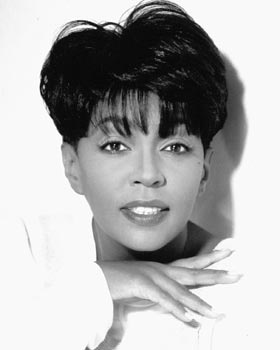
Anita Baker, Rapture phase, circa 1986. (http://projects.latimes.com).

Anita Baker, Rapture phase, circa 1986. (http://projects.latimes.com).

Some of you may say, R&B’s still alive in the US, specifically in our churches, but that’s not true, thanks in large measure to Kirk Franklin. His work in the ’90s made it so that it’s taken longer for jazz to catch on in bands and choirs than rap and hip-hop. No, if you want to find R&B with actual singers these days, try the United Kingdom of Great Britain, try France, try Senegal, try Nigeria. But don’t try the US. Nicki Minaj is no Aretha, no matter how imaginative her videos and her clothes. For that matter, Iggy Azalea’s no Teena Marie, as the former doesn’t understand the difference between cultural appropriation and authenticity. Hip-hop sprang in part from the roots and branches of R&B, but like a parasitic vine, it has cannibalized those roots.

Still, it’s good to remember days like the ones I lived through twenty-eight years ago, with Anita Baker in my ear, my Mets in victory formation, my Giants lined up right beside them. Those days are gone, like the coping strategies I used to get through every one of those days. Not to mention the R&B that was more a part of my life than the hip-hop that my contemporaries were supposedly raised on.

“Stupid Atheist” Meets Truly Stupid Christian

06 Monday Oct 2014

Posted by decollins1969 in 1, Boy @ The Window, Christianity, culture, Eclectic, Mount Vernon High School, Mount Vernon New York, Politics, Pop Culture, race, Religion, Youth

≈ Leave a comment

Tags

Acting, Activism, AP American History, AP US History, Arrogance, Atheism, Atheists, Christianity, Contradictions, Doing, Evangelical Christianity, Faith, Giving, Hope, Hypocrisy, Jay Sekulow, Mary Zini, Masturbation, Pat Robertson, Prayer in Schools, Stupidity, Teenage Angst, Teenagers, Televangelism, Televangelists, Trust, World History


Screenshot from HBO show The Leftovers title sequence, September 5, 2014. ( yU+co via http://news.creativecow.net). Qualifies as fair use under US copyright laws -- low resolution and relevance to subject matter.

Screenshot from HBO show The Leftovers title sequence, September 5, 2014. ( yU+co via http://news.creativecow.net). Qualifies as fair use under US copyright laws — low resolution and relevance to subject matter.

I’ve written about Mary Zini and our classroom incidents before, here and in Boy @ The Window. It’s been thirty years since she was my tenth-grade World History teacher. Yet most of what I remember from this class has little to do with Plato, NATO, or anything in between. It’s mostly Zini’s condescending personality, my new Christian arrogance, and that people’s personalities and actions are often walking and talking contradictions.

It was the beginning of October ’84 when we had our first incident. It occurred after what was the first of an endless cycle of fill-in-the-bubble Scan-Tron exams.

Screen shot 2014-10-05 at 5.59.18 PM

Honestly, I had no idea at that moment why I said what I said. I supposed that a summer of Jay Sekulow and the American Center for Law and Justice, all via Pat Robertson and The 700 Club had done the trick in making me a one-time prayer-in-public-schools advocate. I knew that Zini was raised a Catholic, so on some level, didn’t that make me a stupid Christian for calling her a stupid “atheist?”

That incident was also the beginning of seven months of starting to figure out how to be me and be a follower of Christ at the same time. I approached it the same way I approached how to be me in my first few months of seventh grade and Humanities at A.B. Davis Middle School in the fall of ’81. With the naiveté of a child, the hubris of a teenager, and the callousness of a human with alien superpowers.

Jay Sekulow lecturing, Regent University, December 15, 2006. (Juda Engelmayer via Wikipedia). Released to public domain via GFDL.

Jay Sekulow lecturing, Regent University, December 15, 2006. (Juda Engelmayer via Wikipedia). Released to public domain via GFDL.

It was evident in my outward actions. I packed my red-pleather-covered King James Bible every day. For school. For Subway trips down into Midtown Manhattan when me and my older brother Darren worked for our father Jimme. For when we washed clothes every Saturday or Sunday at the laundromat on the Mount Vernon-Pelham border (it’s a yoga studio now). The Bible was my constant companion, my shield protecting me from this mad world of almost bottomless sin.

In the process, I read everything from Genesis to Revelations at least twice. (some books, like the Gospels, as many as four times). I learned a lot from  reading all sixty-six books of the Old and New Testaments. That the Israelite God Yahweh was stern and pretty unforgiving. That Jesus was a radical, not just spiritually, but politically as well. And that Paul was not exactly the most enlightened of the apostles when it came to women, children and slaves.

Mostly what I learned was that readings and understanding The Bible wasn’t like living out my beliefs at all. I was still a teenager, a fifteen-year-old living in the midst of welfare poverty, at 616 with an abusive womanizer, a wounded mother and a gaggle of siblings between the ages of eight months and five-and-a-half years. Not to mention my alcoholic cuss-factory of a father that I had to hunt down for money nearly every weekend. What all that meant was feeling lust for a young woman one minute, hate toward my idiot stepfather Maurice the next, and imitating Jimme’s slurred language and mannerisms the minute after that.

This new walk was very confusing, so much so that I often hid my emotions in much the same way I’d already been doing to protect myself from yet another abuse episode with Maurice. My emotions couldn’t stay bottled up, though. I frequently humped my way to sleep once our living room at 616 had become my bedroom during and after the months in which Balkis Makeda had lived with us.

Screen shot 2014-10-05 at 6.06.59 PM

By the spring of ’85, when Zini granted me her full support in getting me into AP US History for eleventh grade (this despite my 84 average in her class at the time), I was flabbergasted. I couldn’t stand being in the same room with Zini much of the time. Yet she did for me what few in my life had done — she opened up a door for me to walk through, albeit a relatively small one.

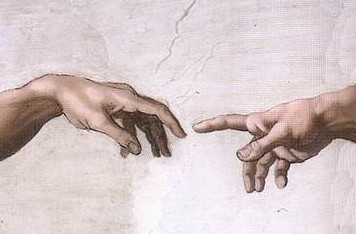
Hands of God & Adam, fingers about to touch, Sistine Chapel ceiling, Vatican, Michelangelo, 1508-1512 (via Wikipedia). In public domain.

Hands of God & Adam, fingers about to touch, Sistine Chapel ceiling, Vatican, Michelangelo, 1508-1512 (via Wikipedia). In public domain.

What did it all mean? That devoutness is meaningless without action, without giving and receiving, without trust, without taking risks. That even supposed atheists can act and give in ways that should shame many arrogant Christians. That Christianity isn’t a transactional relationship or process, but a journey with many pitfalls and lots of contradictions along the way. That who I/we say God is, well, at best an infinitesimal guess, because God and this universe is so much more that I as a human male living in the context of Western culture can only begin to understand.

Most of all, I had just begun to learn that spiritual liberation wasn’t supposed to be a yoke, but an opening to see the world and myself stripped bare of narrative and pretense. A strict adherence to the principles of Pat Robertson would bring me no closer to enlightenment and no further out of poverty than wishing on a star or avoiding cracks on Mount Vernon’s blue-slate sidewalks. Work, trust, opportunities, and not just Romans 8:28, was the beginning of the key for me.

← Older posts
Newer posts →

Boy @ The Window: A Memoir

Boy @ The Window: A Memoir

Places to Buy/Download Boy @ The Window

There's a few ways in which you can read excerpts of, borrow and/or purchase and download Boy @ The Window. There's the trade paperback edition of Boy @ The Window, available for purchase via Amazon.com at http://www.amazon.com/Boy-Window-Donald-Earl-Collins/dp/0989256138/

There's also a Kindle edition on Amazon.com. The enhanced edition can be read only with Kindle Fire, an iPad or a full-color tablet. The links to the enhanced edition through Apple's iBookstore and the Barnes & Noble NOOK edition are below. The link to the Amazon Kindle version is also immediately below:

scr2555-proj697-a-kindle-logo-rgb-lg

Boy @ The Window on Amazon.com: http://www.amazon.com/Boy-The-Window-Memoir-ebook/dp/B00CD95FBU/

iBookstore-logo-300x100

Boy @ The Window on Apple's iBookstore: https://itunes.apple.com/us/book/boy-the-window/id643768275?ls=1

Barnes & Noble (bn.com) logo, June 26, 2013. (http://www.logotypes101.com).

Boy @ The Window on Barnes & Noble: http://www.barnesandnoble.com/w/boy-the-window-donald-earl-collins/1115182183?ean=2940016741567

You can also add, read and review Boy @ The Window on Goodreads.com. Just click on the button below:

Boy @ The Window

Twitter Updates

Tweets by decollins1969
  • RSS - Posts
  • RSS - Comments

Archives

  • June 2025
  • April 2023
  • September 2022
  • August 2022
  • July 2022
  • June 2022
  • May 2022
  • April 2022
  • March 2022
  • January 2022
  • December 2021
  • November 2021
  • October 2021
  • September 2021
  • August 2021
  • July 2021
  • June 2021
  • April 2021
  • March 2021
  • February 2021
  • January 2021
  • December 2020
  • November 2020
  • October 2020
  • September 2020
  • August 2020
  • July 2020
  • May 2020
  • April 2020
  • March 2020
  • January 2020
  • December 2019
  • November 2019
  • August 2019
  • July 2019
  • June 2019
  • May 2019
  • April 2019
  • March 2019
  • February 2019
  • January 2019
  • December 2018
  • November 2018
  • October 2018
  • September 2018
  • August 2018
  • July 2018
  • June 2018
  • May 2018
  • March 2018
  • February 2018
  • January 2018
  • December 2017
  • November 2017
  • October 2017
  • September 2017
  • August 2017
  • July 2017
  • June 2017
  • May 2017
  • April 2017
  • March 2017
  • February 2017
  • January 2017
  • December 2016
  • November 2016
  • October 2016
  • September 2016
  • August 2016
  • July 2016
  • June 2016
  • May 2016
  • April 2016
  • March 2016
  • February 2016
  • January 2016
  • December 2015
  • November 2015
  • October 2015
  • September 2015
  • August 2015
  • July 2015
  • June 2015
  • May 2015
  • April 2015
  • March 2015
  • February 2015
  • January 2015
  • December 2014
  • November 2014
  • October 2014
  • September 2014
  • August 2014
  • July 2014
  • June 2014
  • May 2014
  • April 2014
  • March 2014
  • February 2014
  • January 2014
  • December 2013
  • November 2013
  • October 2013
  • September 2013
  • August 2013
  • July 2013
  • June 2013
  • May 2013
  • April 2013
  • March 2013
  • February 2013
  • January 2013
  • December 2012
  • November 2012
  • October 2012
  • September 2012
  • August 2012
  • July 2012
  • June 2012
  • May 2012
  • April 2012
  • March 2012
  • February 2012
  • January 2012
  • December 2011
  • November 2011
  • October 2011
  • September 2011
  • August 2011
  • July 2011
  • June 2011
  • May 2011
  • April 2011
  • March 2011
  • February 2011
  • January 2011
  • December 2010
  • November 2010
  • October 2010
  • September 2010
  • August 2010
  • July 2010
  • June 2010
  • May 2010
  • April 2010
  • March 2010
  • February 2010
  • January 2010
  • December 2009
  • November 2009
  • October 2009
  • September 2009
  • August 2009
  • July 2009
  • June 2009
  • May 2009
  • April 2009
  • March 2009
  • February 2009
  • January 2009
  • December 2008
  • November 2008
  • October 2008
  • September 2008
  • August 2008
  • July 2008
  • June 2008
  • May 2008
  • April 2008
  • March 2008
  • February 2008
  • January 2008
  • December 2007
  • November 2007
  • October 2007
  • September 2007
  • August 2007
  • July 2007
  • June 2007

Recent Comments

decollins1969's avatardecollins1969 on No Good Teaching Deed Goes…
Mary Rose O’Connell's avatarMary Rose O’Connell on No Good Teaching Deed Goes…
Lyndah McCaskill's avatarLyndah McCaskill on The Raunchiest of Them Al…

NetworkedBlogs on Facebook

NetworkedBlogs
Blog:
Notes From a Boy @ The Window
Topics:
My Life, Culture & Education, Politics & Goofyness
 
Follow my blog

616 616 East Lincoln Avenue A.B. Davis Middle School Abuse Academia Academy for Educational Development AED Afrocentricity American Narcissism Authenticity Bigotry Blackness Boy @ The Window Carnegie Mellon University Child Abuse Class of 1987 CMU Coping Strategies Crush #1 Crush #2 Death Disillusionment Diversity Domestic Violence Economic Inequality Education Family Friendship Friendships Graduate School Hebrew-Israelites High-Stakes Testing Higher Education History Homelessness Humanities Humanities Program Hypocrisy Internalized Racism Jealousy Joe Trotter Joe William Trotter Jr. K-12 Education Love Manhood Maurice Eugene Washington Maurice Washington Misogyny Mother-Son Relationship Mount Vernon High School Mount Vernon New York Mount Vernon public schools Multiculturalism MVHS Narcissism NFL Pitt Pittsburgh Politics of Education Poverty President Barack Obama Race Racial Stereotypes Racism Relationships Self-Awareness Self-Discovery Self-Reflection Sexism Social Justice Teaching and Learning University of Pittsburgh Violence Whiteness Writing

Top Rated

Blog at WordPress.com.

  • Subscribe Subscribed
    • Notes from a Boy @ The Window
    • Join 103 other subscribers
    • Already have a WordPress.com account? Log in now.
    • Notes from a Boy @ The Window
    • Subscribe Subscribed
    • Sign up
    • Log in
    • Report this content
    • View site in Reader
    • Manage subscriptions
    • Collapse this bar
 

Loading Comments...