• About Me
  • Other Writings
  • Interview Clips
  • All About Me: American Racism, American Narcissism, and the Conversation America Can’t Have
  • Video Clips
  • Boy @ The Window Pictures
  • Boy @ The Window Theme Music

Notes from a Boy @ The Window

~

Notes from a Boy @ The Window

Category Archives: eclectic music

AP US History Exam Day & Harold Meltzer

13 Tuesday May 2014

Posted by decollins1969 in 1, Boy @ The Window, culture, Eclectic, eclectic music, Mount Vernon High School, Mount Vernon New York, music, Politics, Pop Culture, race, Youth

≈ Leave a comment

Tags

AP, AP American History, AP US History, AP US History Exam, Appreciation, College Board, Coping Strategies, ETS, Exam Day, Harold Meltzer, Kaplan, Mentoring, Photographic Memory, Princeton Review, Privilege, Self-Discovery, Teaching and Learning
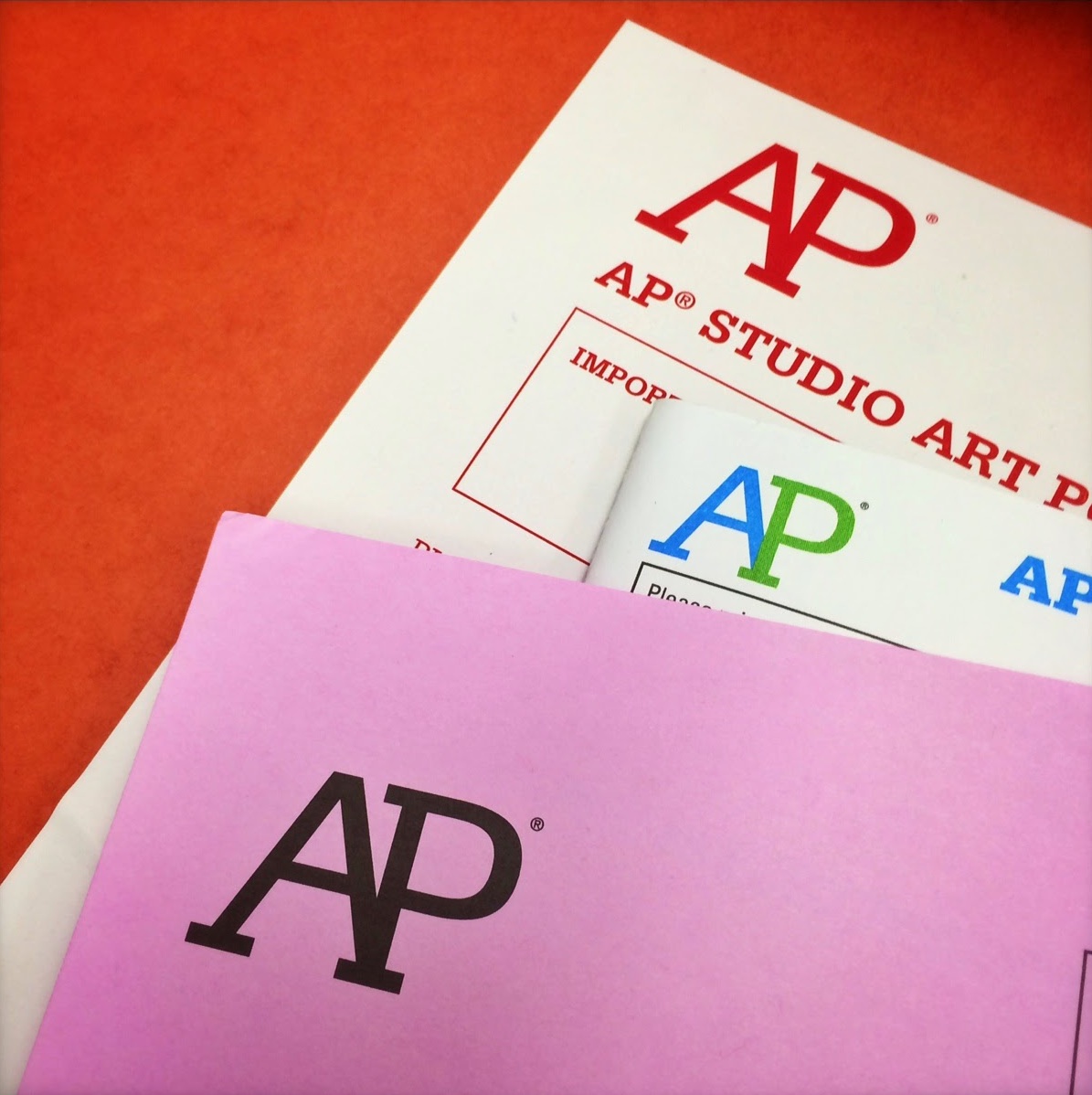

AP Day (cropped), May 9, 2014. (Tim Needles/http://artroom161.blogspot.com/).

AP Day (cropped), May 9, 2014. (Tim Needles/http://artroom161.blogspot.com/).

Twenty-eight years ago on this day/date, I was on my way to Mount Vernon High School, listening to Mr. Mister, Simple Minds, Sting and Whitney along the way. I was a few minutes away from a three-hour exam that could change my future. It wasn’t exactly the sunniest or warmest of days, though. That second Tuesday in May ’86 was brisk and heavy with clouds, a high of only 52°F. Still, with the way I felt that morning, May 13th might as well have been sunny with a high of seventy-two. 

I’ve written about my AP US History exam experience and Harold Meltzer ad nauseum here in this blog, as well as in Boy @ The Window. How I felt in the months and weeks before the exam. My expectations for a “5” and what that meant in comparison to taking something much less representative of the college experience, like the SAT. My perspective on my AP classmates and the general sense of obnoxious whining that permeated our classroom in throughout March and April ’86, and in whispers the following year. The keys to my academic success, and me being conscious of those keys, for the very first time. And, of course, the mentoring and tutelage of the late Harold Meltzer, the only teacher after elementary school who took a genuine interest in my development as a human being, not just in my grades or in my intellectual abilities.

I was a high school junior whom, at sixteen years old, had more wisdom about what would leave me well prepared for college than most parents, teachers and so-called education reformers possessed in ’86 or in 2014. Taking Algebra in eighth grade, AP courses in eleventh and twelfth grade, accelerated math and science classes all through high school. I knew even then that the APUSH exam was far more representative of my academic preparation than any SAT score would indicate, no matter how high.

AP US History For Dummies cover (2008), May 13, 2014. (http://bookoutlet.com/).

AP US History For Dummies cover (2008), May 13, 2014. (http://bookoutlet.com/).

Yet I’ve found myself in debates with folks in recent months over an issue that’s been well settled in the education world for more than a decade. Over a single four-digit score that many thought should be the difference between going to an elite school and attending a no-name local technical institute. These folks refused to recognize what even the College Board and ETS recognize. That social class and racial privilege have been infused in the SAT process for years, with so many students taking SAT-prep courses at Princeton Review and Kaplan being all the prima facie evidence I need.

Now, this doesn’t mean that Advanced Placement (or International Baccalaureate, for that matter) is much better. But in terms of the actual amount of time spent in direct preparation, with the right teacher, even an impoverished Black kid like I was could attend a public school with a magnet program and earn a “5” — without spending $1,500 on Kaplan or Princeton Review. 

Enough on that. Today, I can truly say that AP US History Exam ’86 Day was a fundamentally important milestone for me. It sealed the deal I made for myself in the midst of the summer of abuse, to get out of 616, out of Mount Vernon, and into college. Thanks Humanities. Thanks, Mr. Meltzer. Thanks, classmates. And, thank God!

My First Adult Job Interview, Teachers College

12 Monday May 2014

Posted by decollins1969 in 1, Academia, Boy @ The Window, Carnegie Mellon University, culture, Eclectic, eclectic music, Mount Vernon New York, New York City, Pittsburgh, Politics, Pop Culture, race, Upper West Side, Work, Youth

≈ Leave a comment

Tags

Barnes & Noble, Beacon Theater, Calling, CMU, Disillusionment, Finishing Second, Hotel Beacon, job interview, Job Talk, Joe William Trotter Jr., PTSD, Racial Harassment, Rage, Steven Schlossman, Teachers College, Walking While Black, Writer, Writing


Teachers College today, West 120th (between Broadway and Amsterdam), New York, NY, April 15, 2014. (http://ccnmtl.columbia.edu/).

Teachers College today, West 120th (between Broadway and Amsterdam), New York, NY, April 15, 2014. (http://ccnmtl.columbia.edu/).

Seventeen years ago this week (check the calendar – the days and dates coincide with the week of May 12-18, ’97) was perhaps one of the most euphoric and bitterly disappointing weeks in my entire adult life. It was such a strange week that it forced me into second guessing myself and my path in life for many years afterward.

But it didn’t start out that way. On Monday, May 12th, I did my very first post-doctoral interview, for an assistant professor position at Teachers College (Columbia’s school of education) in Morningside Heights (West Harlem, really). I’d flown in from Pittsburgh the evening before, and stayed at the Hotel Beacon at Teachers College’s expense, because Monday was going to be a very long day. It was loud that Sunday night, as there was some event at the Beacon Theater. But somehow, I had just enough discipline and memories of New York’s smells and sounds to fall asleep comfortably.

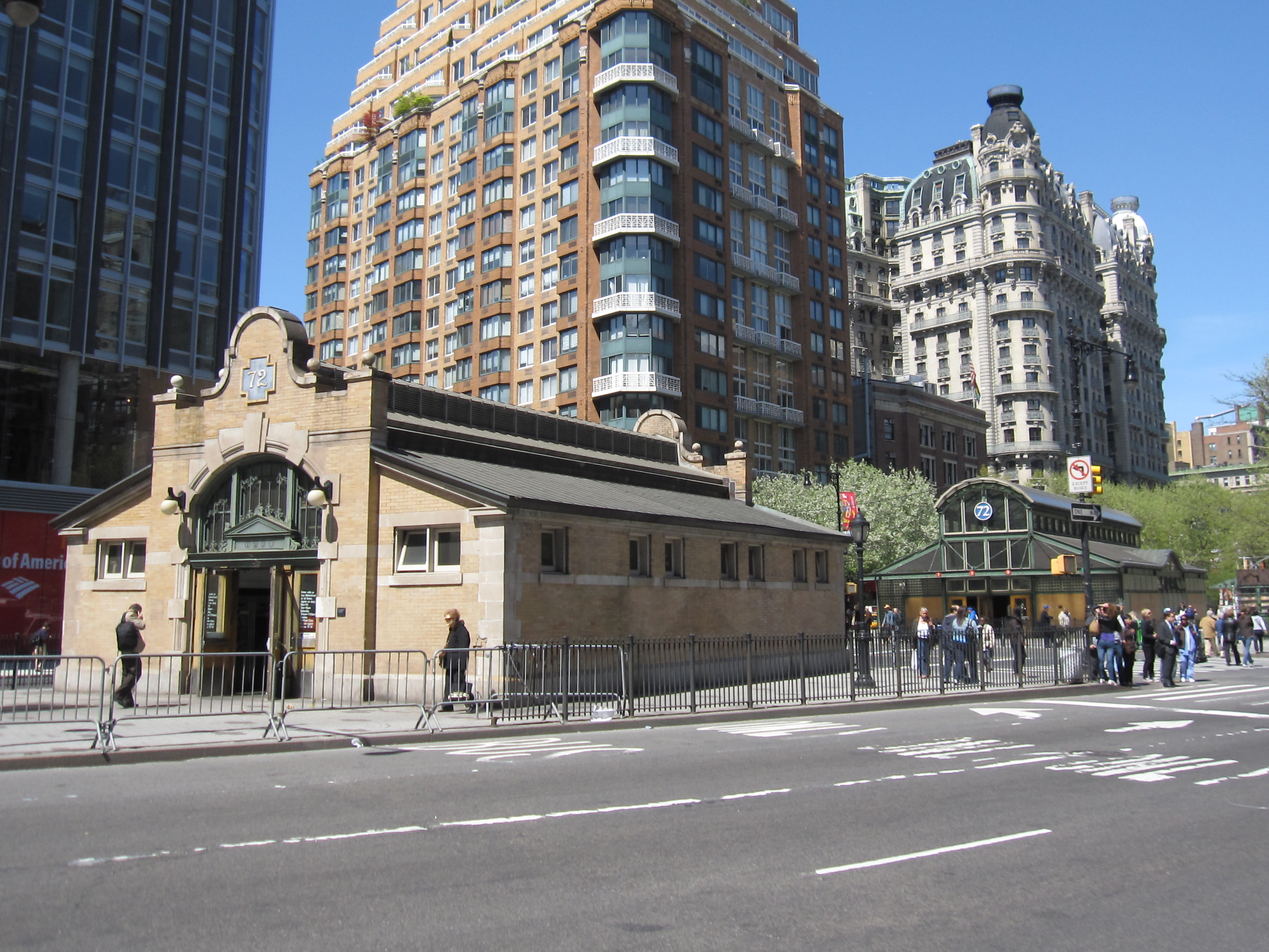
My day started at 8:30 am, so of course, I was up before seven. I put on my one and only suit — at least, the only suit I owned that fit my six-three, 215-pound frame — went over my job talk on multiculturalism, and went on my pensive way to the 72nd Street Subway entrance on Broadway. It was a meat-packed ride to 125th Street, where I had to get off (I had forgotten to walk down to 66th Street to catch the local 1 instead of the express 2 train) and walk the six or so blocks to Teachers College.

Original control house (left) and newer control house, on opposite sides of 72nd Street  (IRT Broadway – Seventh Avenue Line), New York, NY, April 13, 2010. (Gryffindor via Wikipedia). Released to public domain via CC-SA-3.0.

Original control house (left) and newer control house, on opposite sides of 72nd Street (IRT Broadway – Seventh Avenue Line), New York, NY, April 13, 2010. (Gryffindor via Wikipedia). Released to public domain via CC-SA-3.0.

After that, my day was an eight-hour blur, meeting with faculty, grad students and deans. Making sure not to eat too much while being grilled with questions over lunch. Giving my job talk and making sure to tell jokes, to bring up facts relevant to this history of education job, and, of course, to smile. Talking with grad students about how I finished my 505-page dissertation in twenty-seven months, about my teaching style and about growing up in Mount Vernon. It was as intense a process as I had expected it to be, but I felt at the end that I’d done everything possible to get the job.

I knew that I was one out of only five candidates invited to interview, out of over 500 applicants. I even had the chair of the History Department, Steve Schlossman, lobby on my behalf for the job, prior to my interview. And, despite my former advisor in Joe Trotter, I’d managed to put together a group of letters from folks that should’ve passed muster. All I could do after the interview was wait.

But life didn’t wait to intervene. After leaving the interview for the hotel, I changed into my more casual clothing, jeans and a long-sleeve t-shirt, and went off to Tower Records and Barnes & Noble on 66th and Broadway, and later, Haagan Dazs (that last one was a big gastrointestinal mistake!).  

From the moment I walked in the door at Barnes & Noble until I left a half-hour later, a Latino security guard tailed me as I perused books in the African American nonfiction, Cultural Studies and Music sections of the store, across three floors. As I walked out, I walked up to the guard and said

“While you were stalking me, you probably let half a dozen White folks slip out of here with books and CDs. Did you learn anything while you were watching me?”

“I was just doing my job,” the dumb-ass security guard said in response.

“Well, if following a Black guy around for thirty minutes is part of your job, you deserve to lose your job,” I said to him as I walked out.

It was a bit of a harbinger of things to come. I was more pissed off about these everyday slights — or, rather, microaggressions — than I’d been before Trotter and my doctorate. And I was less patient about waiting for what I wanted than I’d been as a grad student.

What your second-place prize often looks like, May 12, 2014. (http://www.wmciu.org.uk/).

What your second-place prize often looks like, May 12, 2014. (http://www.wmciu.org.uk/).

Three weeks later, I received a reimbursement check for my travel and other expenses, and within twenty-four hours, a call from the search committee chair. I’d finished second for the job. Second! To whom, I still don’t know. The chair kept telling me, “you didn’t do anything wrong…you did a very good set of interviews,” as if those compliments would pay my rent next month. I was disappointed, hopeful, but disappointed. It was my first shot, my best shot, and I’d given my best effort. “What now?,” I thought.

It’s a question that I still must ask seventeen years, two books and two careers later. I’ve long since realized that the question of what my life would’ve been like if I’d gotten the Teachers College job was moot, because my issues were about more than finding work. I still would’ve been unhappy, with a New York-esque rage to go with it.

So I counted my blessings, and I count them still. Not getting this particular job bought me the time and energy I needed. I needed that time, to see myself as the writer I also wanted to be, not just the educator and thinker I already knew I was. A better, more personable, more revealing and feeling writer than the cold and metallic one that grad school and Trotter helped turn me into by the end of ’96.

Why I Waited 9 Months to Watch 12 Years A Slave

20 Sunday Apr 2014

Posted by decollins1969 in 1, Academia, Boy @ The Window, Christianity, culture, Eclectic, eclectic music, Hebrew-Israelite, Movies, music, Politics, Pop Culture, race, Religion, Youth

≈ Leave a comment

Tags

12 Years A Slave (2013), African American History, Black Heritage, Chiwetel Ejiofor, Father-Son Relationships, Growing Pains, Growing Up, Inhumanity, Late Bloomer, Learning About Race, Lupita Nyong'o, Michael Fassbender, Slavery, Solomon Northrup, Steve McQueen, US History


Chiwetel Ejiofor in 12 Years A Slave (2013) screen shot, January 17, 2014. (http://blog.sfgate.com/). Qualifies as fair use under US copyright laws -- it illustrates subject of piece.

Chiwetel Ejiofor in 12 Years A Slave (2013) screen shot, January 17, 2014. (http://blog.sfgate.com/). Qualifies as fair use under US copyright laws — it illustrates subject of piece.

I’m usually late to the game. That’s been a running theme in my life since the early ’80s, when, as a result of my Hebrew-Israelite years, I found myself often years behind on pop culture trends. New books, new music, new dance moves, new colloquialisms, new movies. I might as well declared myself as an adult in April ’81, at least as far as the ’80s were concerned. Yet I did catch up, sometimes taking as long as a decade to get a punchline to a joke that my nemesis and classmate Alex made in seventh grade.

But not following the herd has its benefits, too. For one, I’ve gotten to look at things from a fresh perspective (some would even say as an outsider — that’s accurate as well), without succumbing to hype or groupthink about a piece of culture. Waiting also has meant that I’ve often read reviews of movies but managed to miss content-based details and that I’ve read books without forming an opinion based on its popularity ahead of my read (it’s also true about my path to Christianity). Being forced by circumstance to wait has meant that I am less apt to make sweeping declarations like “I grew up on hip-hop” when I in fact grew up with it, not on it like a drug.

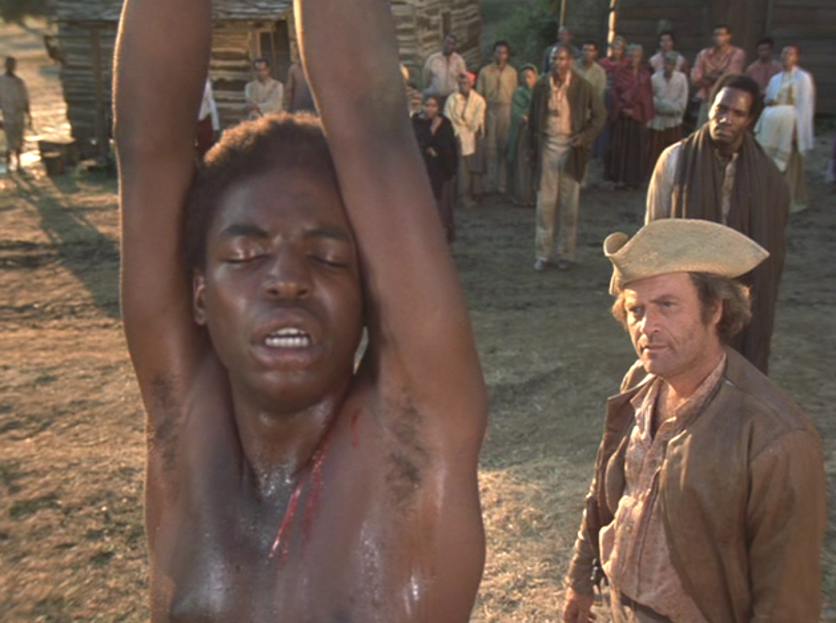
Kunta Kinte being whipped, Roots (1977) screenshot, July 6, 2012. (http://irvine.wikis.gdc.georgetown.edu). Qualifies as fair use under US Copyright laws because of screenshot's low resolution.

Kunta Kinte being whipped, Roots (1977) screenshot, July 6, 2012. (http://irvine.wikis.gdc.georgetown.edu). Qualifies as fair use under US Copyright laws because of screenshot’s low resolution.

With 12 Years A Slave (2013), though, I wanted to see it even before it came out here in the DC area in August. I’d heard about this film for months even before it was out in “select cities” in the US. Between Chiwetel Ejiofor and Michael Fassbender — two supreme British actors — I knew the film would be good. And depressing. And sad. And anger-inducing. And stomach churning. It would be an emotional roller-coaster-ride akin to my introduction to Roots on ABC in February ’77, when I was only seven years old.

So what stopped me from seeing it? My ten-year-old son. I wanted him to see the film with me. But I also knew that he would have a lot of questions. Outside of family and his visits to watch me teach my American and World History classes, my son has had little exposure to race in popular culture in an obvious sense. Most of his friends in our suburban, middle-class Silver-Spring-world are White, and his other Black friends have even less exposure to race than our deliberate injections (or inoculations) for our son.

I decided not to take him to see 12 Years A Slave because it would’ve been two hours of questions in a crowded theater, with those sitting around us ready to strangle us for ruining their watching experience. But I did queue it via Netflix weeks before it came out on DVD, with the expectation that we would watch it during his Spring Break, Easter Week.

As soon as I told my son that we were watching 12 Years A Slave last week, he became whiny and upset. Whiny because his time away from anime and Disney shows would be interrupted with parenting. Upset because of the movie title and its implications. As my son said to me when he was upset, “You made me watch Roots last year!” Well, we watched three hours of it, enough for him to see the sequence of kidnapping, the Middle Passage, slave auctions, running away, rape, whippings, and Kunta Kinte’s foot cut off. I guess the message of slavery and history really did stick with him!

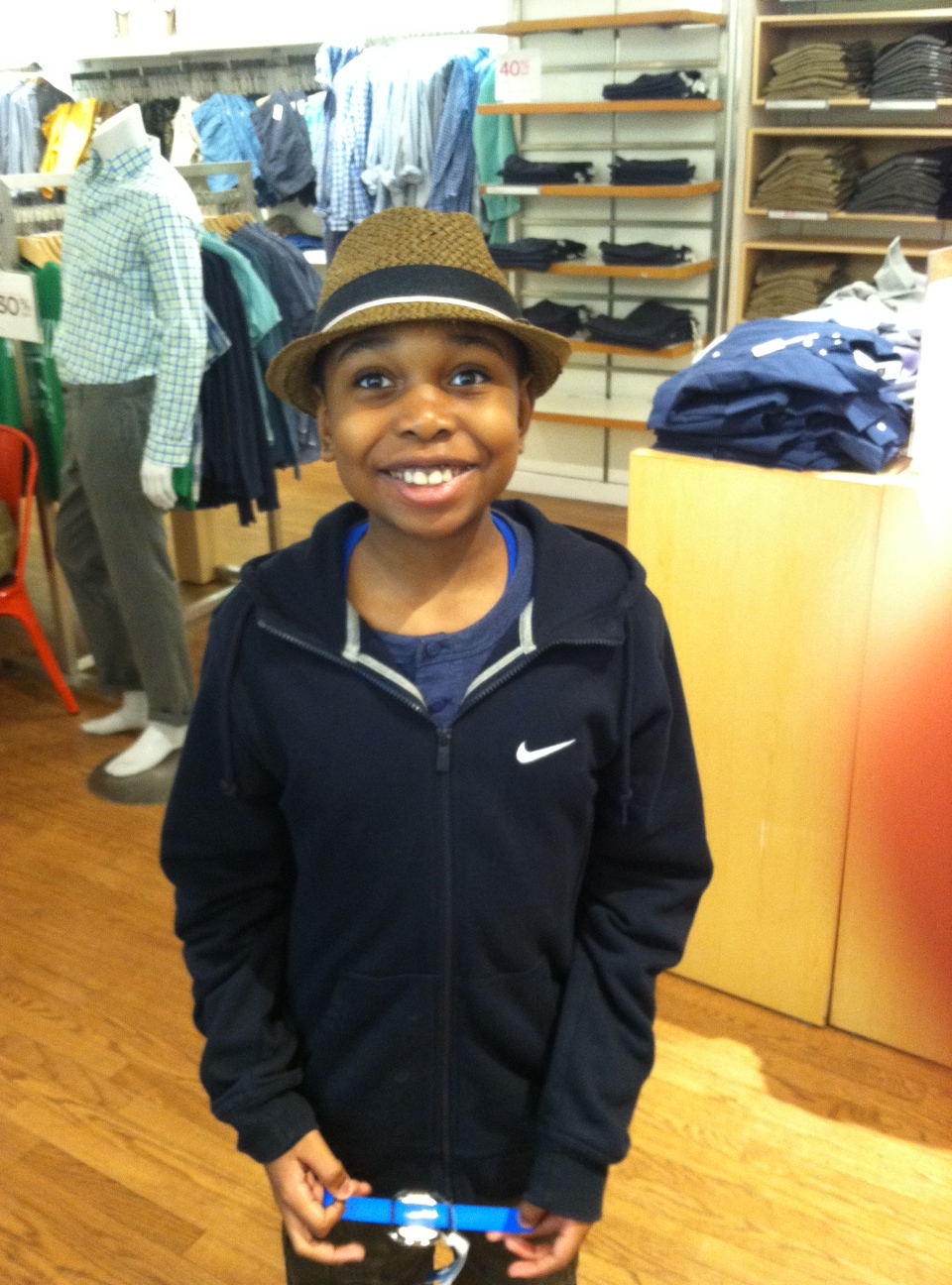
Noah trying to look cool at  The Gap store, Chevy Chase, MD, March 28, 2014. (Donald Earl Collins).

Noah trying to look cool at The Gap store, Chevy Chase, MD, March 28, 2014. (Donald Earl Collins).

We finally sat down and watched 12 Years A Slave Thursday evening. And yes, Noah did have a ton of questions, about Solomon Northrup, about free Blacks, kidnapping, mistreatment and the concept of property, about race, sexual attraction and rape, and about the rule of law. But I was more surprised about two things. One, my son sat through most of the two-and-a-quarter hour film, and only got up twice. Two, he paid serious attention in a way that he hadn’t appeared to in watching serious films before.

Still, my son was more than happy to return to his Nintendo 3DS and the land of Disney shows before bedtime that evening. The fact that he fell asleep right after bedtime, though, made it obvious, at least to me, that we’d given him more thought for food about history, race, and his own heritage.

And though I don’t think the movie was as epic as the hype-meisters have presented it to be, it was a great film, with great acting — I’m not sure if todays American actors could’ve pulled off Ejiofor’s, Fassbender’s or Lupita Nyong’o’s roles. 12 Years A Slave is also an important film, at least in terms of interrogating the meaning of race and inhumanity in this world. I just hope that those messages made it into my son’s conscious thinking. Time will tell, but enlightenment is a journey, not a race.

Woman In Love

15 Saturday Mar 2014

Posted by decollins1969 in 1, Boy @ The Window, culture, Eclectic, eclectic music, Marriage, Mount Vernon New York, music, Pop Culture, Youth

≈ Leave a comment

Tags

"I'm Every Woman" (1979), "Sweet Love" (1986), "Woman In Love" (1980), Anita Baker, Barbra Streisand, Bipolar Disorder, Celine Dion, Chaka Khan, Crushes, Drugs, Empathy, Endorphins, Euphoria, Love, Male-Female Relationships, Phyllis, Romance, Understanding Women, Wendy, Woman


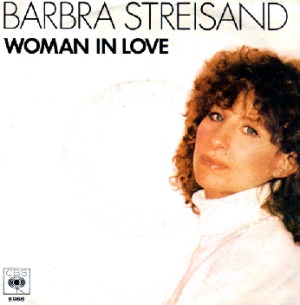
Cover art of "Woman In Love" (1980) single by Barbra Streisand, August 9, 2006. (JeanMarcDekesel via Wikipedia, http://www.discogs.com/viewimages?what=R&obid=539484). Qualifies as fair use under US copyright laws (low resolution and subject matter).

Cover art of “Woman In Love” (1980) single by Barbra Streisand, August 9, 2006. (JeanMarcDekesel via Wikipedia, http://www.discogs.com/viewimages?what=R&obid=539484). Qualifies as fair use under US copyright laws (low resolution and subject matter).

I actually like a couple of Barbra Streisand songs, both from ’80, and both from her collaboration with The Bee Gees (specifically, Barry Gibb). One is “Guilty,” the other “Woman In Love.” And yes, this is but one sign of how weird I am. But for the past thirty-four years, these songs have been part of my mental and actual music rotation, allowing me to ponder the mysteries of the opposite sex in the process.

For those moments, I’ve sometimes found myself wondering, has any woman ever felt that way about me? “I am a woman in love/And I’d do anything/To get you into my world/And hold you within.” I honesty have no idea, but the possibility of stirring passion in someone other than myself has fascinated me since the days of my Wendy crush in March ’82.

So, every time I’ve had a crush or love of major note, Streisand’s “Woman In Love” has given me to ability to think about what it would be like to be a woman. Young. In love. With all of the hopes and hurts, battles and betrayals. In ’85 with Phyllis, in ’91, in ’95 with my eventual wife, even after marriage. Somehow, the overwrought and — dare I say, Jewish — angst with which Streisand sang the song resonated with me and has stayed with me after all these years.

Cover art for Anita Baker's  Rapture (1986) CD, April 25, 2006. (Faustlin via Wikipedia). Qualifies as fair use (low resolution).

Cover art for Anita Baker’s Rapture (1986) CD, April 25, 2006. (Faustlin via Wikipedia). Qualifies as fair use (low resolution).

It wasn’t just Streisand that’s given me this feeling over the years. Anita Baker’s “Sweet Love,” and “Body and Soul,” Chaka Khan’s “I’m Every Woman” (still like this version better than Whitney’s, may she rest in peace) and “Through The Fire,” even some stuff from Celine Dion. Their music has gotten me about as close as could get to understanding what it must feel like to be a woman, at least in a generic sense. My wife, though, could probably testify to a lot more moments.

Of course, I can’t actually be a “woman in love,” no matter how much experience, imagination and empathy I can muster. Passing a kidney stone for nineteen hours in ’02 may approximate what my wife went through in giving birth to our son in ’03. But I didn’t have to carry that kidney stone around for nine months while it made noticeable changes to my body, my diet and my psyche. And having a child that you’ve fallen in love with before their birth often make the process worth it. I couldn’t get my doctors to let me see my kidney stone, much less keep it!

“It’s a right I defend/Over and over again,” Streisand sings in “Woman In Love.” As a boy and man who’s been “in love” at least four times in forty-four years, I feel that I can relate — a lot, if not in total. Taken to it’s most illogical extent, though, would mean obsession, possibly even stalker-like tendencies, especially if someone else doesn’t feel anything near the same way. But, when you’re in the middle of it, you might as well be on coke, Oxycontin and weed all at once, and with some latent form of bipolar disorder to boot. And the hangover from being in love requires much more than a Bloody Mary to get over.

Parts of your brain on drugs (endorphins) when in love, June 28, 2004. (Andreas Bartels, AP/Forbes.com).

Parts of your brain on drugs (endorphins) when in love, June 28, 2004. (Andreas Bartels, AP/Forbes.com).

How women do it, I guess I’ll never know.

City Place Mall: Why You Don’t Shop Where There’s A “Hood Policy”

04 Tuesday Mar 2014

Posted by decollins1969 in 1, culture, eclectic music, High Rise Buildings, Pop Culture, race

≈ 1 Comment

Tags

Breathing While Black, City Place Mall, Criminalization, Dehumanization, George Zimmerman, Hood Policy, Hoodies, Institutional Racism, Lisa Petrie, Malls, Petri Dish, Petrie Ross Ventures, Racial Stereotypes, Racism, Silver Spring Maryland, Trayvon Martin, White Fears, White Supremacy, Whiteness


City Place Mall, main entrance, Silver Spring, MD, June 10, 2012. (Farragutful via Wikipedia). Released to public domain via CC 3.0.

City Place Mall, main entrance, Silver Spring, MD, June 10, 2012. (Farragutful via Wikipedia). Released to public domain via CC 3.0.

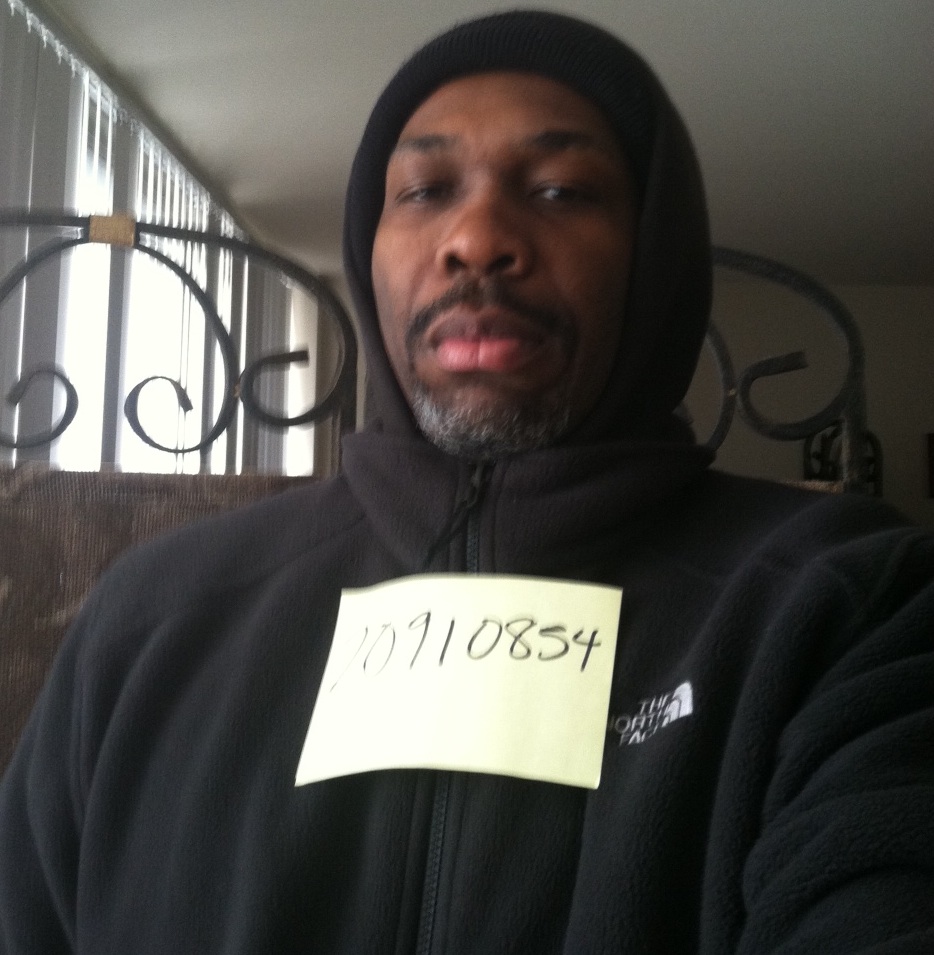
Last Thursday afternoon (February 27), a security guard at City Place Mall in Downtown Silver Spring, Maryland confronted me and my 10-year-old son about wearing a hood over our heads, having just come inside from below-freezing and windy weather. The security guard explained that the policy at City Place Mall is to forbid patrons from wearing hoods, hats, scarves, sunglasses and other clothing that would make us more difficult to identify. When I asked for a written indication of this policy, the security guard told us that the one sign for your 400,000-square-foot mall was downstairs in the lower lobby, which does patrons like me little good in informing us of their racism and stupidity.

Keep in mind, I’m a 44-year-old man with a 10-year-old kid, who’s only intent was to go to an indoor ATM machine to withdraw my money from my bank account so that we wouldn’t freeze. We weren’t shopping at Marshall’s or another store in the mall. What were we going to do, buy two packs of Skittles at the dump of a snack store at City Place instead of just one? Buy two bottles of Lipton Ice Tea (Arizona Ice Tea makes our teeth hurt)?

Me with hood get-up I wore last week with son in tow (numbers added), March 4, 2014. (Donald Earl Collins).

Me with hood get-up I wore last week with son in tow (numbers added), March 4, 2014. (Donald Earl Collins).

If this is how they treat all patrons, this policy would merely be a stupid one. I suspect, though, that they don’t stop women in veils or burqas, Sikhs with turbans or every person wearing sunglasses. No, Black and Brown male patrons — especially ones that look young and healthy — are their targets for such an idiotic policy.

I emailed Lisa Petrie about this incident and wanted clarifications about this policy. Petrie is a co-owner of Petrie Ross Ventures, LLC, the Annapolis-based group that manages (read owns here) City Place Mall. In addition, I asked her to answer the following questions:

1. Is this in fact the policy of City Place Mall, to force patrons to remove hoods and other clothing upon entering the mall?

2. If this is in fact your policy, then why isn’t it posted conspicuously at the entrances to the mall for all patrons to see and read?

3. Is this policy one that security guards are supposed to apply, and if so, are they doing so in an equitable manner?

Petrie didn’t answer any of my questions. Instead, she emailed me this response:

It is our policy in all of our properties to ask our patrons to remove their hats, hoods, etc. only as a safety precaution for all that visit our malls. I am unsure as to the procedures as I am not part of the operations team however I will ask that if you have any questions that you follow up with the property manager on site, Mr. Gary Brewer.

Bottom half of a Petri dish, the only thing I'll buy from City Place Mall in the future, October 20, 2005. (Miaow Miaow via Wikipedia). Released to public domain via CC 2.0.

Bottom half of a Petri dish, the only thing I’ll buy from City Place Mall in the future, October 20, 2005. (Miaow Miaow via Wikipedia). Released to public domain via CC 2.0.

This is a ridiculous statement, unless by “safety precaution,” Petrie means that there are George Zimmermans in all their malls waiting to shoot anyone with a hood over their heads if their skin has a significant melanin content. I did, after Petrie sent me his contact information, send Brewer the same information about the incident, as well as my questions. Mr. Brewer has refused to respond.

If this is how City Place Mall and Petrie Ross expects to treat its patrons, though, I think that whatever plans you have for this mall should come with the disclaimer that not all patrons are welcome, especially Black and Brown males. You can name your dilapidated mall Ellsworth or even Crap. I already don’t shop there. I can always withdraw money from another ATM.

Racism Doesn’t Care What Year It Is

09 Sunday Feb 2014

Posted by decollins1969 in 1, culture, Eclectic, eclectic music, Movies, music, Politics, Pop Culture, Youth

≈ 1 Comment

Tags

"And The Beat Goes On" (1979), "I Have A Dream" speech, "We Shall Overcome", Bigotry, Civil Rights Act, Individual Racism, Institutional Racism, Internet, James Byrd, Jonathan Ferrell, Laws, Marissa Alexander, MOVE, Oppression, Philadelphia PD, Racism, Rev. Dr. Martin Luther King Jr., Social Justice, Social Media, Sophia Stewart, Structural Racism, Technology, Television, The Matrix (1999), The Whispers, Trayvon Martin, Voting Rights Act, Wachowski Siblings, Yusef Hawkins


Joel Ward in celebration with Washington Capitals teammates after scoring game/series winning goal in Round 1 of Stanley Cup Playoffs against Boston Bruins (all while fans chanted racial slurs), April 26, 2012. (http://www.flightunit.com/).

Joel Ward in celebration with Washington Capitals teammates after scoring game/series winning goal in Round 1 of Stanley Cup Playoffs against Boston Bruins (all while fans chanted racial slurs), April 26, 2012. (http://www.flightunit.com/).

One of the many throwaway sentences I’ve heard and read for almost all of my life has increasingly driven me more nuts over the years. In response to a racist statement or incident, an interviewee on the air or someone writing a column will say, “It’s 1984!” or “This is 2006!,” with “and we’re still putting up with this?” or “and we’re still dealing with” racism or bigotry to finish the thought. It’s the one phrase you can expect anyone White, Black, Latino, Asian and/or American Indian to use when interviewed or with access to a public platform. As if the year in which racial injustice and bigotry manifests itself actually matters!

Seriously, did people think that marches, speeches and laws alone would end up killing the complex and morphing structure of American racism that’s existed for more than three centuries? Did we really think that singing “We Shall Overcome” and quoting Dr. Martin Luther King’s “I Have A Dream” speech would allow individual Whiteness and hatred to melt away? Was the Civil Rights Act of 1964 and the Voting Rights Act of 1965 somehow supposed to end all race-based discrimination, even when fully enforced (of course, the federal government has never fully enforced these laws)?

Picture of Michael Griffith, killed by car after group of Whites in Howard Beach, Queens attempted to beat him and his friends with baseball bats on December 20, 1986. (Denis Hamill; http://nydailynews.com).

Picture of Michael Griffith, killed by car after group of Whites in Howard Beach, Queens attempted to beat him and his friends with baseball bats on December 20, 1986. (Denis Hamill; http://nydailynews.com).

Yes, we live in an ultra-modern age, where my generation and my son’s generation know more about the world, the universe and life than my mother and grandfather’s generations. But having more knowledge often means that we as humans tend to be more destructive toward each other before becoming wise enough to end that specific pattern of destruction. Or, as has often been the case in human history, until a new group comes along and topples one structure of oppression before implementing a new and sometimes kinder and gentler one.

To think about it another way, just because we’re technologically advanced and more scientifically driven doesn’t mean that humans in general — and Americans specifically — will act rationally and change their behaviors. Especially if it involves giving up an advantage — real or perceived — in the process.

Even though we invented the atomic bomb in 1945, it didn’t stop us from using it against the Japanese or racist White rednecks from beating to death Black veterans of World War II. Though we had television sets in nearly every American home in the 1960s, it didn’t stop Bull Conner from unleashing dogs and turning fire hoses on Black kids in Birmingham, Alabama, Medgar Evers from getting shot in Mississippi or Selma, Alabama marchers from getting beat up. And though we were poised to land on the Moon in July ’69, it didn’t mean that James Earl Ray wouldn’t take a moment to blow away Dr. King fifteen months earlier.

The first oracle from The Matrix (1999, 2003), played by the late Gloria Foster, February 9, 2014. (http://matrix.wikia.com).

The first oracle from The Matrix (1999, 2003), played by the late Gloria Foster, February 9, 2014. (http://matrix.wikia.com).

In my own lifetime, there’s been more of this lag between knowledge, self-interest and racism. From Yusef Hawkins in Bensonhurst in ’89 to James Byrd being beaten, chained and dragged behind a pickup truck in Jasper, Texas in ’98. From the Philly PD’s bombing of MOVE and the community around it in ’85 to Hurricane Katrina in ’05. Not to mention individual incidents and distinctions, like Trayvon Martin, Marissa Alexander and Jonathan Ferrell. As the ’70s hit by The Whispers goes, “And The Beat Goes On.” We have the Internet, social media, the ability to mobilize outrage and righteous indignation into demonstrations for human rights and social justice. But the human capacity to build oppressive institutions remains, as well as our capacity to hate.

But, to quote The Oracle from The Matrix trilogy (1999-2003), not to mention Buddha, “Everything that has a beginning has an End,” right? Of course, that quote might well have been inspired by a story written by Sophia Stewart in ’81, whom the Wachowski siblings apparently plagiarized in making their multi-billion dollar films. Again, why does the year racism manifests itself matter?

Icy Dream

14 Tuesday Jan 2014

Posted by decollins1969 in 1, Boy @ The Window, Christianity, culture, Eclectic, eclectic music, Hebrew-Israelite, Mount Vernon High School, Mount Vernon New York, Pop Culture, Religion, Youth

≈ Leave a comment

Tags

Benetton Group, Bullying, Deja Vu, Dreams, Game of Thrones, HBO, Humanities, Imagination, Italian Club, Loneliness, Luck, Ostracism, Redemption, Renewal, Self-Determination, Winter


Massacre perpetrated by white walkers north of The Wall, "Winter Is Coming," Game of Thrones (2011). (http://justagirlinlondon.wordpress.com).

Massacre perpetrated by white walkers north of The Wall, “Winter Is Coming,” Game of Thrones (2011). (http://justagirlinlondon.wordpress.com).

One of only four times in which I use a dream or daydream device in Boy @ The Window, this one from January ’84:

It must’ve been everyone I’d come to know. About twenty-five or thirty of them in all. Led by Wendy, JD, Alex and Andrew, they all were marching down East Lincoln near where I lived, sticks and stones in hand. More like bricks and baseball bats and chains as they got closer. They were all dressed in Sergio Valente and Jordache, Benetton and OshKosh, Levi’s and Gap attire. They were all after me, my kufi, my life, my eternal soul. They weren’t running after me. They were marching in formation, like Soviet troops in Red Square, only with ridiculous smiles of mayhem giving away their intentions. I felt scared. But I had resigned myself to my fate. If I was goin’ down, gosh darn it, I was gonna put up a fight and take some of them with me!

I knew that dreaming about your classmates in any other way than out of adoration or infatuation wasn’t healthy. They served as a metaphor. They were an obstacle between me and my inner peace, a constant reminder that the odds were against me escaping 616 and Mount Vernon for the brighter pastures of a life and education elsewhere. They were symbols all right, symbols for everything from abuse and fear of abuse to undying and unrequited love. I woke up, sweating and with a panicked heartbeat from the nightmare. I looked at all of my body parts to make sure that I still had them in place before getting out of bed.

Later that snow-melt Saturday in early ’84, Mom sent me to the Fleetwood Station post office in the northwest corner of Mount Vernon to pick up a certified package. She had a PO box there, set up originally to protect sensitive documents from thieves in the building. I assumed that she was using it now to keep Maurice from getting his hands on any checks or other sensitive information. This was yet another task that I’d become the go-to-child for. I got dressed in my hand-me down winter coat and blue sweats and began the slushy trek to Fleetwood.

A glacier cave on Perito Moreno Glacier, in Los Glaciares National Park, southern Argentina, January 14, 2010. (Martin St-Amant [S23678] via Wikipedia). Released to public domain via Creative Commons 3.0.

A glacier cave on Perito Moreno Glacier, in Los Glaciares National Park, southern Argentina, January 14, 2010. (Martin St-Amant [S23678] via Wikipedia). Released to public domain via Creative Commons 3.0.

Then déjà vu struck. I found myself standing at the northeast corner of Lorraine and East Lincoln, unusually quiet because of the snow and the cold front that came with it the night before. This was where the metaphorical forces of destruction had lined up and marched against me. I laughed out loud, hoping at the same time that no one saw me. I looked down at the curb and sidewalk as the slush-ice was turning into mini-glacial streams and rivers, all blending as they ran toward a storm drain. In a semi-frozen pack nearby lay ten dollars. It had been trapped by the icy H2O. “My luck is getting better every day,” I said to myself. This happened to me, someone who never found more than a penny at a time on the streets and sidewalks of Mount Vernon. Despite all my worries and nightmares and other self-inflicted thoughts, things, at least at school, felt like they were getting better.

The Wall, viewing from the north, Game of Thrones (HBO), January 14, 2014. (http://gameofthrones.wikia.com/).

The Wall, as viewed from the north, Game of Thrones (HBO), January 14, 2014. (http://gameofthrones.wikia.com/).

I suppose that if Game of Thrones [Ramin Djawadi – Main Title (Game of Thrones)] was on HBO in ’84 (and if we had cable back then) that I could’ve thought, “Winter is coming! OMG, Winter is coming!” I’m a fan of winter (to a point), though, because there’s the promise of renewal, the possibility that struggle can lead to reinvention, even redemption. And for me thirty years ago, that’s exactly how I saw January ’84. I was looking for a fresh start, a new beginning, within myself, if not necessarily from others. But being fourteen, I could only be that wise for so long when I controlled so little of what was going on in my life, even with the best of icy dreams.

← Older posts
Newer posts →

Boy @ The Window: A Memoir

Boy @ The Window: A Memoir

Places to Buy/Download Boy @ The Window

There's a few ways in which you can read excerpts of, borrow and/or purchase and download Boy @ The Window. There's the trade paperback edition of Boy @ The Window, available for purchase via Amazon.com at http://www.amazon.com/Boy-Window-Donald-Earl-Collins/dp/0989256138/

There's also a Kindle edition on Amazon.com. The enhanced edition can be read only with Kindle Fire, an iPad or a full-color tablet. The links to the enhanced edition through Apple's iBookstore and the Barnes & Noble NOOK edition are below. The link to the Amazon Kindle version is also immediately below:

scr2555-proj697-a-kindle-logo-rgb-lg

Boy @ The Window on Amazon.com: http://www.amazon.com/Boy-The-Window-Memoir-ebook/dp/B00CD95FBU/

iBookstore-logo-300x100

Boy @ The Window on Apple's iBookstore: https://itunes.apple.com/us/book/boy-the-window/id643768275?ls=1

Barnes & Noble (bn.com) logo, June 26, 2013. (http://www.logotypes101.com).

Boy @ The Window on Barnes & Noble: http://www.barnesandnoble.com/w/boy-the-window-donald-earl-collins/1115182183?ean=2940016741567

You can also add, read and review Boy @ The Window on Goodreads.com. Just click on the button below:

Boy @ The Window

Twitter Updates

Tweets by decollins1969
  • RSS - Posts
  • RSS - Comments

Archives

  • June 2025
  • April 2023
  • September 2022
  • August 2022
  • July 2022
  • June 2022
  • May 2022
  • April 2022
  • March 2022
  • January 2022
  • December 2021
  • November 2021
  • October 2021
  • September 2021
  • August 2021
  • July 2021
  • June 2021
  • April 2021
  • March 2021
  • February 2021
  • January 2021
  • December 2020
  • November 2020
  • October 2020
  • September 2020
  • August 2020
  • July 2020
  • May 2020
  • April 2020
  • March 2020
  • January 2020
  • December 2019
  • November 2019
  • August 2019
  • July 2019
  • June 2019
  • May 2019
  • April 2019
  • March 2019
  • February 2019
  • January 2019
  • December 2018
  • November 2018
  • October 2018
  • September 2018
  • August 2018
  • July 2018
  • June 2018
  • May 2018
  • March 2018
  • February 2018
  • January 2018
  • December 2017
  • November 2017
  • October 2017
  • September 2017
  • August 2017
  • July 2017
  • June 2017
  • May 2017
  • April 2017
  • March 2017
  • February 2017
  • January 2017
  • December 2016
  • November 2016
  • October 2016
  • September 2016
  • August 2016
  • July 2016
  • June 2016
  • May 2016
  • April 2016
  • March 2016
  • February 2016
  • January 2016
  • December 2015
  • November 2015
  • October 2015
  • September 2015
  • August 2015
  • July 2015
  • June 2015
  • May 2015
  • April 2015
  • March 2015
  • February 2015
  • January 2015
  • December 2014
  • November 2014
  • October 2014
  • September 2014
  • August 2014
  • July 2014
  • June 2014
  • May 2014
  • April 2014
  • March 2014
  • February 2014
  • January 2014
  • December 2013
  • November 2013
  • October 2013
  • September 2013
  • August 2013
  • July 2013
  • June 2013
  • May 2013
  • April 2013
  • March 2013
  • February 2013
  • January 2013
  • December 2012
  • November 2012
  • October 2012
  • September 2012
  • August 2012
  • July 2012
  • June 2012
  • May 2012
  • April 2012
  • March 2012
  • February 2012
  • January 2012
  • December 2011
  • November 2011
  • October 2011
  • September 2011
  • August 2011
  • July 2011
  • June 2011
  • May 2011
  • April 2011
  • March 2011
  • February 2011
  • January 2011
  • December 2010
  • November 2010
  • October 2010
  • September 2010
  • August 2010
  • July 2010
  • June 2010
  • May 2010
  • April 2010
  • March 2010
  • February 2010
  • January 2010
  • December 2009
  • November 2009
  • October 2009
  • September 2009
  • August 2009
  • July 2009
  • June 2009
  • May 2009
  • April 2009
  • March 2009
  • February 2009
  • January 2009
  • December 2008
  • November 2008
  • October 2008
  • September 2008
  • August 2008
  • July 2008
  • June 2008
  • May 2008
  • April 2008
  • March 2008
  • February 2008
  • January 2008
  • December 2007
  • November 2007
  • October 2007
  • September 2007
  • August 2007
  • July 2007
  • June 2007

Recent Comments

MaryPena's avatarMaryPena on My Day of Atonement/Bitter Hat…
decollins1969's avatardecollins1969 on No Good Teaching Deed Goes…
Mary Rose O’Connell's avatarMary Rose O’Connell on No Good Teaching Deed Goes…

NetworkedBlogs on Facebook

NetworkedBlogs
Blog:
Notes From a Boy @ The Window
Topics:
My Life, Culture & Education, Politics & Goofyness
 
Follow my blog

616 616 East Lincoln Avenue A.B. Davis Middle School Abuse Academia Academy for Educational Development AED Afrocentricity American Narcissism Authenticity Bigotry Blackness Boy @ The Window Carnegie Mellon University Child Abuse Class of 1987 CMU Coping Strategies Crush #1 Crush #2 Death Disillusionment Diversity Domestic Violence Economic Inequality Education Family Friendship Friendships Graduate School Hebrew-Israelites High-Stakes Testing Higher Education History Homelessness Humanities Humanities Program Hypocrisy Internalized Racism Jealousy Joe Trotter Joe William Trotter Jr. K-12 Education Love Manhood Maurice Eugene Washington Maurice Washington Misogyny Mother-Son Relationship Mount Vernon High School Mount Vernon New York Mount Vernon public schools Multiculturalism MVHS Narcissism NFL Pitt Pittsburgh Politics of Education Poverty President Barack Obama Race Racial Stereotypes Racism Relationships Self-Awareness Self-Discovery Self-Reflection Sexism Social Justice Teaching and Learning University of Pittsburgh Violence Whiteness Writing

Top Rated

Blog at WordPress.com.

  • Subscribe Subscribed
    • Notes from a Boy @ The Window
    • Join 103 other subscribers
    • Already have a WordPress.com account? Log in now.
    • Notes from a Boy @ The Window
    • Subscribe Subscribed
    • Sign up
    • Log in
    • Report this content
    • View site in Reader
    • Manage subscriptions
    • Collapse this bar
 

Loading Comments...