• About Me
  • Other Writings
  • Interview Clips
  • All About Me: American Racism, American Narcissism, and the Conversation America Can’t Have
  • Video Clips
  • Boy @ The Window Pictures
  • Boy @ The Window Theme Music

Notes from a Boy @ The Window

~

Notes from a Boy @ The Window

Category Archives: Mount Vernon New York

Fear of Flying Solo (Not Literally)

19 Monday Nov 2012

Posted by decollins1969 in 1, Boy @ The Window, culture, Eclectic, eclectic music, Mount Vernon High School, Mount Vernon New York, music, Pop Culture, race, Youth

≈ Leave a comment

Tags

"Sign 'O' the Times (1987), Blackness, Busch Beer, Continental Airlines, Coping Strategies, Crush #2, Depression, First Flight, Homesickness, Infatuation, Loneliness, Love, Lust, Manhood, Obsession, Prince, Self-Discovery, Theft, University of Pittsburgh
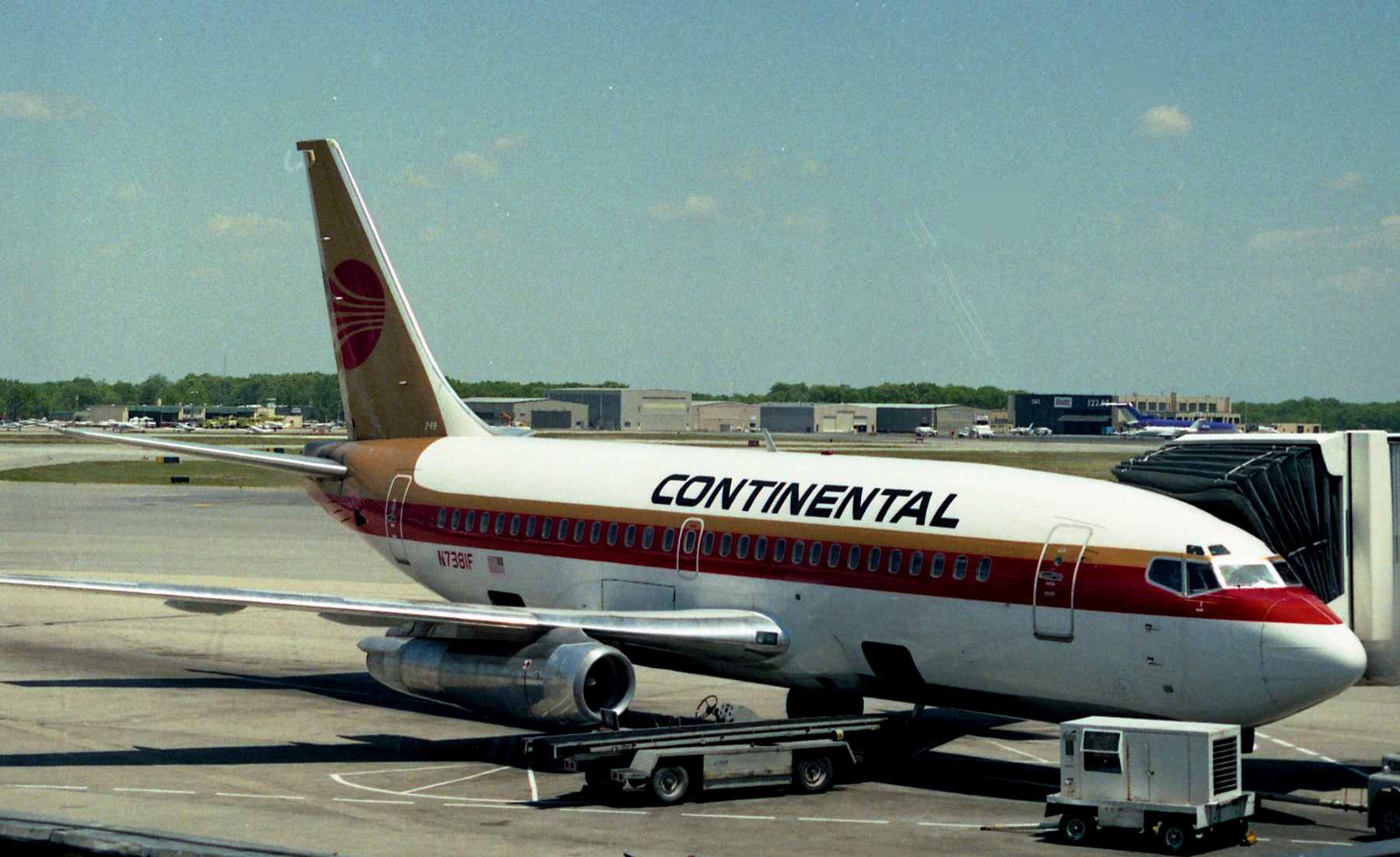

Continental Airlines B737-200 (similar to one I flew on in November ’87, logo included), Providence, RI, 1990, January 2, 2009. (Phillip Capper via Wikipedia). Releases to public domain via cc-Attribution 2.0 Generic license.

This week twenty-five years ago, the pressures of college, “homesickness” and Crush #2 had screwed up the inner movie and music soundtrack (think Enigma’s “I Love You, I’ll Kill You” [1993]) that had been my coping mechanism for the previous half decade. I was in the midst of a psychological breakthrough, but it felt more like a combination of depression and a nervous breakdown at the time. Such were my times as an emotionally tortured seventeen-year-old who should’ve left Mount Vernon a full year earlier (see my post “A One-Year Sooner ‘What If’” from June ’11).

The downward spiral of my first semester at the University of Pittsburgh started with a burglary the third week in October ’87. While I took a bathroom break at my computer lab job in the Cathedral of Learning, someone stole my Calculus textbook. I felt violated, especially since it happened at work. It made me more distrustful of the people I worked with and of Pitt students in general. Of course, I didn’t really even trust myself at the time, and the loss of my textbook didn’t make it any easier. I was out of money to boot, which meant that I wouldn’t be able to replace this loss.

Excerpts of Prince’s Sign ‘O’ the Times (1987) liner notes, November 19, 2012. (Donald Earl Collins). Qualifies as fair use under US Copyright laws – low resolution illustration of text-like writing style for this post.

Crush #2’s response to my letter about her emasculating comments back in the summer made matters worse (see my posts “Origins of the Obsession” from June ’12 and “A Dream That Had to Die” from July ’07). Her letter, dated November 2, was in purple ink, with heart-shapes and circles for dots over “i”s. Reading her letter was like reading the liner notes off of a Prince album in those days. Like the song “I Would Die 4 U,” Crush # 2 had decided to limit her English skills to the ’80s equivalent of text messaging, a real revolution on both their parts. She started, “Thank U 4 your card 2day,” an insult to my intelligence. She wrote indirectly that she did like me at one point in time, but added “but we’re in college now . . . around lots of nu people” She admitted that I was her and her sister’s topic of conversation back in July, but “I needed 2 get over that.” She hinted that I shouldn’t write her again, and that was it. No apologies, no attempt to understand how I felt.

16-ounce “Pounder” can of Busch Beer, November 19, 2012. (http://price2watch.com)

After Crush #2’s wonderful, text-message-like response, I all but stopped going to class. I missed eighteen of twenty-four classes at one stretch between November 3 and Thanksgiving, only showing up for exams or if my black-cloud mood had let up long enough to allow me to function. The weekend before Thanksgiving, I allowed my dorm mates to cheer me up by getting a couple of cases of Busch Beer. These were the pounder type, sixteen-ounce cans of Busch beer. I downed four cans in fifteen minutes, and was drunk within a half hour. I started throwing around the word “bitch” as if it was part of a drinking game. I spent the next day vomiting and trying to regain my balance.

I barely recovered from my bender in time to go home for Thanksgiving that Monday, November 23. I still managed a few firsts, though. That trip back home was my first ever on an airplane. I took a Continental flight from the old and decrepit blue hangar that was Pittsburgh Airport into Newark, with the late Craig “Ironhead” Hayward on the flight sitting in first-class. He was a senior and the starting running back for the Pitt Panthers. Besides being a great player, he was a bit of a party animal and had gotten into fights with Pitt Police. I remember the student newspaper having him in their police blotter, allegedly body-slamming a patron at the O while being arrested for a being a disorderly drunk.

It was the first series of events in which I couldn’t use music, sports or my imagination to escape (see my post “Coping In The Boy @ The Window World” from October ’12). I hadn’t realized that I was attempting to escape myself, not just my immediate past or Mount Vernon. I spent those last weeks of ’87 as if draped in a fog, unable to face the world. I fully understood, though, that I couldn’t drink my way out of my problems. I was obsessed with a woman whom felt sorry for me, had friends at Pitt who weren’t really my friends, and was homesick for 616, a place that was never really mine to call home in the first place.

Male duck swimming solo, Chicago River, Chicago, IL, June 16, 2002. (Donald Earl Collins)

Most of all, after five years of hiding my emotions and opinions, I no longer knew how to be me. Luckily, thinking about Crush #2 as a “triflin’ ass” was, for better and worse, a good start toward recovery for me. And, for that moment in my life, I needed that anger to be a better student, to be a better me. Because as far as I was concerned, I was out in Pittsburgh, alone, facing down my past and present all at once.

Jimme To The Rescue

17 Saturday Nov 2012

Posted by decollins1969 in 1, Boy @ The Window, culture, Eclectic, Hebrew-Israelite, Jimme, Mount Vernon New York, My Father, New York City, Pop Culture, race, Religion, Work, Youth

≈ Leave a comment

Tags

241st Street Subway, 616, 616 East Lincoln Avenue, Abyss, Desperation, Family, Fatherhood, Felix Baumgartner, Financial Rescue, Fiscal Cliff, Manned Balloon Jump, Money, Red Bull Stratos, Relationships, Rescue, Welfare Poverty


United States Coast Guard rescue diver jumps from a helicopter (demonstration), 2004 Seafair, Seattle, WA, June 18, 2008. (Brandon Weeks via Wikipedia). Released to public domain via cc-Attribution 3.0 Unported license.

Thirty years ago this week was the beginning of my second relationship with my father Jimme, brought on by the desperate need for money and material support as the Hebrew-Israelite world of 616 was swirling down the proverbial toilet. Our “fiscal cliff” was more like Felix Baumgartner jumping off a balloon into Jupiter’s atmosphere without a parachute (see my posts “The Quest For Work, Past and Present” from August ’12 and “Pregnant Pauses” from earlier this month). This was the determined teenager me, one with a smart mouth and a firm adult sense of pragmatism, trumping any shame or embarrassment I would’ve felt even four months earlier. As I’ve written in Boy @ The Window:

“It was time to do something desperate. We needed money just to eat bread and water, and the water was free. We hadn’t done a full clothes wash since the beginning of September. Me and Darren both needed a new pair of sneakers about every other month. The ones I had were forming holes on the sides and bottoms.

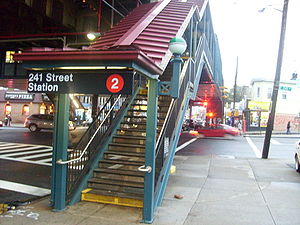
So I turned to Jimme. Mom was always complaining that he didn’t pay child support anyway. And I knew where he lived now. It was 153 South Tenth, not far from the East 241st Street station in the Bronx, the end of the line on the Subway’s 2 and 5 lines running from Brooklyn and Manhattan. There were a bunch of watering holes nearby.

Felix Baumgartner of Austria as he jumps out of the capsule during final manned flight, October 14, 2012. (AP Photo via Red Bull Stratos)

I’d actually started going over to Jimme’s in August, a consequence of my first long walks through Mount Vernon and Southern Westchester County. But this was different. I was going to Jimme’s for money and sneakers. I decided to wait for him at the 241st Street stop after school one Friday at the end of October, figuring I’d catch him just before he started his weekly drinking ritual.

Unbelievably, my first idea for tracking Jimme down worked! I caught Jimme coming down the rickety Subway steps, completely shocked by seeing me there.

“Bo’, whacha doin’ here?”

“We need money, and I need some sneakers.”

“Why don’ you aks Maurice for them?”

“’Cause you’re my father and you haven’t been paying any child support. If you had, I wouldn’t be here!”

With that, Jimme laughed and shook his head. Of course he was also mad. I was in the way of him gettin’ his “pep-up,” virtually anything with alcohol in it.

“Bo’, what I’m gonna do wit’ you? You got me,” he said. I negotiated fifty dollars from him. He promised to get me some sneaks.

The following Tuesday, I went over to his place. Not only did I get my sneakers, a pair of size eleven-and-a-half Nike walking sneaks. I got a brown Members Only jacket to boot. I could tell, though, that they once belonged to someone else. Still a bit hung over, Jimme said, “Man, lo’ at all dese suits! You gotta lo’ like a big shot when you work in the city.” The suits were too big and a bit mismatched. I was just relieved that Jimme cared enough about my feet to get me the right size.

241st Street-Wakefield Station entrance, Bronx, NY, January 18, 2010. (DanTD via Wikipedia). Released to public domain via cc-Attribution 3.0 Unported,

Darren would usually come with me on what gradually became our weekly hike from the land of 616 to the near Bronx and the city. Jimme being Jimme, he would grab me by one hand while giving me the money and put his left arm around my shoulder, whispering in my right ear, “Don’ give Darren nothin’,” or “You keep fitty for yo’self an’ give Darren ten.” “You a Collins, don’ be sharin’ nothin’ wit’ them Gills,” he’d often say.

I almost always broke with Jimme around this. Yes, Darren often was a selfish goofball and my 616 family was just a step or two above total chaos. Yet I couldn’t go to eat at a good pizza shop with Jimme and Darren and let them subsist on bread, water and milk. I couldn’t watch them run around in graying underwear and just wash my own clothes. Not as hard as Mom worked, not as long as I lived there. I wanted to help as much as I could and still take care of my needs.

Jimme knew I was helping out at 616 too. So he would say things like “Don’ be givin’ your motha my money. Those ain’t my kids. Dis jus’ for you and Darren.” Or “Don’ give them muddafuccas nothin’,” which would start a brief argument between me and him about the needs of innocent children. Even with that and his drunken ups and downs, Jimme helped save the day for us and me as we plunged into the watery abyss of welfare poverty.”

Post-Mortem Post

12 Monday Nov 2012

Posted by decollins1969 in 1, Boy @ The Window, Christianity, culture, Eclectic, Hebrew-Israelite, Mount Vernon New York, music, Pop Culture, race, Religion, Youth

≈ Leave a comment

Tags

616, 616 East Lincoln Avenue, Child Abuse, Death, Declining Health, Domestic Violence, Eulogy, Ex-stepfather, Fatherhood, Forgiveness, Judah ben Israel, Kidney Failure, Maurice Eugene Washington, Maurice Washington, Mourning, The Wizard of Oz (1939), Type 2 Diabetes


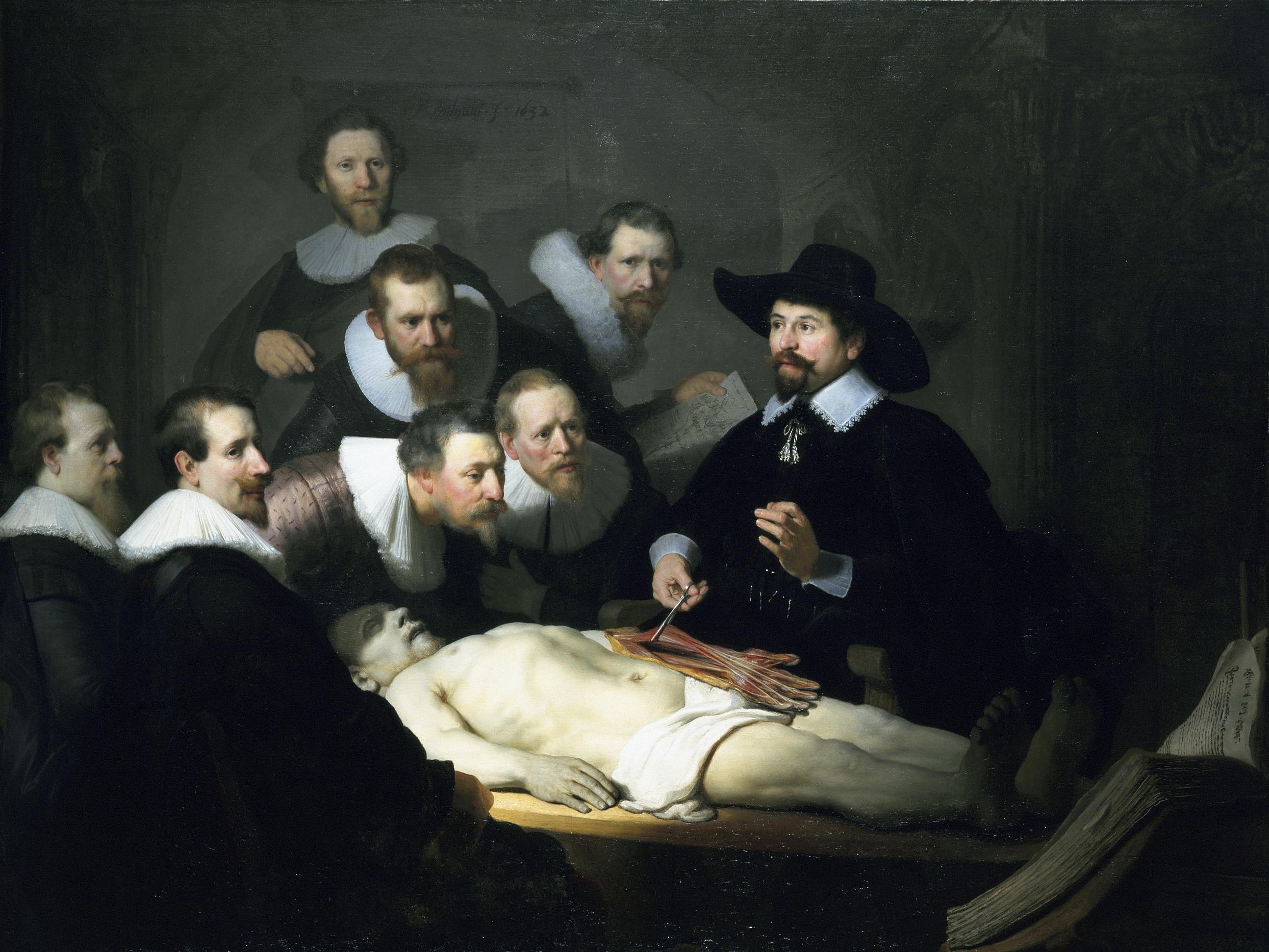
The Anatomy Lesson of Dr. Nicolaes Tulp (1632) by Rembrandt, November 12, 2012. In public domain.

My idiot ex-stepfather died over the weekend, sometime Saturday evening, November 10. He was three months past his sixty-second birthday. I learned of his death early Sunday morning, as two of my younger siblings (technically half-brothers, I suppose) had posted on Facebook their grief over their father’s death overnight. As I read their posts, I realized that I myself felt no particular emotion over the final physical demise of Maurice Eugene Washington.

For the longest time while I was in my teens and early twenties, the song “Ding Dong! The Witch Is Dead” from The Wizard of Oz (1939) would come to mind when I thought about how I’d feel if the man collapsed from his own obesity and died. As far as I was concerned, my ex-stepfather could die a horrible death every day for eternity, and it still wouldn’t have been enough. A steamroller crushing him one day, a stabbing the next, getting smashed into by a semi-tractor trailer doing eighty miles an hour the day after that. Thoughts like that in the ’80s and early ’90s were a regular part of my mindset on Maurice Washington, not to mention a part of my dreams once every six weeks.

But, as I learned to forgive him — for my sake, certainly not for his — I found myself still frequently angry, but also feeling sorry for such a lost person. Whether in exacting abuse on me or my mother, eating himself into kidney failure and Type 2 diabetes, having affairs and producing kids out of those affairs, or in his bouncing back and forth between a Christian and a Hebrew-Israelite life, he was in search of love and stability. None of which, though, he could find from within. A life with only kids from at least three women and damaged lives to show for it. Not to mention a two-decades-long physical decline, in which the man lost both of his legs.

The Cowardly Lion from The Wizard of Oz (1939), November 12, 2012. (http://time.com).

They say living your life to the fullest is the best revenge for survivors of abuse like myself. I suppose that’s true. But what they don’t say is that eight years’ of living in fear for yourself and your family leaves scars, physical, emotional, psychological, even spiritual. I’ve spent nearly a quarter-century recovering from those years, making sure to make myself a better person, and hoping that I don’t pass my scars on to my nine-year-old son in the process.

Two of my more popular posts over the past year have been “Ex-Stepfather’s Balance Sheet” (August ’10) and “Whipped and Beaten” (July ’12). I don’t think that this is random. There are millions of us who’ve grown up with physical, sexual and psychological abuse, and most of us have no one to talk to about these hellish experiences. And nearly as often as not, there are folks who will say, “It wasn’t really that bad, right?” Or, in the case of the very first comment I received on my blog back in July ’07, “you should be grateful, he was just trying to make you a man. Obviously he didn’t do enough.”

So, though I’m not gleeful that Maurice Washington is dead, I’m not exactly in mourning either. I had to kill him as an abuser in my heart and mind a long time ago in order to move on. I feel for my younger siblings, but they didn’t really know their father either. I did, mostly for the worse. May he — and a part of me — now rest in peace.

Pregnant Pauses

02 Friday Nov 2012

Posted by decollins1969 in 1, Boy @ The Window, Christianity, culture, Eclectic, Hebrew-Israelite, Marriage, Mount Vernon New York, Pop Culture, Religion, Youth

≈ 1 Comment

Tags

616, 616 East Lincoln Avenue, Abortion, Angelia N. Levy, Boy @ The Window, Choice, decisions, Eri, Family, Fatherhood, Intervention, Maurice Eugene Washington, Mom, Motherhood, Parenthood, Pregnancy, Pro-Choice, Pro-Life, Reproductive Rights, Sarai, Silver Spring, Women's Rights


Ultrasound of fetus, 2nd or 3rd Trimester, November 1, 2012. (http://brmh.org).

I agree with President Barack Obama and with so many leading women. Men — especially men in leadership positions — should just shut up when it comes to women’s reproductive rights. Still, my life has given me a unique perspective on a woman’s right to choose, if only because I’ve had little choice as a child and a husband to be involved. I can only say that choice isn’t easy, even for pro-choice males. But I can also say that I knew more about choice at twelve than most men would ever care to know, and more about bringing new life into the world as a result.

The two examples of “the decision” that stand out most for me are twenty Novembers apart, in ’82 and ’02.

A couple of weeks before Thanksgiving ’82, I noticed something about my mother. At a time when we all looked starved, my mother looked round. Her stomach and cheeks were telltale signs. So I asked her, my tweener voice cracking all the while.

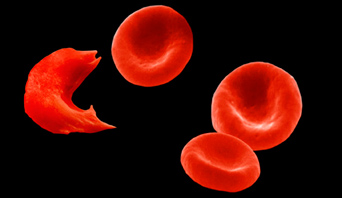
Sickled and normal red blood cells, November 1, 2012. (original source unknown).

“Mom, are you pregnant?!?”

“Yeah, Donald, I’m pregnant,” she sighed.

“What! You got to be kidding! You mean you’re still having sex with him?”

“Watch ya mouth, boy!”

“Mom, what are we going to do? You can’t have a baby, not now, not with all these mouths to feed!”

“Donald, what I’m supposed to do?”

“You need to get an abortion, that’s what!”

“I don’t believe in abortion. It’s against God’s will.”

“Well, we can’t feed the kids that are here now, so how can you feed it? Get an abortion Mom, before it’s too late!”

Before my mother could say anything else, I stormed out for yet another store errand for milk, diapers, and all the things I couldn’t eat. I wanted to cut Maurice’s balls off and shove them down his throat. I wanted to shake Mom until her eyes rolled back in her head. Most of all, I wanted to get her to an abortion clinic yesterday (see my post “The Quest For Work, Past and Present” from August ’12).

That “it” turned out to be my sister Sarai, my late sister, born nearly four months after I came out as a pro-choice feminist and a stress-out Hebrew-Israelite teenager. She lived for twenty-seven years, five months and two days with sickle-cell anemia, without ever knowing I once preferred her not to be born (see my post “My Sister Sarai (Partial Repost)” from July ’10).

Over the next two decades, I’d become so fed up with kids and family, 616 and Mount Vernon and so many things in my life that I once thought that I’d never get married or become a father. The people in my life growing up in Mount Vernon — like my ex-stepfather and the young folks in the neighborhood — refused the responsibility of fatherhood (and in a few cases, motherhood). The idea that there would ever be a child of mine running around without me being in their life made me determined to limit my casual relationships and ensured that I would always have protected sex.

Even after getting married in ’00, I still wasn’t sure if I really wanted a child. Out of any seven-day period, I would’ve been happy to be a dad for four days, and miserable for the other three. I wanted to make sure my wife and me could afford parenthood, that we had the emotional and psychological capacity to take care of any child we brought into this world.

By the middle of ’02, though, it was obvious that my wife wanted to have a child, a son. Coming off of a family intervention, in which my then seventeen-year-old brother Eri had made my mother a grandmother, I was even less excited than I otherwise would’ve been (see my post “Dear Mama (More Like, ‘Dear Mom’)” from October ’09). Still, I loved my wife, and I loved myself enough to think that if I liked the idea of a kid four out of every seven days, it was worth a try.

We didn’t try very long. By Thanksgiving Day ’02, I picked up on my wife’s change of emotions before she did. I had asked her to watch over heavy cream that I was warming up to make a chocolate sauce. The cream wasn’t supposed to boil. It did anyway, as my wife wasn’t paying full attention. Instead of being argumentative with me per usual about my pointing out her lack of attention to detail, she started crying, as if it was the end of the Law & Order franchise. I was startled, and said, “Honey, I think you’re pregnant.” She laughed at first, but as we would eventually find out, I was correct.

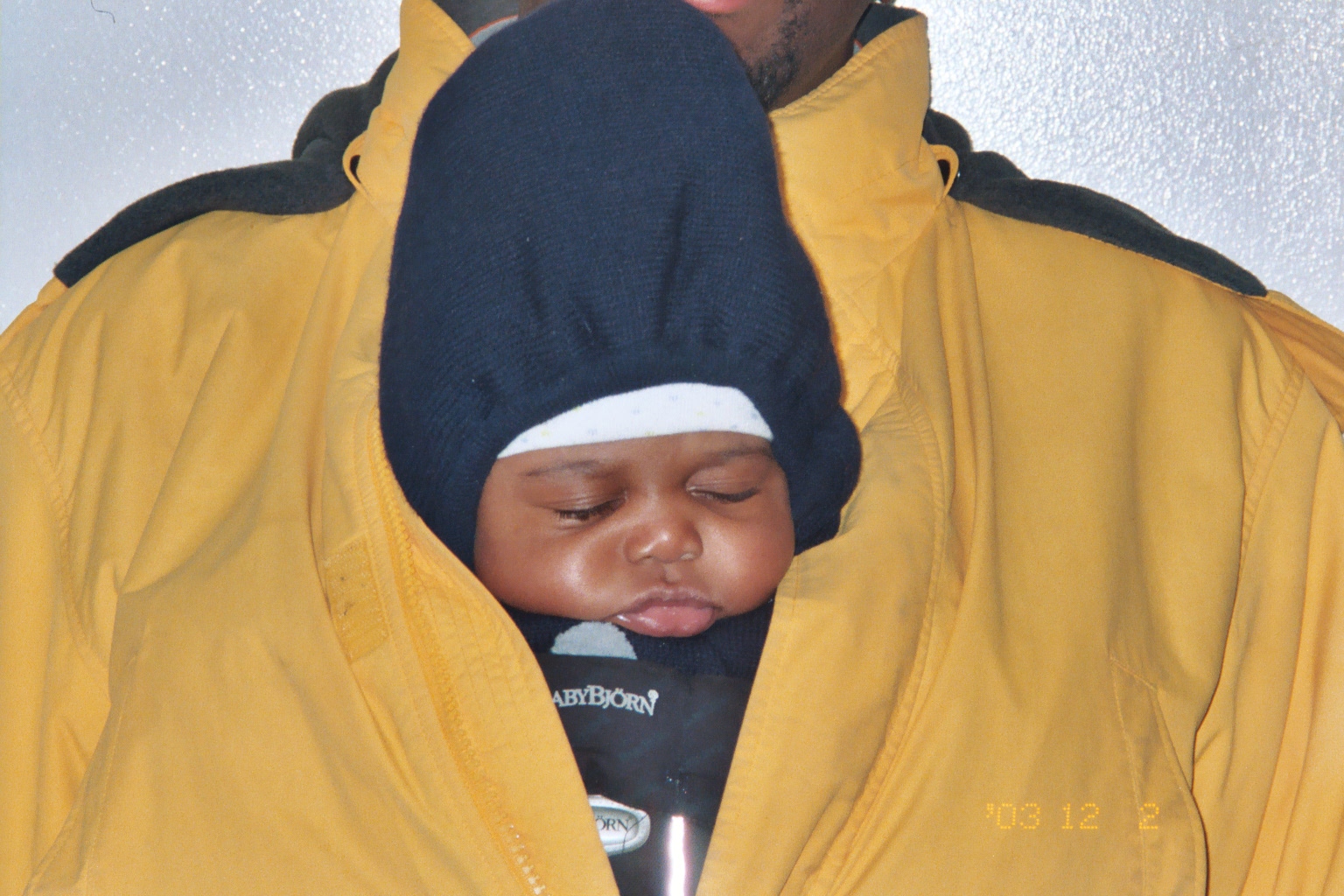
It was one of the happiest moments of my life! I had made my wife immeasurably happy, and I found myself wanting something, perhaps for the first time. To be a great father, to live long enough, to be healthy enough, to be productive enough to be the father that I never had growing up.

Noah in Baby Bjorn/my parka, Silver Spring, MD, December 3, 2003 (Angelia N. Levy).

If it had turned out that my wife had not wanted to be a mother, and she had become pregnant, and it turned out that she wanted an abortion, I would’ve fully supported her. Not just because I wanted her to be happy, and not just because I’m more firmly pro-choice now than ever. I’ve seen my mother and too many other mothers who’ve made the wrong choices for themselves and their lives.

Life can be long and miserable when making bad decisions, especially when it comes to bringing another life into this world. That anyone would think it a good idea to limit what is already one of the most difficult decisions women and families have to make is anti-Christian and immoral, not to mention just plain stupid.

The Life of Mary Louise

28 Sunday Oct 2012

Posted by decollins1969 in 1, Boy @ The Window, Christianity, culture, Eclectic, Hebrew-Israelite, Marriage, Mount Vernon New York, New York City, Politics, race, Religion, Work, Youth

≈ 2 Comments

Tags

616, 616 East Lincoln Avenue, Bradley Arkansas, Depression, Faith, Gill Family, Happiness, Homelessness, Jim Crow, Joblessness, Mary Louise Gill, Mount Vernon Hospital, Resilience, Self-Awareness, Self-Loathing, Self-Reflection, Sixty-Fifth Birthday, Underemployment, unemployment, Welfare


My Mom, Thanksgiving 2006, Mount Vernon, NY. (Donald Earl Collins).

Today, my mother turns sixty-five years old. My mom has now officially hit elderly status, which reads and sounds so weird, considering that she’s only twenty-two years and two months older than me. That Mom’s here at all at sixty-five is really a not-so-minor miracle, considering how hard her life’s been from day one in ’47.

This was what I wrote about my mother’s first thirty-five and a half years of her life, courtesy of Boy @ The Window:

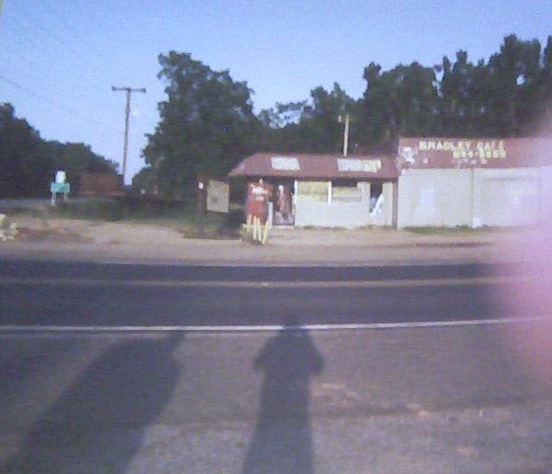
Bradley, Arkansas main road (Route 29) with me and my Uncle Charles in the shadows, June 2, 2001. (Donald Earl Collins).

Mom came from a long line of folk whose lives were hard and impossible ones, where they  couldn’t take handouts even if they wanted to. She was born to Samuel and Beulah Gill in October ’47, their first of twelve children and her father’s second overall child of thirteen. The Gills of Bradley, Arkansas were tenant farmers who lived in the Red River valley in the southwest corner of the state and five miles north of the Arkansas-Louisiana border. The town was a one-flashing- yellow-light-four-corner one. Just over five hundred people lived there, with farms, shotgun houses, and ranch-style homes neatly segregated between a few affluent Whites, lots of po’ White trash and the abundantly poor Black side of town. The conditions she grew up in included corrugated tin roofs and outhouses to boot.

Being born into this family in the late-’40s meant that Mom’s life would be a difficult and emotionally tortured one. She started doing household chores when she was five, helping with her siblings when she was six, and graduated to hoeing and picking cotton by the time she was eight. There wasn’t the time, energy, and experience in the household for Mom to receive any affection or nurturing.

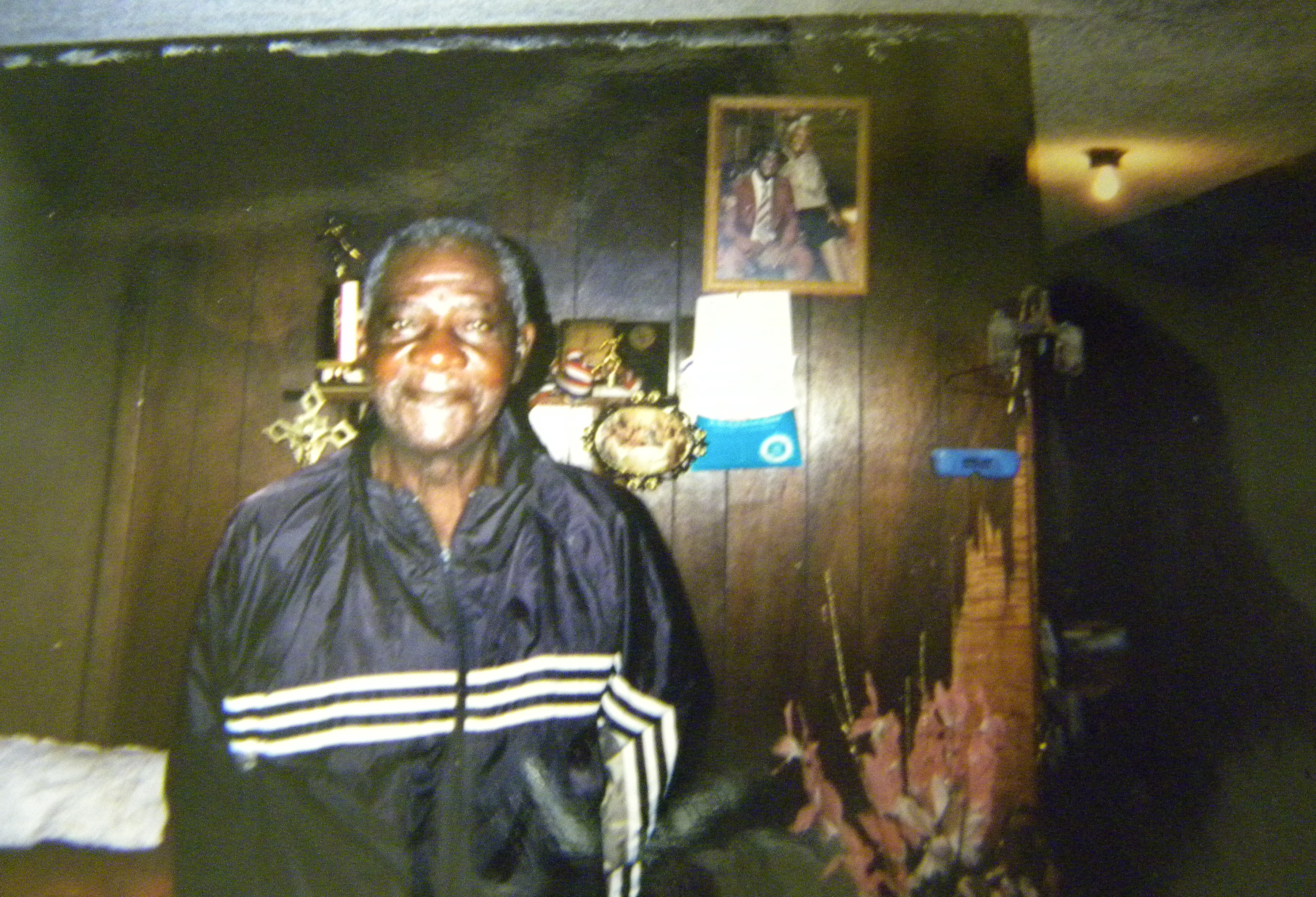
My maternal grandfather Sam Gill, Sr. (82 at the time, 93 now), Bradley, AR, June 2, 2001. (Donald Earl Collins).

With all that and her mother’s constant neglect and occasional abuse — she was once beat with the back of a hair brush for not getting ready for church on time — it’s amazing that Mom wanted to get married or have kids. Yet I knew that what little nurturing and affection Mom received came from her great-grandmother, her aunt, and high school basketball. All served that role as Mom grew into an attractive six-foot woman. Her great-grandmother, half-Choctaw and half-Irish and originally from Indian Territory (now Oklahoma), taught Mom to see herself as beautiful despite her dark complexion. Her Texarkana, Texas aunt taught Mom her basic adult survival skills. And high school basketball took her as a senior to the segregated state quarterfinals in ’65, an amazing feat to say the least.

Still, it was a hard life, one that Mom had vowed she’d never live again. That’s why she moved to New York in the first place. I’d heard these stories for years, and like her, I believed that our lives would get better through sheer hard work. Welfare was never to be something we would live with.

After nearly seventeen years in the New York area, never had all but finally arrived. She had spent my whole life up to that point telling us not to take “handouts,” that she’d “never be on welfare.”

By her thirty-fifth birthday at the end of October ’82, my mother no longer had full-time work at Mount Vernon Hospital, with her hours cut and four mouths to feed. That weekend, all we had left to eat in our two-refrigerator kitchen was a box of Duncan Hines’ Devil’s Food cake mix, Pillsbury All-Purpose Flour, and some sugar. That Saturday and Sunday, we truly ate like Torah-era Jews. Mom made us pancakes out of the flour, without baking powder, eggs or milk, and cooked down some sugar in water to make us a crude
glucose syrup.

Between an abusive Maurice for a husband, the loss of an already insufficient income after not joining her union in a strike, and two toddler-age kids (and another one on the way), the period between May ’82 and April ’83 was probably one of the lowest points in her life.

As I’ve realized over the years, though, Mom’s life was always hard. It was simply a matter of degrees, not of distinction or difference. The mistake of marrying Maurice, becoming a scab (see my post “The Quest For Work, Past and Present” from August ’12) and leaving my older brother Darren at The Clearview School for fourteen years has had an impact on all of our lives to this day. Just as much as fourteen years on welfare, the three-year-long loss of our home at 616 in the ’90s (see post “The Fire This Time” from April ’08 for more) and my late sister Sarai’s twenty-seven year-long struggle with sickle-cell anemia. “Wow” is only the beginning of a description of calamity that has been my mother’s life, about as long as the first hundred digits after 3.14.

What’s made the difference? My mother’s belief in God or Jesus? Her general sense of resilience? Her uncanny ability to deny reality and frequent lack of self-reflection? But I’d say that Mom has learned to expect little from this world and, unfortunately, even less for herself. She often expected the worst, and then being surprised at how not-so-bad “the worst”  was, could continue to soldier on.

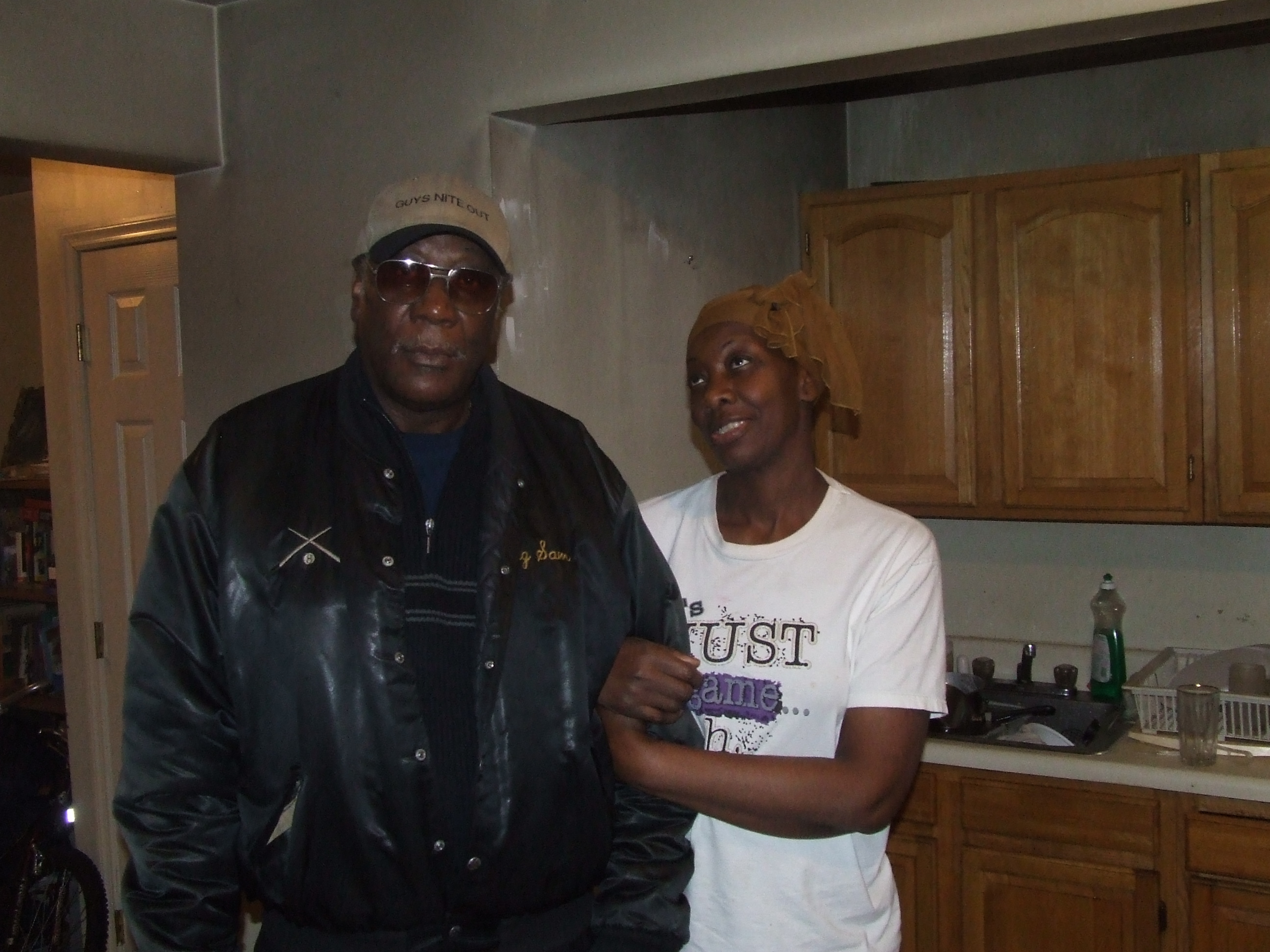
My Mom and my Uncle Sam Gill, Jr., Mount Vernon, NY, November 23, 2006. (Donald Earl Collins).

So I wish my mother a happy sixty-fifth birthday. One in which she can just spend the day at her church in New Rochelle, and then just rest and be. Only one of my siblings lives at 616 these days, and apparently spends more time out and about than he does at home. So, I hope my mother can relax, knowing that she has endured all the evil that this world could throw at her, and despite her view of life, has come out on the other side, badly damaged, but still here.

My Take On K-12 & Higher Education & Corporatism

08 Monday Oct 2012

Posted by decollins1969 in 1, Academia, Boy @ The Window, culture, Eclectic, Mount Vernon High School, Mount Vernon New York, Movies, New York City, Politics, Pop Culture, race, Youth

≈ Leave a comment

Tags

Adult Learners, Bill & Melinda Gates Foundation, Corporatized Education Reform, Education, For-Profit Colleges, Future of American Education, High-Stakes Testing, Higher Education, Higher Education Access and Success, K-12 Education, K-12 Education Reform, KIPP, Knowledge Is Power Program, Low-Income Students, Poverty, Privatization, Self-Discovery, Students of Color, Teach for America, Technocrats, The New Teacher Project, University of Phoenix


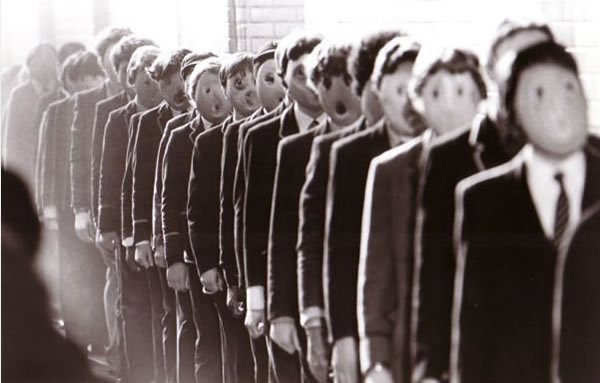
Pink Floyd–The Wall (1982), February 16, 2012. (http://free-education.info). Qualifies as fair use under US Copyright laws – low res and related to blog subject.

We often treat K-12 education and higher education as if they have nothing in common, as if they possess completely separate values and have developed in complete isolation from each other. But in this age where the American technocratic and the plutocratic elites want to privatize everything, there are clear connections behind and between emerging trends in corporatized K-12 education reform and with the rise of for-profit colleges and universities. These trends and connections aren’t good ones for the mass of American students, particularly for those who are poor and of color.

It’s pretty simply really. Both public education and postsecondary education have been under attack from profiteers and the politicians who do their bidding for at least a quarter century. In particular, the issues have been how to improve public schools so that poor Black and Latino kids can graduate high school on the one hand, and how to modify higher education so that the adult version of these kids can obtain a serviceable certificate or degree on the other. With these changes comes the theme of a watered-down education for the poorest twenty-five percent of Americans. It’s the new pathway to a sub-living wage job and tens of thousand of dollars of student loan debt.

A better way of presenting this reality, though, would be to overlay my own educational journey as a poor African American growing up in Mount Vernon, New York onto this corporatized educational insanity. I would’ve gone to public school to be sure. But instead of the SRA exam test that I took every year between third and sixth grade (not a high-stakes test evaluating teaching effectiveness, by the way), I would’ve seen some sort of comprehensive reading/mathematics test from at least second grade on.

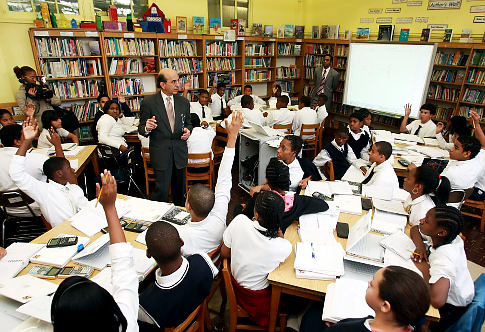
Overcrowded classroom (with DOE Chancellor Joel Klein) with two teachers, PS 189, Brooklyn, NY, September 16, 2009. (Craig Warga/NY Daily News). Qualifies as fair use – blog subject with no comparable picture.

Given where I grew up, instead of having a group of veteran Black teachers for most of elementary schools, I would’ve ended up with some teachers from Teach for America or The New Teacher Project. For the technocrats surely would’ve held my teachers responsible for the sixty-percent poverty rate at my elementary schools, um, I mean, the low test scores. Teachers from these alternate certification programs tend to be well-meaning, perhaps even extremely smart, but not passionate or fully trained teachers. Certainly not like the highly dedicated African American teachers I had at Nathan Hale (now Cecil Cooper) and William H. Holmes Elementary, who held us all to high enough standards to prepare me for a gifted-talented magnet school program known as Humanities.

Of course, given the resources devoted to high-stakes testing, and the constant practice tests, there would’ve been the virtual elimination of music, art, PE, and creative writing. With that shift, there wouldn’t have been a Humanities Program, just a few classes for the best and brightest students. Instead, the option of a private charter school or a KIPP program may have been a possibility. With an average cost of $10,000, however, I doubt a $1,000 or $2,500 voucher would’ve made it possible for me to attend the one, and with KIPP schools being all about discipline, I would’ve thrived there about as much as fish thrive in the desert.

I would’ve moved on to middle school and high school, received algebra in ninth or tenth grade (if at all), struggled to enhance my reading, writing, science, math and other skills, and otherwise would’ve goofed my way to a high school diploma. Would I have taken an AP class, or had a Meltzer as a history teacher, or taken the PSAT or SAT? I’m not sure, but highly unlikely. Still, I would’ve graded with a diploma, with proof that my education was the equivalent of an average ninth or tenth grader’s, confirmed by a decade of standardized state tests!

Then, after three to five years of struggling to find full-time work above minimum wage, or after several years in the military, I’d make the choice between  a University of Phoenix, Kaplan University, DeVry University or some other for-profit college. I’d discover quite quickly that I was wholly unprepared for even the most watered-down online college curriculum, taking courses in a four, six or eight-week format (instead of the typical ten or sixteen-week semester format).

Romanian Army POWs from Battle of Stalingrad, February 3, 1943. (http://ww2incolor.com).

There would’ve been no agonizing choice between Columbia University and the University of Pittsburgh, no switch of majors from computer science to history, no big moment in my development as a person. All because I wouldn’t have had the kind of earth-shattering experience that attending college full-time and in-person often can be.

Somehow, if I’d somehow survived the first semester or first year, I might’ve eventually graduated, albeit with a degree that will be of limited use in obtaining a good living wage. And with $70,000 in student loan debt and a degree from a disreputable for-profit college, forget about me going to graduate school to be a professor.

That’s what this K-16 system will lead to. Money flowing into the hands of illegitimate technocrats, testing companies, charter schools and for-profit institutions. Money and influence flowing from entities like the Bill & Melinda Gates Foundation and Teach for America. A permanent, if slightly better educated, low-wage underclass. That’s the now and future construction of K-16 education if we allow these trends to continue.

Coping in the Boy @ The Window World

06 Saturday Oct 2012

Posted by decollins1969 in 1, Boy @ The Window, Christianity, culture, earth, wind & fire, Eclectic, eclectic music, Marriage, Mount Vernon High School, Mount Vernon New York, music, Politics, Pop Culture, race, Religion, Sports, Youth

≈ 1 Comment

Tags

"Owner Of A Lonely Heart", Battlestar Galactica, Battlestar Galactica (2004 series), Coping Strategies, Fantasy, Football, Humanities, Imagination, Inner Vision, Inner World, New York Giants, New York Knicks, New York Mets, Psychology, Self-Discovery, Touré, Who's Afraid of Post-Blackness (2011), Yes


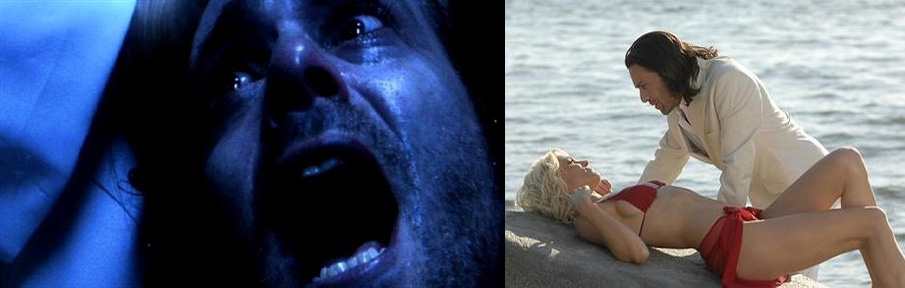
Gaius Baltar tortured/in imagination (merged pics), Battlestar Galactica, October 6, 2012. Qualifies as fair use under US Copyright laws – low res (1st picture) and merged rendering.

“A wide receiver tiptoeing the sideline of a football field after making an acrobatic catch, barely keeping his left foot in-bounds by tapping his big toe in the two inches of space between the grass and the thick white line in front of him. A note in a song that is so inspiring, so well-balanced between rhythm and harmony, so well sung that the hairs on my neck stand up and my spirit feels like soaring.” This is what I wrote in the first paragraph of the preface (which I need to revise yet again, by the way) to my Boy @ The Window manuscript.

In context, I was writing about the infinitesimal decisions and actions that could’ve added up to success or failure for me growing up in those dismal days and years. But I could’ve just as easily been writing about what imaginations and fantasies went through my head growing up to make my inner world more powerful than anything I saw and experienced in the real world. Much of Boy @ The Window is about how I coped, good, bad and ugly (see my posts “Peanuts Land” from April ’12 and “Mr. Mister’s ‘Kyrie’” from March ’11 for more).

How I coped through imagination, inner projection and fantasy changed during the worst of my preteen and post-puberty years. I went from imagining and acting out an entire city, nation-state and culture in my room to the need for an internal world that couldn’t be taken apart by abuse, poverty and isolation. Ultimately it came for me in the form of the everyday things I either already liked or was on the cusp of liking. I already enjoyed a wide variety of music by the fall of ’82. Once I became a sports fan and occasional sports participant, those images and achievements became part of my inner movie and soundtrack.

It became a partnership that I eventually learned to conjure up at will, that became part of my residual sleeping state, that made the madness of 616, MVHS and Mount Vernon, New York dissolve into background noise.

Santonio Holmes’ Super Bowl XLIII game-winning catch, Tampa, FL, February 1, 2009. (http://bleacherreport.com).

It meant, though, that watching a Mets, Giants or Knicks game or listening to Earth, Wind & Fire wasn’t a simple casual experience. It involved rooting for the underdog, which in turn meant rooting for myself. It included the synching of home runs, touchdown passes and three-pointers to guitar riffs, crescendos and other highlights in a particular song or series of songs. It meant that my imagination became itself a fully dedicated line for coping with stress, checking anger, solving problems, and seeing my world the way I chose to see it, rather than the way my world actually was.

Take one of my favorite songs as a teenager, Yes’ “Owner Of A Lonely Heart” (1983). It wasn’t just the fact that I actually felt lonely and could relate to the song. When I heard the song, I could see myself running a screen play in football, following a group of well set-up blockers all the way to the end zone for a touchdown. I could relate emotionally, because the song was about me as an underdog, because of my unrequited love for Crush #1, because I now knew what a screen pass was. It made existential philosophy easier for me to understand my senior year of high school in my AP English and Philosophy classes.

“Owner Of A Lonely Heart” also reminded me to never “concede my free will,” even when my now ex-stepfather Maurice’s fists met my face and teeth and ribs at fifteen and sixteen. Like a scene from the ’00s Battlestar Galactica involving Gaius Baltar or Caprica Six, I often projected a view of the world I wanted over whatever was going on in reality. Going the mile or so between 616 and the C-Town in Pelham could either be a chance for me to catch a long touchdown pass or for me to figure out to which colleges I should apply.

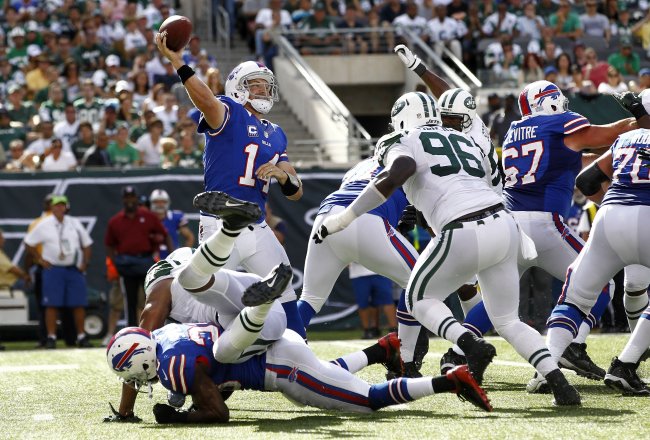
Ryan Fitzpatrick of Buffalo Bills v. NY Jets, in rare protection against blitz while in pocket, October 6, 2012. (http://bleacherreport.com).

Sometimes, if I allowed myself to slip deeply enough, like, in the moments before an exam, I could use a buildup point in the song to bring in an extra blocking tight end to run a max-protect play. I’d snap the ball, send three receivers on one side of the defense, and wait just long enough for one to cross before delivering a perfect pass that allowed my receiver to split the secondary for a long score. All while taking a hit in my right ribs and being knocked down to the turf, just a quarter-second after my index finger’s come off the ball, giving it a smoother spiral rotation while in flight. And so many times, that re-visioning of my world made it so that my natural ability to remember everything and discern many things resulted in very good grades, solid performances, and a balancing act that made life at 616 and MVHS just bearable enough.

I was reminded of how often my mind went down this road by Touré’s Who’s Afraid of Post-Blackness (which I blogged about earlier this week), particularly his chapter on imagination and art, “Keep It Real Is a Prison.” Except that my mind does still go there sometimes. Usually as I’m about to give a speech, or while running a five-miler, drilling a three or driving. Or in writing something for publication, like Boy @ The Window.

← Older posts
Newer posts →

Boy @ The Window: A Memoir

Boy @ The Window: A Memoir

Places to Buy/Download Boy @ The Window

There's a few ways in which you can read excerpts of, borrow and/or purchase and download Boy @ The Window. There's the trade paperback edition of Boy @ The Window, available for purchase via Amazon.com at http://www.amazon.com/Boy-Window-Donald-Earl-Collins/dp/0989256138/

There's also a Kindle edition on Amazon.com. The enhanced edition can be read only with Kindle Fire, an iPad or a full-color tablet. The links to the enhanced edition through Apple's iBookstore and the Barnes & Noble NOOK edition are below. The link to the Amazon Kindle version is also immediately below:

scr2555-proj697-a-kindle-logo-rgb-lg

Boy @ The Window on Amazon.com: http://www.amazon.com/Boy-The-Window-Memoir-ebook/dp/B00CD95FBU/

iBookstore-logo-300x100

Boy @ The Window on Apple's iBookstore: https://itunes.apple.com/us/book/boy-the-window/id643768275?ls=1

Barnes & Noble (bn.com) logo, June 26, 2013. (http://www.logotypes101.com).

Boy @ The Window on Barnes & Noble: http://www.barnesandnoble.com/w/boy-the-window-donald-earl-collins/1115182183?ean=2940016741567

You can also add, read and review Boy @ The Window on Goodreads.com. Just click on the button below:

Boy @ The Window

Twitter Updates

Tweets by decollins1969
  • RSS - Posts
  • RSS - Comments

Archives

  • June 2025
  • April 2023
  • September 2022
  • August 2022
  • July 2022
  • June 2022
  • May 2022
  • April 2022
  • March 2022
  • January 2022
  • December 2021
  • November 2021
  • October 2021
  • September 2021
  • August 2021
  • July 2021
  • June 2021
  • April 2021
  • March 2021
  • February 2021
  • January 2021
  • December 2020
  • November 2020
  • October 2020
  • September 2020
  • August 2020
  • July 2020
  • May 2020
  • April 2020
  • March 2020
  • January 2020
  • December 2019
  • November 2019
  • August 2019
  • July 2019
  • June 2019
  • May 2019
  • April 2019
  • March 2019
  • February 2019
  • January 2019
  • December 2018
  • November 2018
  • October 2018
  • September 2018
  • August 2018
  • July 2018
  • June 2018
  • May 2018
  • March 2018
  • February 2018
  • January 2018
  • December 2017
  • November 2017
  • October 2017
  • September 2017
  • August 2017
  • July 2017
  • June 2017
  • May 2017
  • April 2017
  • March 2017
  • February 2017
  • January 2017
  • December 2016
  • November 2016
  • October 2016
  • September 2016
  • August 2016
  • July 2016
  • June 2016
  • May 2016
  • April 2016
  • March 2016
  • February 2016
  • January 2016
  • December 2015
  • November 2015
  • October 2015
  • September 2015
  • August 2015
  • July 2015
  • June 2015
  • May 2015
  • April 2015
  • March 2015
  • February 2015
  • January 2015
  • December 2014
  • November 2014
  • October 2014
  • September 2014
  • August 2014
  • July 2014
  • June 2014
  • May 2014
  • April 2014
  • March 2014
  • February 2014
  • January 2014
  • December 2013
  • November 2013
  • October 2013
  • September 2013
  • August 2013
  • July 2013
  • June 2013
  • May 2013
  • April 2013
  • March 2013
  • February 2013
  • January 2013
  • December 2012
  • November 2012
  • October 2012
  • September 2012
  • August 2012
  • July 2012
  • June 2012
  • May 2012
  • April 2012
  • March 2012
  • February 2012
  • January 2012
  • December 2011
  • November 2011
  • October 2011
  • September 2011
  • August 2011
  • July 2011
  • June 2011
  • May 2011
  • April 2011
  • March 2011
  • February 2011
  • January 2011
  • December 2010
  • November 2010
  • October 2010
  • September 2010
  • August 2010
  • July 2010
  • June 2010
  • May 2010
  • April 2010
  • March 2010
  • February 2010
  • January 2010
  • December 2009
  • November 2009
  • October 2009
  • September 2009
  • August 2009
  • July 2009
  • June 2009
  • May 2009
  • April 2009
  • March 2009
  • February 2009
  • January 2009
  • December 2008
  • November 2008
  • October 2008
  • September 2008
  • August 2008
  • July 2008
  • June 2008
  • May 2008
  • April 2008
  • March 2008
  • February 2008
  • January 2008
  • December 2007
  • November 2007
  • October 2007
  • September 2007
  • August 2007
  • July 2007
  • June 2007

Recent Comments

MaryPena's avatarMaryPena on My Day of Atonement/Bitter Hat…
decollins1969's avatardecollins1969 on No Good Teaching Deed Goes…
Mary Rose O’Connell's avatarMary Rose O’Connell on No Good Teaching Deed Goes…

NetworkedBlogs on Facebook

NetworkedBlogs
Blog:
Notes From a Boy @ The Window
Topics:
My Life, Culture & Education, Politics & Goofyness
 
Follow my blog

616 616 East Lincoln Avenue A.B. Davis Middle School Abuse Academia Academy for Educational Development AED Afrocentricity American Narcissism Authenticity Bigotry Blackness Boy @ The Window Carnegie Mellon University Child Abuse Class of 1987 CMU Coping Strategies Crush #1 Crush #2 Death Disillusionment Diversity Domestic Violence Economic Inequality Education Family Friendship Friendships Graduate School Hebrew-Israelites High-Stakes Testing Higher Education History Homelessness Humanities Humanities Program Hypocrisy Internalized Racism Jealousy Joe Trotter Joe William Trotter Jr. K-12 Education Love Manhood Maurice Eugene Washington Maurice Washington Misogyny Mother-Son Relationship Mount Vernon High School Mount Vernon New York Mount Vernon public schools Multiculturalism MVHS Narcissism NFL Pitt Pittsburgh Politics of Education Poverty President Barack Obama Race Racial Stereotypes Racism Relationships Self-Awareness Self-Discovery Self-Reflection Sexism Social Justice Teaching and Learning University of Pittsburgh Violence Whiteness Writing

Top Rated

Blog at WordPress.com.

  • Subscribe Subscribed
    • Notes from a Boy @ The Window
    • Join 103 other subscribers
    • Already have a WordPress.com account? Log in now.
    • Notes from a Boy @ The Window
    • Subscribe Subscribed
    • Sign up
    • Log in
    • Report this content
    • View site in Reader
    • Manage subscriptions
    • Collapse this bar
 

Loading Comments...