• About Me
  • Other Writings
  • Interview Clips
  • All About Me: American Racism, American Narcissism, and the Conversation America Can’t Have
  • Video Clips
  • Boy @ The Window Pictures
  • Boy @ The Window Theme Music

Notes from a Boy @ The Window

~

Notes from a Boy @ The Window

Category Archives: Work

Unbearable Being Of Whiteness

24 Thursday Apr 2014

Posted by decollins1969 in 1, Christianity, culture, Eclectic, Politics, Pop Culture, race, Religion, Work, Youth

≈ 2 Comments

Tags

Cliven Bundy, Diagnostic and Statistical Manual for Mental Disorders, DSM-IV, Education, Ethan Couch, Frazier Glenn Miller, Hate Crimes, Hypocrisy, Injustice, Racism, Terrorism, Unbearable Lightness of Being (1984), Wade Michael Page, Wages of Whiteness, White Supremacy, Whiteness


White supremacist and deadbeat grazing fee payer Cliven Bundy at his ranch, Bunkerville, Nevada, April 11, 2014. (Jim Urquhart/Reuters via http://www.newsweek.com).

White supremacist and deadbeat grazing fee payer Cliven Bundy at his ranch, Bunkerville, Nevada, April 11, 2014. (Jim Urquhart/Reuters via http://www.newsweek.com).

There have been few things more disappointing than seeing how frequently the structures, institutions and individuals in this country cut Whites slack for things that would have me out of work, in jail or long dead. If I were a human rights attorney specializing in racial justice, I’d want to take a sledgehammer to my head at least five days a week, every single week, given the ridiculous things that occur and how the mainstream media reports them.

Cliven Bundy is the latest in a long, long, long line of White supremacists whom the media have turned into heroes. Bundy has the distinction of refusing to pay over $1 million in grazing fees for his cattle over a tw0-decade period, even though his cattle grazed on federally-owned land in Nevada. When federal agents came to his ranch to seize his cattle, instead of paying his fees, Bundy and his neo-Nazi/militia buddies brazenly displayed their guns and rifles for the whole world to see. Bundy and company complained that the government had violated their rights as ranchers — rights to an endless free lunch for their cattle, apparently.

The sad truth is, all one would have to do to change the perception here would be to make Bundy and the rest of his master-race-band Black. There would’ve been a shootout, and not necessarily with law enforcement, either. The mainstream media would’ve called them terrorists, militants, anarchists and Black Panther-wannabes. And that would be the end of the story.

Then there’s Ethan Couch, the now seventeen-year-old who ran over and killed four people on a road outside of Fort Worth, Texas, not to mention permanently disabling one of his teenage passengers. A judge sentenced Couch to ten years’ probation, in no small part because a psychologist testified that Couch suffered from affluenza. Affluenza, of course, is the inability to link bad behavior with consequences due to parents inadvertently teaching the lesson that wealth buys the privilege of not having to suffer any consequences. Last I checked, affluenza appears nowhere in the Diagnostic and Statistical Manual for Mental Disorders. 

Affluenza Awareness Poster Child (of character King Joffrey from Game of Thrones), April 24, 2014. (Roflbot via http://disinfo.s3.amazonaws.com/).

Affluenza Awareness Poster Child (of character King Joffrey from Game of Thrones), April 24, 2014. (Roflbot via http://disinfo.s3.amazonaws.com/).

If I did this, even at the age of ten, my Black ass would be in juvenile detention, especially in Texas, and likely transferred to a high-security prison as soon as I started puberty. It wouldn’t have mattered if Dr. Phil himself had testified that I suffered from the poverty pox. I would’ve been treated as close to an adult in the Texas criminal justice system as the system would’ve allowed. The media wouldn’t have whispered a protest, much less bought the poverty pox defense or tried to treat it as a plausible psychological disorder (of course, grinding poverty does result in PTSD for millions, but let’s not tell that to the mainstream loonies).

So I’m tired. I’m tired of employers making excuses for lazy twenty-three year-olds whom happen to be White, saying that “they’re young.” As if someone incompetent and lazy in their work deserves more consideration than a Black man or woman in their mid-twenties because they are White and have a college degree? Ridiculous!

I’m tired of teachers and professors who explain away inconsistencies in someone’s academic record, saying “thery’re brilliant” or “he’s a genius.” Is boredom really an excuse for not working hard or completing assignments? Is a higher SAT score really a justification for ignoring borderline personality disorder or the potential for violent behavior? It is the epitome of arrogance to excuse immoral or criminal behavior on the basis of high analytical intelligence, but I’ve seen it enough times to know that it’s a normal part of Whiteness’ wages.

I’m tired of the mainstream media reporting the ludicrous as normal and the normal as ludicrous as they ignore their own complicity in upholding Whiteness’ wages. Frazier Glenn Miller (Overland Park, Kansas shooting, Jewish community center) and Wade Michael Page (Oak Creek, Wisconsin shooting, Sikh temple) committed acts of domestic terrorism, hate crimes based on Whiteness. But whenever these shootings occur, the mainstream theme talks about mental illness, about whether racism is an illness. Maybe in a couple hundred years, individual racism will be in DSM-XV. What about the structural and institutional racism that ensures the privileges of Whiteness, though?

Frazier Glenn Miller mugshot, April 14, 2014. (European Pressphoto Agency via http://nymag.com).

Frazier Glenn Miller mugshot, April 14, 2014. (European Pressphoto Agency via http://nymag.com).

I’m tired of injustice being called justice. How can a kid in the back of a squad car in Arkansas shoot himself in the head with his hands handcuffed and his arms behind his back (that kind of contortionist act would be a highlight of Cirque de Soleil!)? Seriously? Marissa Alexander shoots a warning shot to ward off her abusive husband and protect her kids, but she can’t use self-defense as her defense? Come on!

I’m really am tired of the bullshit. It’s a wonder sometimes that I don’t have high-blood pressure (except when I’m dealing with incompetent nurses). But hey, the forces of Whiteness still have time to drive me there if I let them.

Carnegie Mellon Stamp of Approval

17 Monday Mar 2014

Posted by decollins1969 in 1, Academia, Boy @ The Window, Carnegie Mellon University, culture, Eclectic, Pittsburgh, Pop Culture, race, University of Pittsburgh, Work, Youth

≈ Leave a comment

Tags

Advice, Barbara Lazarus, Book Reviews, CMU, Coursework, Doctoral Completion, Graduate School, Hazing, Joe William Trotter Jr., John Modell, Oral Comprehensive Exams, PhD, Pitt, Politics of Academia, Prayer, Stamp of Approval, Steve Schlossman, Sycophants, Torture


Approved rubbed stamp in green, March 17, 2014. (http://depositphotos.com).

Approved rubbed stamp in green, March 17, 2014. (http://depositphotos.com).

Two decades ago on this date, I took my oral PhD comprehensive exam. It was on a cloudy Thursday, a day after a late afternoon shower had left a rainbow over the otherwise dreary campus. Like the day after that rainbow, the exam was anticlimactic, more indicative of what I’d learned in two years as a grad student at Pitt than in my two semesters at Carnegie Mellon.

Getting to this exam was sheer torture. Not because I didn’t understand historiography, or hadn’t read at least 230 books and countless articles since my first day of grad school. No, it was torturous because the powers that were had insisted to make my schedule more like the one of a first-semester grad student the previous fall.

I ended up with two courses that I didn’t want and didn’t need, especially since the History Department at CMU had told me that they had accepted all of my master’s and PhD credits from the University of Pittsburgh. Though I had taken four grad seminars in US history (not to mention CMU Professor Joe Trotter’s grad seminar in African American history the year before), I was taking a first-year student’s grad seminar in US history – again! I also had to take comparative working-class history seminar with a combination of anti-race Marxists and brown-nosing sycophants more interested in an A than in actual evidence-based historical interpretation.

Prostate exam from Family Guy (1999-2003, 2005-present) screen shot, July 17, 2013. (http://chattanoogaradiotv.com).

Prostate exam from Family Guy (1999-2003, 2005-present) screen shot, July 17, 2013. (http://chattanoogaradiotv.com).

That, and being broke for most of the ’93-’94 school year — I took what amounted to a $2,000 stipend cut in my transfer from Pitt to CMU — made me pretty cranky my first six months at the home of elitist lily-Whiteness. There were days in those courses where I wanted to literally strangle some of my fellow grad students for being so dense (in the case of first-years) or for being so obviously fake in their praise of a given professor’s argument (in the case of two sycophants in particular). Only the late Barbara Lazarus and Trotter kept me grounded enough so that I didn’t spend every moment of Fall ’93 making voodoo dolls out of Steve Schlossman and John Modell for putting me through the hazing process.

Somewhere around the beginning of November ’93 — after some much-needed time in prayer — I began to realize a few things. One, that I’d already done so much reading on topics like immigration, industrialization, slavery and the connections between race and class (and race, class and gender). So much so that unless it was an author of major interest, I could skim or skip the reading, or even find a few book reviews and compare them to my extensive library of notes on the other authors in a given subfield or field.

Two, that my time outside of class was still my time. I knew that I wanted to do multiculturalism as a dissertation topic, and that I wanted to do it in the context of Black Washington, DC. So I began ordering microfilm of Black weekly newspapers like the Washington Tribune and Washington Bee (going back as far as 1915) to look at as much material as possible. It calmed me to know that I was working on my dissertation topic nearly a year before Trotter and my committee would official approve it.

Three, I knew by January ’94 that Schlossman, et al. had agreed that the Spring ’94 semester would be my last one in coursework. I still had to take Modell’s goofy Historical Methodologies course, but having to do things like my oral comprehensives made going to class just bearable enough.

Acting a part quotes from actors, March 17, 2014. (http://thepeopleproject.com/actors/quotes).

Acting a part quotes from actors, March 17, 2014. (http://thepeopleproject.com/actors/quotes).

Finally, I took out a loan. I’d only taken out one student loan since finishing undergrad in ’91, but it was obvious I couldn’t live off of a $7,500-per-year stipend. Really, no one could, not without rooming with another student or having a spouse with a real income. The money came in at the beginning of March, making my march to become ABD that year that much easier.

By the time I walked into the second-floor conference room in Baker Hall to take my orals, I knew there wasn’t a question about what I knew and how well I knew it. It was about whether I could show the folks at CMU that I could play along with them in their version of grad school, which wasn’t any different from any other history doctoral program’s version. And I did play along, for two hours, more than long enough to move on to the dissertation proposal round.

When I said years later to my friend Laurell that Humanities and Mount Vernon High School had prepared me more for grad school than it did for undergrad at Pitt, this was what I meant!

What I Didn’t Know Growing Up – It Still Hurts

27 Thursday Feb 2014

Posted by decollins1969 in 1, Boy @ The Window, Christianity, culture, Eclectic, Hebrew-Israelite, Jimme, Marriage, Mount Vernon New York, My Father, New York City, Politics, Pop Culture, race, Religion, Sports, Work, Youth

≈ Leave a comment

Tags

Achievements, Ancestors, Arkansas, Basketball, Black History Month, Collins Family, Family, Gill Family, Harrison Georgia, Houston Texas, Ignorance, Jim Crow, Knowledge, Lineage, Mom, Mother, Parenting, Poverty, Segregation, Tenant Farming, Universality, Wisdom


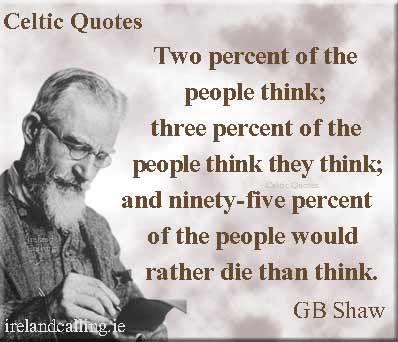
George Bernard Shaw and ignorance, June 2013. (http://www.irelandcalling.ie/).

George Bernard Shaw and ignorance, June 2013. (http://www.irelandcalling.ie/).

“My people perish for a lack of knowledge,” it seems, is something that anyone can find in almost any religion’s texts anywhere. Heck, depending on perspective, even atheists in general can agree with this statement (of course, the issue would be what constitutes “knowledge”). I read this verse (it’s in Hosea and Isaiah, and versions of it as well as in Jewish texts and the Qur’an) for the first time when I was fifteen in ’85, less than a year after I converted to Christianity. Boy, I had no idea how little I knew about myself, my family and my history when I first read that verse twenty-nine years ago.

In light of the end of Black History Month, I wouldn’t be me without noting how little any of us know about our families, our lineages and our ancestors. But it’s not just true of the millions of us descended from West and Central Africans kidnapped, bound, abused, raped and nearly worked to death to provide Europeans (and Arabs) wealth and comfort. Most of us don’t even know what we think we know about much more recent history and events than surviving the Middle Passage or overcoming Jim Crow.

A rabbi, a priest and an imam, 2013-2014. (PizzaSpaghetti via http://www.deviantART.com).

A rabbi, a priest and an imam, 2013-2014. (PizzaSpaghetti via http://www.deviantART.com).

For me and my family, I knew so little about us that my Mom could’ve told me that Satan had thrown us out of Hell for being too brown to burn and I would’ve accepted it as an appropriate answer. All I really knew of my mother’s side of my family was that they were from Arkansas, that my Uncle Sam (I chuckled sometimes thinking of the irony) was my Mom’s closest sibling, and that they grew up as dirt poor as anyone could get without living in a thatched root hut on less than $1 a day.

I asked for more during those rare moments when my focus wasn’t on high school, getting into college and getting as far away from 616 and Mount Vernon, New York as possible. I ended up finding out about how my Mom’s mother once beat her with the back of a wooden brush for not being ready on time for church, that there were years where her father made only $200 total from cotton farming, and that she was the oldest of twelve kids. She had done some form of work either taking care of her siblings, cooking, cleaning, washing clothes by hand, and hoeing and picking cotton, since she was five or six. Oh yeah, and she played basketball in high school.

On my father’s side, I knew a bit more, if only because Darren and me went with my father to visit the Collins farm in Harrison, Georgia in August ’75. I was five and a half then, but I do remember the fresh smoked ham and bacon, the smell of my grandfather’s Maxwell House coffee, me being too scared to ride a horse, so they put me on a sow (my brother did ride the horse, though). But what people did, how a Black family owned their own land going back to the turn of the twentieth century, I wouldn’t have known to even ask about at not quite six years old.

What I didn’t know until after high school, college, even after earning a Ph.D. in knowing (that’s what a history degree ultimately is) was so much worse than I imagined. To find out at twenty-three that my Mom was a star basketball player in high school. She played center, and led her team to Arkansas’ segregated state quarterfinals in ’65. My Uncle Sam played four sports in high school (basketball, football, baseball and track and field) and was offered college scholarships, but didn’t have the grades to move forward. I learned a year later that my Uncle Paul followed in their footsteps, and played three years at the University of Houston, left early and played for the Houston Rockets in ’82-’83 (not a good year for them, or for me, for that matter) before blowing out a knee and moving into entertainment work.

My father’s family — at least the women of the family — boasted at least three college degrees. Two of my aunts became school teachers. My uncles started businesses in Atlanta and in parts of rural Georgia, working their way well beyond the farm to the work they wanted to do.

Unidentified tenant farmer, his home, automobile, and family, Lee Wilson & Company, rural Arkansas, 1940s. (http://libinfo.uark.edu/SpecialCollections/)

Unidentified tenant farmer, his home, automobile, and family, Lee Wilson & Company, rural Arkansas, 1940s. (http://libinfo.uark.edu/SpecialCollections/)

I learned all of this by the time I turned thirty-two, just a year and a half before my own son was born. How many different decisions I would’ve made about my life if I had known that one half of my family was full of athletes, and the other half was full of business owners, not to mention three aunts with a college education? I would’ve known to try out for any sport in high school — particularly basketball — and to not be afraid to fail. I would’ve known that I was only the first person in my immediate family to take a go at college beyond a certificate in dietary science (my Mom earned that in the summer of ’75), and not the first one on either side as I once thought.

Most of all, I would’ve known that though I was lonely and played the role of a loner my last years growing up, that I wasn’t alone. There were a whole bunch of people in my lineage, some of whom were alive and well, from whom I could’ve drawn strength, found kinship, felt pride and confidence in, where I wouldn’t have seen myself as an abandoned and abused underdog anymore.

If I’d known all this growing up, I wouldn’t have felt and sometimes feel robbed now, by poverty and parenting, abuse and alcoholism. This is why having knowledge to draw from is so important.

When Work Really Is Too Much

27 Monday Jan 2014

Posted by decollins1969 in 1, Carnegie Mellon University, culture, High Rise Buildings, Jimme, My Father, New York City, Pittsburgh, Politics, Pop Culture, race, University of Pittsburgh, Work, Youth

≈ Leave a comment

Tags

Bigotry, Burnout, CIS, Computer and Information Systems, Hard Work, Hard Work Mythology, Jay Wickliff, Long Hours, Pitt, Presidential Classroom, Racism, Sexual Harassment, Sleep Deprivation, Workplace Harassment


From "How to Do More Work in Less Time" article, Forbes Magazine, February 28, 2012. (Deborah L. Jacobs/http://forbes.com).

From “How to Do More Work in Less Time” article, Forbes Magazine, February 28, 2012. (Deborah L. Jacobs/http://forbes.com).

I’ve been working for a paycheck in some capacity since September ’84, when me and my brother Darren began working with our father Jimme down in Upper West/East Side and Midtown Manhattan. Back then, we cleaned the floors of corporate offices, the carpets of condos and co-ops, and endured Jimme’s alcoholic ups and downs. There was one lesson, though, that stuck with me in the year or so that we worked for our father, one that extended the lesson we observed from our Mom before we fell into welfare in April ’83. That we wouldn’t get far without hard work or without having work, and that if we wanted to avoid the work of a low-paying, back-breaking job like buffing and waxing floors, we also needed to work smart, to use our brains and our muscles

Since then, the longest I’ve been without a job has been ten months, between August ’86 and June ’87. I worked all the way through undergrad at Pitt and was a grad assistant and teaching assistant throughout grad school (with the exception of my time as a Spencer Foundation Dissertation Fellow in ’95-’96, and even then, I worked on two of Joe Trotter’s research projects). I’ve faced periods of unemployment and longer periods where I’ve cobbled together part-time and full-time work, as well as held stable full-time work in the nonprofit and higher education worlds.

Working long hours, January 23, 2014. (Mark Holder/http://www.findersandsellers.com).

Working long hours, January 23, 2014. (Mark Holder/http://www.findersandsellers.com).

In all that time, I’ve only held two jobs where I’d been overwhelmed with work. Not the actual act of performing the duties of these jobs, mind you. The number of hours in which I had to show up for work was what eventually made these jobs overwhelming. My first time experiencing full-time work outside of a summer job was in the middle of my Winter/Spring ’89 semester. I worked for Pitt’s Computer and Information Systems’ (CIS) computer labs back then. I had requested more hours, and had gone from twelve to twenty to thirty-six between the beginning of January and the second-half of February, covering for folks who had moved on to real full-time work after graduating.

This was a seven-week period in which I averaged 36 hours per week while taking sixteen credits — five classes — and all while facing sexual harassment from my co-worker Pam, harassment tacitly sanctioned by our boss and her friend Cindy. Despite it all and my $4.15/hour salary, I focused on the work, the need for extra cash, and my friends, and came out the other side, and hoped to avoid a situation like that again.

I stumbled my way into a worse situation in my first full-time work after earning my doctorate, with the now out-of-business Presidential Classroom. My official title was Director of Curriculum, but that was my main job for only nine months out of the year. Because Presidential Classroom had dedicated itself to edu-tainment with a full-time staff of only a dozen, this meant that all full-time staff were also part of what we called Program. Fifteen weeks during the winter, early spring and summer, one group of 300-400 high school juniors and seniors from across the country (and Puerto Rico and outside the US/commonwealth) after another would spend a week in DC learning about “how government and politics work on Capitol Hill.” Or, as our brochures would say, “Not your typical week in Washington.”

One version of Presidential Classroom logo, January 27, 2014. (http://congressionalaward.org).

One version of Presidential Classroom logo, January 27, 2014. (http://congressionalaward.org).

I worked on-site at the Georgetown University Conference Center (where Marriott had a hotel, primarily for families visiting their hospitalized loved ones at Georgetown University Hospital) for seven of those weeks. I supervised interns, so-called faculty (some of whom were government employees who seemed more interested in chasing skirts than in sharing their experiences) and worked with other staff while watching over these groups of students roaming all over DC and Northern Virginia week after week.

One week in February ’00, I counted up, and found that I’d worked 120 hours in all. This included a 21-hour-day, in which I’d caught a boy in a girls’ hotel room, and then proceeded to contact his parents and expel him from the program. Between that and the bigoted staff I worked with — including my boss, the ED, who once told the joke that “slavery was a hoax” — I knew that putting in 100+ hours per week and sleeping in lumpy beds for $35,000 a year wasn’t worth it. By the last week of June ’00, I was severely sleep-deprived and ready to run my co-workers through with a long spear.

The lesson here was that we all need work, and we all need to work hard in order to guarantee success. But working hard also requires hard thinking and decision-making. It required me to say “No” to things that I had said “Yes” to when I was younger and more desperate for any job. What’s the damnable misery of it, though, is knowing that there are millions of people stuck in jobs that require so much more of them than they should be willing to give.

No job should require the kind of hours I put in combined with harassment and bigotry unless the salary is in the six-figure range, and even then, it’s not worth it. It won’t be worth the loss of self-esteem, the sleep deprivation, the sudden weight gain, the irritability and the temptation to turn to forms of self-medication. It wasn’t worth it for me in ’89 or in ’00, as I’m sure it isn’t for those of you in jobs like this now.

In Denigration of the Black and Accomplished

20 Monday Jan 2014

Posted by decollins1969 in 1, Academia, Carnegie Mellon University, culture, Eclectic, Pittsburgh, Politics, Pop Culture, race, University of Pittsburgh, Work

≈ 1 Comment

Tags

Abuse, Academic Culture, Academic Politics, Accomplishments, Achievements, Black Milwaukee, CMU, Denigration, Joe Trotter, Joe William Trotter Jr., Larry Glasco, Laurence Glasco, Meritocracy, Neglect, Pitt, Richard Oestreicher, Running Interference, Scholarship, Whiteness


Screenshot of Richard Sherman post-game interview with Erin Andrews, NFC Championship Game, Seattle, WA, January 19, 2014. (http://msn.foxsports.com).

Screenshot of Richard Sherman post-game interview with Erin Andrews, NFC Championship Game, Seattle, WA, January 19, 2014. (http://msn.foxsports.com).

I plan half of my blog posts in advance. At the beginning of every year, I make up a list of topics that I intend to cover, listed by month, and then go through that list. For the other half, I take advantage of relevant news stories or sudden life experiences that also seem relevant. Screen shot 2014-01-20 at 9.25.25 AM

Today’s post is a combination of planning and the impromptu. I’d already planned to write about the tightrope of being Black and accomplished — actually, more like the noose of it. But thanks to @profragsdale’s tweet, aka, Rhonda Ragsdale, an Associate Professor of History at Lone Star College-North Harris (Houston, Texas) and a PhD candidate at Rice University, I started on this topic a day early. Her tweet was the kick-off to eight hours of tweets about the cold and often cold-shoulder reception women — and Black male and LGBT — faculty and grad students receive when bringing up, discussing or even promoting themselves and their accomplishments.

Only to see more of these tweets and thoughts confirmed in another arena. The response of the racist, George-Zimmerman-set to Richard Sherman’s post-game interview with Erin Andrews on FOX within a couple of moments after he made the play to seal the game for his Seattle Seahawks to go play in Super Bowl XLVIII. You, Black man, can’t have a flash of anger and moment of passion on TV after playing in the NFC Championship Game, for then your accomplishments will be used against you. (Sarcasm aside, Sherman’s taunting will likely result in a fine, but that’s the NFL).

Single Drum Rollers with Rock Crushing Drum crushing soil and rocks (similar to how Whiteness can crush Black accomplishments), January 20, 2014. (http://bomag.com).

Single Drum Rollers with Rock Crushing Drum crushing soil and rocks (similar to how Whiteness can crush Black accomplishments), January 20, 2014. (http://bomag.com).

My post is much, much closer to home. I had the blessing and the curse of having two Black males as my official advisors while in grad school at Pitt and Carnegie Mellon, Larry Glasco for two years at Pitt, and Joe Trotter for four years at CMU. My gripes and complaints about their neglect, selective attentions to my development, and, in Trotter’s case, harassment and psychological torture I’ve already documented well here. What I haven’t discussed is that they were part of a cycle of academic abuse that they passed down to my generation of grad students, and likely some of my colleagues are passing on to their grad students as I write today.

My best example of how denigration in academia works was a conversation I had with Dick Oestreicher, a Pitt professor for my grad seminar in American Working-Class History in Fall ’92. I was in Trotter’s African American History seminar at CMU at the same time. Oestreicher asked me what else I was taking that semester, I guess because I’d proven resistant to the idea that social class had primacy over all forms of inequality, even in the US (a neo-Marxist to the core, I guessed).

When I told him I was in Trotter’s seminar, Oestreicher said, “Oh, I’ve heard of him,” with the disdain a fashion designer usually reserved for suits off Sears’ rack. You’ve “heard of him?” Really? Trotter, an award-winner scholar and author with a groundbreaking book on Black migration, urbanization and class formation in Black Milwaukee: The Making of an Industrial Proletariat, 1915-1945 (1985; 2007), and you’ve heard of him? A colleague only three blocks and one bridge away, and you’ve heard of him? Even now, the only word I have to that is, “Wow!”

If Oestreicher was the only one to do that, and only to Trotter, then my observations here would be suspect. But I witnessed this same kind of thing from other White history professors at Pitt and CMU toward Trotter and Glasco during my grad school years. Heck, one of the reasons I left for CMU in the first place was because I knew several of the most powerful professors in the Pitt history department didn’t respect Glasco’s work, and by extension, my own progress and work.

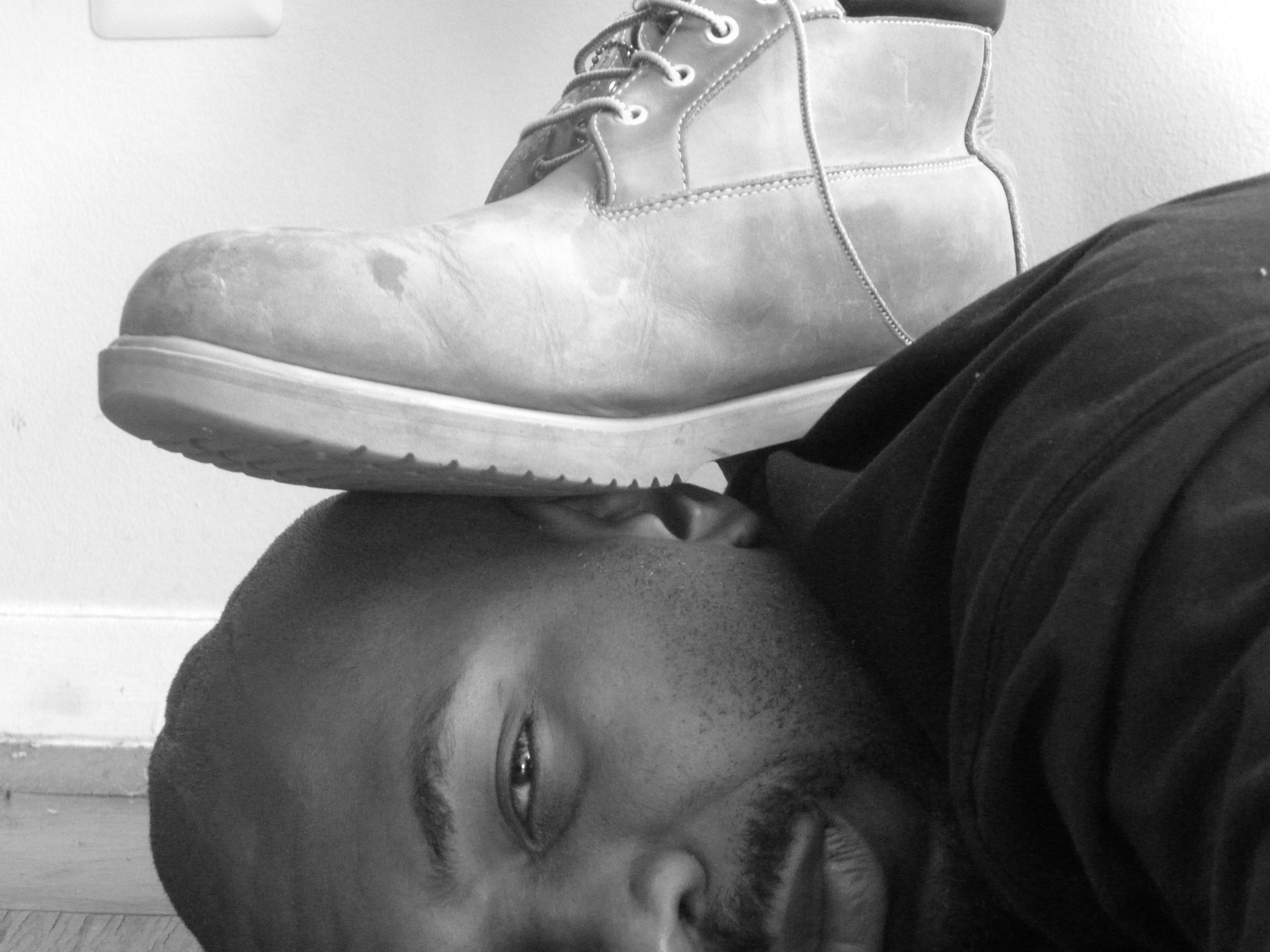
Foot On My Neck & Head, symbolic of my years as a Hebrew-Israelite (also of grad school), April 18, 2011. (Donald Earl Collins).

Foot On My Neck & Head, symbolic of my years as a Hebrew-Israelite (also of grad school), April 18, 2011. (Donald Earl Collins).

Maybe that was part of the reason why Trotter would constantly “run interference” on my behalf, to protect my “interests” during my four years there. Because, despite all the long hours, the sweat, tears and blood, there were folks at CMU who just saw him as a mere Black man, not a colleague or scholar every bit their equal. Given the books, the articles, the grants and so many other accomplishments, Trotter was easily the most productive professor in the department.

None of this justified how Trotter treated me when I was his student. I was semi-aware of the racial politics of accomplishment denial that folks around us practiced. I often chalked it up to jealousy or stress, thinking that the quality of my work or — to use Trotter’s terminology — my scholarship would show the academic world my worth. What White disdain toward Glasco and Trotter — and Trotter’s harassment of me — taught me, though, is that I’d have to be White in order for my accomplishments to seriously matter in academia, and I wasn’t planning on being White in my lifetime. And, that intellectual Whiteness can be nurtured and grown into Black professors.

In the years since finishing my own PhD, I’ve faced my own dilemmas around my achievements. I’ve at times attempted to fit in by downplaying my publications, by not bringing up my degrees, by not talking about my fellowship awards. What have I learned? To deny myself of my own accomplishments is like making a fine wine but not even daring to take a sip. White accomplishment deniers be damned.

Bearing False Witness At Work – It Can Hurt

16 Saturday Nov 2013

Posted by decollins1969 in 1, culture, Eclectic, Politics, Pop Culture, race, Religion, University of Pittsburgh, Work, Youth

≈ 3 Comments

Tags

Academy for Educational Development, AED, Bigotry, Bipolar Disorder, Diagnostic and Statistical Manual for Mental Disorders, False Accusations, Hostile Workplace, Juan Mezzich, Ken, New Voices, New Voices Fellowship Program, Paranoia, Racism, Sexual Harassment, Westchester County Department of Community Mental Health, Western Psych, Western Psychiatric Institute & Clinic


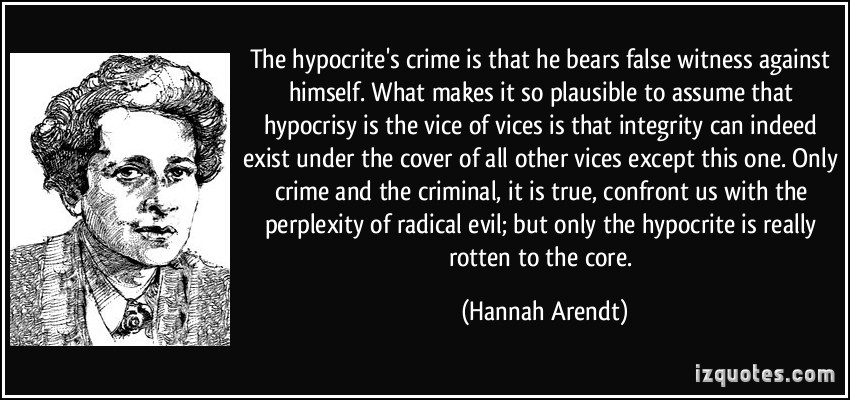
Hannah Arendt on false witnesses, November 16, 2013. (http://izquotes.com/).

Hannah Arendt on false witnesses, November 16, 2013. (http://izquotes.com/).

I’d be remiss if I didn’t at least mention the fact that this week ten years ago, I endured what was the beginning of a three-month period of a hostile work environment (one that was already not-so-optimal to begin with). It was brought on by my then immediate supervisor’s paranoia and jealousy, and intensified by his then undisclosed bipolar disorder. I’ve written about my three years of hell with Ken before on this blog, most notably in “The Messiah Complex At Work, Part 1” from a couple of years ago.

What I haven’t really discussed at all was how I felt about all of this as I went through it. As a man, as a Black man, as a person who believed in social justice, including in a workplace in which we funded social justice projects. I’d only been accused of sexual harassment one other time, by a boss whose best friend had been harassing me at work for the better part of two months, in the early part of ’89. Now, fourteen years later, here was Ken, at an HR meeting he set up, accusing me of saying things that I never said, of thoughts that I never had.

I was already used to being guilty before being innocent. With police. In a public setting, like a supermarket or bookstore. But not at work, and for the most part, not while I was at Pitt or Carnegie Mellon. Why? Because I tended to be at my most guarded while at work back then. In fact, during an exit interview the year before, a former program assistant at New Voices said that I needed to be “more open” at work if a team like ours was ever to reach its full potential. She may have been right. If only I had bosses who were more open, more relaxed, less accusatory, and in Ken’s case, on his meds.

Archie Bunker from All In The Family (1971-78) screen shot, June 2013. (http://www.chicagonow.com/).

Archie Bunker from All In The Family (1971-78) screen shot, June 2013. (http://www.chicagonow.com/).

There are few things worse in one’s job or career than reckless false accusations. Even if proven completely untrue, there are some who’ll choose to look at those accused with less trust and more suspicion. And Ken, for all of his bluster about social justice, had proven himself to be as much of a bigot as former executive director at Presidential Classroom, an openly admitted bigot. He could’ve accused me of insubordination, of wanting his job, of not doing my job well enough. Instead, Ken relied on the whole hyper-sexualized Black male motif, as if my testosterone was dripping right out of my penis, like some animal in heat.

Of course, some of you will say, “He had untreated bipolar disorder. He didn’t know what he was doing. Cut him some slack.” No, I can’t and I won’t. As I’ve noted in another post regarding Ken’s condition, bipolar disorder doesn’t equal insanity or irrational behavior necessarily. I worked for Westchester County Department of Community Mental Health between ’89 and ’92, and for Western Psychiatric Institute & Clinic at Pitt between ’89 and ’91. I became pretty good at understanding the Diagnostic and Statistical Manual for Mental Disorders. I did learn a thing or two from having Dr. Juan Mezzich as a boss while I worked at Western Psych between my junior year and first year of grad school at Pitt. 

Kingda Ka, the world's tallest roller coaster, Six Flags Great Adventure, Jackson, NJ (Exit 7A, NJ Turnpike), September 23, 2006. (Dusso Janladde via Wikipedia). Released to public domain.

Kingda Ka, the world’s tallest roller coaster, Six Flags Great Adventure, Jackson, NJ (Exit 7A, NJ Turnpike), September 23, 2006. (Dusso Janladde via Wikipedia). Released to public domain.

One of the things I learned was that bipolar disorder generally exaggerates existing thoughts and behaviors. The psychosis can often be exasperated by stressful situations. For those with the illness, the highs are way too high, the lows so low that suicidal thoughts can become prevalent. If one tends to be paranoid, the paranoia becomes heightened, as was the case with Ken. Still, even with bipolar disorder, he was acting on his bigoted and paranoia template, there long before bipolar disorder manifested itself in him as an adult.

I understood all of this, even as I went through months of accusations and arbitrary changes to my work schedule. But that didn’t mean that there wasn’t a part of me that felt rage, wanted revenge, wanted to take the physically and emotional stunted twerp and stuff him in a garbage can. Or that I didn’t come to work at AED every day between November ’03 and February ’04 with thought that I should just quit, turn around, go home, watch my newborn son Noah and figure out my next step. Most of all, there were times I wanted to choke Ken until he told the truth, that he was a jealous-hearted bastard who lied about me to HR in order to put me in my place as a Black guy working under a White guy.

But I didn’t. I didn’t because I knew that I was right. I knew, somehow, that things would work out in my favor. I knew that God and the universe would vindicate me. If my life is proof of anything, it’s proof that my truth wins out in the end. Those thoughts dictated my actions and counteracted any feelings of rage or violence I had during those cloudy days. To Jonathan Martin and so many others out there, I think I know how you feel right now. Please hang in there, and hang on to the truth.

October in Portland

14 Thursday Nov 2013

Posted by decollins1969 in 1, Boy @ The Window, culture, Eclectic, Marriage, Politics, Pop Culture, race, Work

≈ Leave a comment

Tags

Career, Career Decisions, Grantmakers for Education, Great Recession, Jobs, Moving, Portland (Oregon), Self-Reflection, Underemployment


Panoramic shot of Hawthorne Bridge and downtown Portland, Oregon, October 14, 2013. (http://en.wikipedia.org).

Panoramic shot of Hawthorne Bridge and downtown Portland, Oregon, October 14, 2013. (http://en.wikipedia.org).

I know, I know. It’s November. But this post is still relevant. Five years ago last month, I made one of the toughest career decision I’ve ever faced, and certainly the toughest this side of the twenty-first century. I turned down a job that looked in many respects like a really good fit with my career goals and experiences, a job that on the surface would’ve paid pretty well. My decision to not take this job wasn’t made in a vacuum — this was October ’08, after all, when the US economic slowdown truly became the Great Recession here and around the world. But as it turned out, there are things more important than a higher salary and a job that looks good on a curriculum vitae.

Grantmakers for Education had interviewed me four times in six weeks between August, September and early October ’08. The first three were telephone conversations with various staff members, including the executive director. I already knew of their work through my college access and retention initiative at Academy for Educational Development (AED – now FHI 360). I interviewed for GFE’s program director position, which would’ve made me second or third in charge within the organization. Through interviews and research, I knew that GFE had been around since ’97 as a spin-off from the work of the Council on Foundations — meaning it had some support from the private foundation community. I also knew that they had a total staff of seven people.

But, most important, I knew that GFE’s offices were in Portland, Oregon. It wasn’t a deterrent for me. After all, my wife and I had agreed that any job search of mine would invite the possibility of making a geographic move. The cities, though, had included New York, Philly, Boston, Chicago and Seattle (with some considerations for Toronto and the Bay Area), not Portland specifically. In my mind, Portland, though definitely different from Seattle, was close enough.

By the time I flew out for my in-person interview with GFE on October 2 and 3, ’08, I did feel quite a bit of pressure riding on my interview and the decisions I’d make if offered the job. For one, I’d been privately predicting the economic slide that we now call the Great Recession since ’02. As a result, my consulting work for the second half of ’08 had all but dried up. I was teaching only one class at University of Maryland University College that fall, meaning that we would be going pretty deep into our savings to get through the end of the year. And though Boy @ The Window had attracted the attention of a few literary agents, the Great Recession had affected their businesses and their willingness to take a chance on a not-so-well-known author.

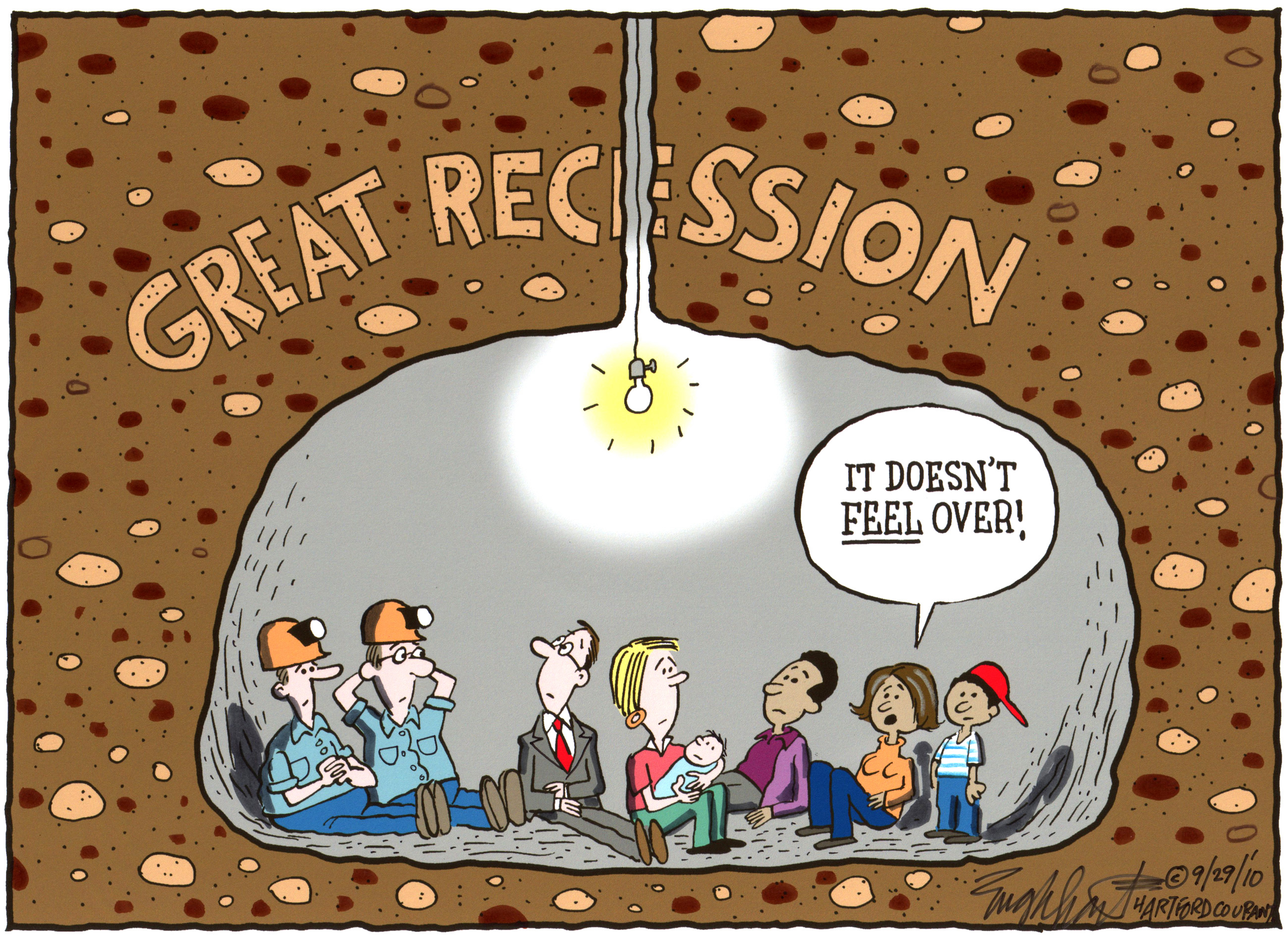
"Great Recession: It doesn't feel over," Bob Englehart, Hartford Courant, September 29, 2010. (http://blogs.courant.com).

“Great Recession: It doesn’t feel over,” Bob Englehart, Hartford Courant, September 29, 2010. (http://blogs.courant.com).

With all that on my mind, it was a wonder that I could focus on anything at all, much less the final interview. Yet I did, and in the process, met with a wonderful staff and found Portland a rather interesting city.

So I wasn’t surprised the following Wednesday that GFE called me to offer me the position. They gave me a low-ball offer, one that was only $5,000 more than I made at my last AED job, and far less than I made as a consultant (at least, when I had work as a consultant). But they did offer $8,000 in moving expenses. We went back and forth on salary and benefits over the next five days.

During that time, my wife and I talked at length about moving to Portland, Noah’s schooling (he was in kindergarten back then), and the negotiations. She finally revealed to me a couple of things I wished she had told me before my third interview. One, she wasn’t interested in moving to Portland (it reminded her too much of Pittsburgh, only without a sizable Black community). Two, she thought that GFE’s small staff and budget would limit my career and put a ceiling on my salary over time.

My wife didn’t want me to take a job and move out there by myself, with her and Noah here in the DC area. Nor did she want me to make a decision based on the momentary whims of the economy or because the job would be a relatively easy one for me. Ultimately, my wife reminded me that I preferred a challenge, work that could be exciting, that paid well, a community with a diverse nature, an organization that offered opportunities for the long-term.

Albert Einstein and his insanity definition, June 2013. (http://liveyourtruelife.org/).

Albert Einstein and his insanity definition, June 2013. (http://liveyourtruelife.org/).

On October 15, GFE came back with their final offer. It was somewhat generous. They increased the salary offer by ten percent, and offered $10,000 in moving expenses. In exchange, my salary would be capped for three years, and they wouldn’t pay into my retirement fund over that period (I’d have to add to it without them matching). They even offered to allow me to work from DC during October and November before moving in December.

Still, reading in between the lines, my wife was right. I could clearly see that if I’d taken this job, my marriage would’ve been over. Maybe not immediately, but it would’ve been a industrial-sized shovel full of dirt toward a buried coffin. The distance would’ve been too great to carry on anything resembling a family. As for my career, I would’ve faced a dead end in the intermediate term — forget about the long-term — financially and otherwise.

So I said “No” to GFE. I stared into the proverbial abyss, knowing that it would be a rough next few months. And it was. But I did pick up several steady consulting gigs in ’09 and ’10. My teaching schedule went from part-time to pretty much full-time by Fall ’10 (still an adjunct contract, though). I made sure that my wife was on board with a job not on our top-cities-to-move-to list before applying.

My decision was as much about finding the right position with the right organization as it was about ensuring the health of my marriage and my family. All have to be in sync on big decisions like this. I’m glad we have that clarity now.

← Older posts
Newer posts →

Boy @ The Window: A Memoir

Boy @ The Window: A Memoir

Places to Buy/Download Boy @ The Window

There's a few ways in which you can read excerpts of, borrow and/or purchase and download Boy @ The Window. There's the trade paperback edition of Boy @ The Window, available for purchase via Amazon.com at http://www.amazon.com/Boy-Window-Donald-Earl-Collins/dp/0989256138/

There's also a Kindle edition on Amazon.com. The enhanced edition can be read only with Kindle Fire, an iPad or a full-color tablet. The links to the enhanced edition through Apple's iBookstore and the Barnes & Noble NOOK edition are below. The link to the Amazon Kindle version is also immediately below:

scr2555-proj697-a-kindle-logo-rgb-lg

Boy @ The Window on Amazon.com: http://www.amazon.com/Boy-The-Window-Memoir-ebook/dp/B00CD95FBU/

iBookstore-logo-300x100

Boy @ The Window on Apple's iBookstore: https://itunes.apple.com/us/book/boy-the-window/id643768275?ls=1

Barnes & Noble (bn.com) logo, June 26, 2013. (http://www.logotypes101.com).

Boy @ The Window on Barnes & Noble: http://www.barnesandnoble.com/w/boy-the-window-donald-earl-collins/1115182183?ean=2940016741567

You can also add, read and review Boy @ The Window on Goodreads.com. Just click on the button below:

Boy @ The Window

Twitter Updates

Tweets by decollins1969
  • RSS - Posts
  • RSS - Comments

Archives

  • June 2025
  • April 2023
  • September 2022
  • August 2022
  • July 2022
  • June 2022
  • May 2022
  • April 2022
  • March 2022
  • January 2022
  • December 2021
  • November 2021
  • October 2021
  • September 2021
  • August 2021
  • July 2021
  • June 2021
  • April 2021
  • March 2021
  • February 2021
  • January 2021
  • December 2020
  • November 2020
  • October 2020
  • September 2020
  • August 2020
  • July 2020
  • May 2020
  • April 2020
  • March 2020
  • January 2020
  • December 2019
  • November 2019
  • August 2019
  • July 2019
  • June 2019
  • May 2019
  • April 2019
  • March 2019
  • February 2019
  • January 2019
  • December 2018
  • November 2018
  • October 2018
  • September 2018
  • August 2018
  • July 2018
  • June 2018
  • May 2018
  • March 2018
  • February 2018
  • January 2018
  • December 2017
  • November 2017
  • October 2017
  • September 2017
  • August 2017
  • July 2017
  • June 2017
  • May 2017
  • April 2017
  • March 2017
  • February 2017
  • January 2017
  • December 2016
  • November 2016
  • October 2016
  • September 2016
  • August 2016
  • July 2016
  • June 2016
  • May 2016
  • April 2016
  • March 2016
  • February 2016
  • January 2016
  • December 2015
  • November 2015
  • October 2015
  • September 2015
  • August 2015
  • July 2015
  • June 2015
  • May 2015
  • April 2015
  • March 2015
  • February 2015
  • January 2015
  • December 2014
  • November 2014
  • October 2014
  • September 2014
  • August 2014
  • July 2014
  • June 2014
  • May 2014
  • April 2014
  • March 2014
  • February 2014
  • January 2014
  • December 2013
  • November 2013
  • October 2013
  • September 2013
  • August 2013
  • July 2013
  • June 2013
  • May 2013
  • April 2013
  • March 2013
  • February 2013
  • January 2013
  • December 2012
  • November 2012
  • October 2012
  • September 2012
  • August 2012
  • July 2012
  • June 2012
  • May 2012
  • April 2012
  • March 2012
  • February 2012
  • January 2012
  • December 2011
  • November 2011
  • October 2011
  • September 2011
  • August 2011
  • July 2011
  • June 2011
  • May 2011
  • April 2011
  • March 2011
  • February 2011
  • January 2011
  • December 2010
  • November 2010
  • October 2010
  • September 2010
  • August 2010
  • July 2010
  • June 2010
  • May 2010
  • April 2010
  • March 2010
  • February 2010
  • January 2010
  • December 2009
  • November 2009
  • October 2009
  • September 2009
  • August 2009
  • July 2009
  • June 2009
  • May 2009
  • April 2009
  • March 2009
  • February 2009
  • January 2009
  • December 2008
  • November 2008
  • October 2008
  • September 2008
  • August 2008
  • July 2008
  • June 2008
  • May 2008
  • April 2008
  • March 2008
  • February 2008
  • January 2008
  • December 2007
  • November 2007
  • October 2007
  • September 2007
  • August 2007
  • July 2007
  • June 2007

Recent Comments

MaryPena's avatarMaryPena on My Day of Atonement/Bitter Hat…
decollins1969's avatardecollins1969 on No Good Teaching Deed Goes…
Mary Rose O’Connell's avatarMary Rose O’Connell on No Good Teaching Deed Goes…

NetworkedBlogs on Facebook

NetworkedBlogs
Blog:
Notes From a Boy @ The Window
Topics:
My Life, Culture & Education, Politics & Goofyness
 
Follow my blog

616 616 East Lincoln Avenue A.B. Davis Middle School Abuse Academia Academy for Educational Development AED Afrocentricity American Narcissism Authenticity Bigotry Blackness Boy @ The Window Carnegie Mellon University Child Abuse Class of 1987 CMU Coping Strategies Crush #1 Crush #2 Death Disillusionment Diversity Domestic Violence Economic Inequality Education Family Friendship Friendships Graduate School Hebrew-Israelites High-Stakes Testing Higher Education History Homelessness Humanities Humanities Program Hypocrisy Internalized Racism Jealousy Joe Trotter Joe William Trotter Jr. K-12 Education Love Manhood Maurice Eugene Washington Maurice Washington Misogyny Mother-Son Relationship Mount Vernon High School Mount Vernon New York Mount Vernon public schools Multiculturalism MVHS Narcissism NFL Pitt Pittsburgh Politics of Education Poverty President Barack Obama Race Racial Stereotypes Racism Relationships Self-Awareness Self-Discovery Self-Reflection Sexism Social Justice Teaching and Learning University of Pittsburgh Violence Whiteness Writing

Top Rated

Blog at WordPress.com.

  • Subscribe Subscribed
    • Notes from a Boy @ The Window
    • Join 103 other subscribers
    • Already have a WordPress.com account? Log in now.
    • Notes from a Boy @ The Window
    • Subscribe Subscribed
    • Sign up
    • Log in
    • Report this content
    • View site in Reader
    • Manage subscriptions
    • Collapse this bar
 

Loading Comments...