• About Me
  • Other Writings
  • Interview Clips
  • All About Me: American Racism, American Narcissism, and the Conversation America Can’t Have
  • Video Clips
  • Boy @ The Window Pictures
  • Boy @ The Window Theme Music

Notes from a Boy @ The Window

~

Notes from a Boy @ The Window

Category Archives: Marriage

Kidneys, Baking Soda & 240 East Third Street

06 Wednesday Feb 2013

Posted by decollins1969 in 1, Boy @ The Window, culture, Eclectic, Jimme, Marriage, Mount Vernon New York, My Father, Politics, Pop Culture, race, Youth

≈ Leave a comment

Tags

240 East Third Street, 616, 616 East Lincoln Avenue, Alcohol Abuse, Alcoholism, Arthur, Baking Soda, Black Migrants, Black Migration, Callie Mae, Cecil Parker Elementary, Child Neglect, Divorce, Domestic Violence, Drinking Buddies, Drug Abuse, Flu, Ida, Kidney Failure, Kidney Transplant, Lo, Mount Vernon Hospital, Nathan Hale Elementary, North Side, Poverty, South Side
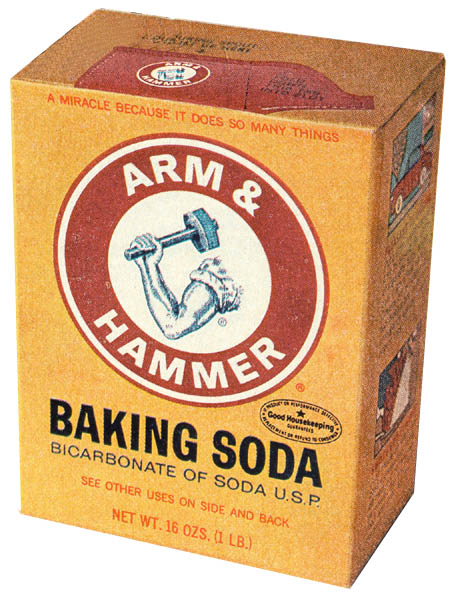

Arm & Hammer Baking Soda, 1lb Box, circa 1970s, February 6, 2013. (http://wackypackages.org).

Arm & Hammer Baking Soda, 1lb Box, circa 1970s, February 6, 2013. (http://wackypackages.org).

I wrote at length thirteen months ago about the devolution of my mother and father’s marriage in ’76 and ’77, and how that led to an incident with a coffee table on or around my seventh birthday (see my post “Stomping in Coffee Table Glass” from December ’11). It was a difficult time in all of our lives, and my grades in second grade reflected this. Me and my older brother Darren had a different living arrangement from week to week between September ’76 and April ’77. But for my mom, it was life-threatening. No wonder my Uncle Sam clotheslined my father Jimme as if he were Deacon Jones and my father was Johnny Unitas!

Despite my mother’s (real and imagined) infidelity and her filing for divorce — or because of it — my father refused to move out of our second-floor flat at 425 South Sixth. From September ’76 through March ’77, he’d come and go as it pleased him. Jimme would be home for a few hours on a Wednesday, cut the cords to the telephone or dump my mom’s mink stole in a bathtub, and then be gone for another five days or a full week. If my mom somehow was home when Jimme was, they’d fight all hours. On the nights my mother was out with her bowling league, or with friends, or (presumably) with my eventual stepfather Maurice, she’d call us to make sure we were okay, only to find Jimme at the other end of the line, threatening to kill her and us.

Starting at the end of that September, barely a month into the school year, Darren and me found ourselves spending more and more time with our babysitter Ida at 240 East Third Street. For folks who have never been to this part of the Mount Vernon, New York’s South Side, the best thing to say about 240 East Third was that it was next door to an environmentally hazardous scrap metal yard. It was a dangerous place, one of extreme poverty, alcohol and drug abuse, a place in which the most recent of Black migrants from the South and their sons and daughters tried to make into a home.

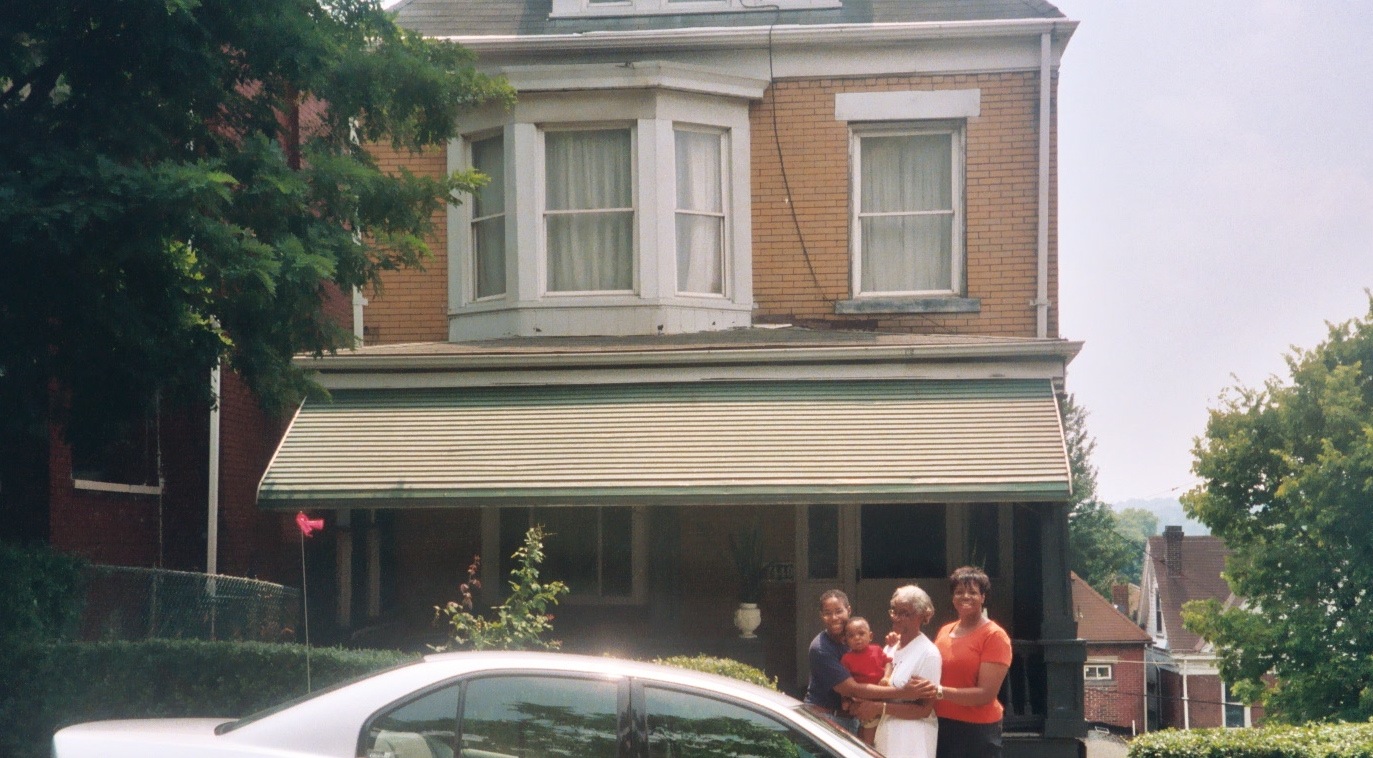
240 East Third Street, Mount Vernon, NY, September 2007. (http://googlemaps.com).

240 East Third Street, Mount Vernon, NY, September 2007. (http://googlemaps.com).

Ida had been our babysitter for as long as long as we could remember. One of my first memories was calling her a “bitch” when I was three because she had made us a bubble bath out of very itchy Tide detergent. I didn’t know the full meaning of what I said, but Ida took a switch and whupped me anyway. Now we were living with her for days at a time, having to walk a mile down East Third, then South Fulton Avenue, and then Sanford Blvd to get to Nathan Hale Elementary (now Cecil Parker Elementary). The irony was that our real home was just two doors down from the school.

That wasn’t the only irony. On the many days we spent with Ida, we also spent time with her friends, Callie Mae, Lo (short for Lorenzo) and Arthur. The reason we could spend so much time with these friends of my mom was precisely because they were Jimme’s friends originally. They were part of his circle of drinking buddies! And, with us already at 240 East Third, my father would swing around and drink to his heart’s content with all of them.

My mother, meanwhile, began experiencing what the doctors at Mount Vernon Hospital thought was mere signs of stress. Her kidneys, though, were shutting down, causing a multitude of health issues. She’d gone to see her primary care physician about this in October, then again in December and January. By the end of January ’77, my mother was stuck at the hospital, as her doctors at one point thought that she would need a fast-track to a kidney transplant. Keep in mind that this is ’77, so kidney transplants weren’t the exact science that they are today.

I ended up in the hospital with her in early February ’77, with a fever of 105°F. They put me in a bed near my mom, stuck a thermometer in my butt, and figured out that I had the flu. That I still have positive thoughts of this visit is a sure sign of delusion and the grimness of that time in our lives.
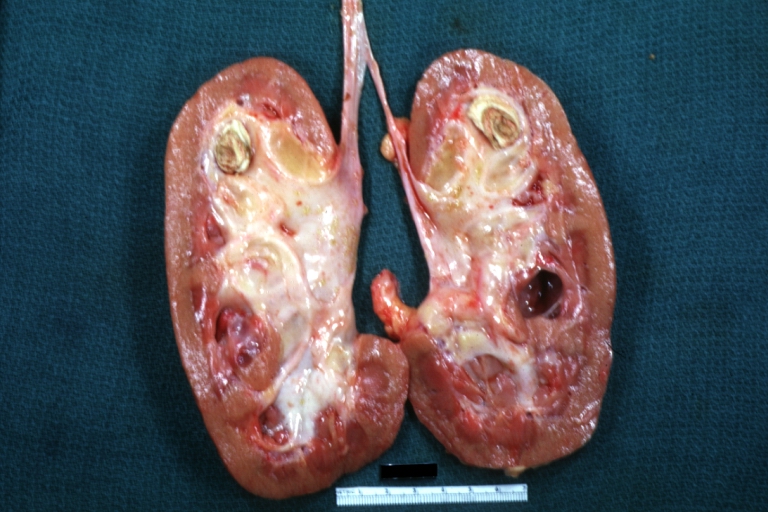
One human kidney, sliced open to reveal hydronephrosis, typically the obstruction of the free flow of urine from the kidney, February 6, 2013. (http://meducation.net).

One human kidney, sliced open to reveal hydronephrosis, typically the obstruction of the free flow of urine from the kidney, February 6, 2013. (http://meducation.net).

Luckily, my mom and her doctors were smart enough to have a specialist from Westchester County Medical Center come in to check out her candidacy for a kidney transplant. He took one look at her labs and realized that she didn’t need a transplant after all. It turned out that my mom’s sodium levels were so low that they had caused the flow of fluids and waste through her kidneys to drop by something like 80 percent. The doctor’s solution was really simple. “Eat baking soda,” he told my mom and her doctors. That was in March ’77.

Two teaspoons of baking soda a day, to be exact. That’s what it took to bring my mom’s kidneys back to life and for my brother and me to finally move toward a more stable home situation at 616 (at least between April ’77 and the Hebrew-Israelite years). It wasn’t that I hated 240 East Third. I just hated what being there meant for us and for my mom.


My Beef With Cory Booker’s Food Stamps Experiment

05 Wednesday Dec 2012

Posted by decollins1969 in 1, Boy @ The Window, culture, Eclectic, Jimme, Marriage, Mount Vernon New York, My Father, New York City, Politics, Pop Culture, race, Work, Youth

≈ Leave a comment

Tags

616, 616 East Lincoln Avenue, Academy for Educational Development, C-Town, Cory Booker, Food Stamps, Food Stamps Experiment, hunger, Newark New Jersey, Nutrition, Omar Wasow, Poverty, Social Safety Net, Social Welfare, Stanford University, Welfare


Cory Booker at the 2011 Time 100 Gala, April 27, 2011. (David Shankbone via Wikipedia). Released to public domain via  Creative Commons Attribution 3.0 license.

Cory Booker at the 2011 Time 100 Gala, April 27, 2011. (David Shankbone via Wikipedia). Released to public domain via Creative Commons Attribution 3.0 license.

I like Cory Booker. I worked with someone at Academy for Educational Development in the mid-00s who told me stories about Booker while she knew him at Stanford and her contact with him over the years. I’ve admired his work in Newark, for the most part, and the fact that he’s been a personable, in-your-face Twitter-accessible mayor who has fought hard for his city over the past decade.

But this week-long “I feel your pain” publicity stunt through living on $30 in food stamps (the SNAP program) seems a bad idea at best, and just plain disingenuous otherwise. Booker’s argument has been the need to raise awareness of how difficult it is to live on food stamps for the most impoverished of us, in Newark or anywhere else in the US. After being critical of Booker’s slumming it via food stamps on Twitter a couple of weeks ago, I received this response from Booker through tech guru and Princeton doctoral candidate Omar Wasow:

“@decollins1969 @corybooker said you can’t love your neighbor if you don’t understand them & you can’t understand w/out shared experience”

Really? I didn’t know that Franklin D. Roosevelt had been homeless, old and sick and out of work before ramming through the Social Security Act of 1935! Or that Lyndon Johnson had been a sharecropper or beaten up for marching to Selma before pushing through the Civil Rights Act of 1964 and Voting Rights Act of 1965!

President Bill Clinton (in context of "I feel your pain" quote), July 23, 2009. (http://dailybail.com).

President Bill Clinton (in context of “I feel your pain” quote), July 23, 2009. (http://dailybail.com).

What worries me, though, more than anything else, is how messiah-like this tweet sounds. It would be a different story if so many politicians and journalists hadn’t run this experiment before (see my post “Slumming Lords Spinning Stories Out Of Suffering” from October ’10). It would be even more different if this experiment really opened up a dialogue on the paltry social safety net and deep poverty. Not to mention the working poor and the millions from the struggling middle class who have fallen into poverty since the start of the Great Recession more than four years ago.

But as someone who’s had way more than one week or one month’s worth of experience with poverty, WIC, welfare checks, case workers with Westchester County Department of Social Services, and of course, food stamps, I actually find these attempts to walk in the shoes of my youth — among millions of others who’ve lived in welfare poverty — insulting on so many levels (see my posts “The Five Sense of Poverty,” “Hunger,” and “Shopping at C-Town“).
Here’s what I lived with between ages twelve and seventeen (October ’82 through August ’87). As the second-oldest child and only other sane person in a household of six, then seven, then eight persons (including my four younger siblings, born between ’79 and ’84), I had many adult responsibilities. I negotiated over the phone with Con Edison and NYNEX/Bell Atlantic when we fell behind on the heat bill or the telephone bill. I walked my mom’s $275 rent check (often three weeks late in ’82 and ’83) over to the super’s office for payment, and usually was at the receiving end of verbal insults and threats for being late.
I went to Waldbaum’s, C-Town and other grocery stores almost every day after school, sometimes three times in one evening (because my mom often forgot items). I also washed clothes with my older brother Darren once a week, watched over my siblings, cooked about one out of every five meals from ’84 until I went off to college in ’87.
Lab mice "Avatars" implanted with cancer to treat cancer, October 5, 2012. (http://danisfoundation.org).

Lab mice “Avatars” implanted with cancer to treat cancer, October 5, 2012. (http://danisfoundation.org).

This is the short list. In doing all of this, especially once we went on welfare in April ’83 (after the birth of my now deceased sister Sarai), I learned a lot about how little Americans thought of the poor, and how little the federal government thought of people like me and my family. The average budget for my mom to raise a family of six kids with a consistently unemployed and wayward idiot (now late) stepfather was a monthly welfare check of $558, $75 in food stamps, and about $50 in WIC benefits.
Even in the best months, it meant a week to ten days with little or no food in the house. Great Northern beans and rice, $5 spaghetti and meat sauce dinners, and days without was a typical month. Unless, of course, my weekly weekend excursions to track down my father Jimme in Mount Vernon, the Bronx and sometimes in Midtown Manhattan at his favorite watering holes yielded enough extra funds to keep me, Darren and my family in food and clean clothes during the leaner times each month at 616.

So, you see Cory Booker, your publicity endeavor really teaches us little about the realities of poverty, hunger and nutrition for the poorest among us, whether in Newark, Mount Vernon, New York or the rest of the US. (Except that you have no experience stretching a dollar). Your food stamps experiment will do what it always does – get the media’s attention. But to understand the embarrassment, the cold stares, the harshness of what I went through and millions like me are going through now? One week and $30 isn’t even close to good enough.

Thanksgiving Family Drama

23 Friday Nov 2012

Posted by decollins1969 in 1, Boy @ The Window, culture, Eclectic, Marriage, Mount Vernon New York, Pop Culture

≈ Leave a comment

Tags

7440 Monticello Street. Turkey Day, Eat'n Park, Family Drama, Father-Son Relationships, German Chocolate Cake, Pittsburgh, Sister-in-Law, Thanksgiving, Thanksgiving 2001


German Chocolate Cake, Thanksgiving Dessert, November 22, 2012. (Donald Earl Collins).

Thanksgiving Day ’12 will go down as the year I finally managed to balance quality and volume for me and my small family of wife and finicky nine-year-old son. I did nearly all of the cooking on Wednesday, starting with the turkey and stuffing at 7:30 am, and ending with mushroom gravy at 11:45 pm. In between, I dropped my son off for school, ran some errands, finished the turkey and stuffing, went for a 5.4-mile run, made the mac and cheese — as well as steak and butternut squash soup (from scratch) for dunch — and finally showered.

Then I made the collard/turnip greens mixture, seasoned ham with brown sugar and butter, super sugary Kool-Aid (first time I’ve made it in two years), iced tea with lemon and German chocolate cake in quick succession. In between, I also made dinner for my son, sorted and wrapped fifteen pounds of meat for the freezer, and did another round of grading for one of my classes. All in all, a very busy day, but it made the mashed potatoes and setting the table yesterday look like nothing by comparison.

Most of my Thanksgivings as an adult have been pretty peaceful. I’ve actually only been back to Mount Vernon for three — count them, three — Thanksgivings since I left for college and Pittsburgh in ’87. One was in ’87, then after the 616 fire in ’95 (see my post “The Fire This Time” from April ’08), and then with me and my family in ’06. At these gatherings, folks were too busy eating to get into serious issues like acne problems of whether someone’s cake was made from scratch or not.

But at my wife’s family’s Thanksgiving gatherings — which I attended or served as sous chef from ’96-’99 and in ’01 — the above issues and more became part of the annual Turkey Day in Pittsburgh. The most elaborate and long-winded of such dinners in Homewood-Brushton was in ’01. It was going to be a doozy right from the start, as I’d agreed to cook virtually all of the Thanksgiving dinner for an estimated twenty-five guests (it turned out to be twenty-eight in all). Me and my wife flew in from DC that Tuesday and wasted no time in buying everything we’d need to make her family’s version of a Thanksgiving meal possible.

Wife’s family and Noah in Pittsburgh, July 15, 2004. (Donald Earl Collins).

My sister-in-law flew in from San Diego the following day, and wasn’t exactly to see us. Or at least, was standoff-ish with me. It was only the third time we’d ever met, and the first time me and my wife had seen her since ’96 (and since we’d married in April ’00). She wasn’t happy having to share her sister with me, among the other issues she had back then.

She found fault with me making a chocolate cake via Duncan Hines instead of completely from scratch, even though I’d also made a twenty-two pound turkey, corn bread, five pounds of collard and turnip greens, five pounds of potatoes, a gallon’s worth of turkey mushroom gravy and stuffing with sausage that Wednesday. It was one of a series of not-so-charming comments from her that week.

Thanksgiving Day wasn’t much better, for us, for my sister-in-law, or for my wife’s extended family. Just after 12:30 pm, “G,” one of my wife’s cousin-in-laws, showed up with his two teenage kids, four hours before we had scheduled ourselves to serve dinner. He reminded me of my now late ex-stepfather, loud, out-of-shape, and ready to eat or fight at a moment’s notice. Between him and my brooding sister-in-law, I was happy to be in a hot kitchen or down in the basement getting furniture while finishing the preparations for dinner.

The dinner itself was a hit, as in-laws, cousins, nieces and nephews went for seconds and thirds between 4:45 and 6:30-ish. Then G suddenly became really loud and obviously angry while watching the Dallas game in the crowded living room. One of his kids had said as a joke to the then forty-nine year-old, “You’re so old, you were born before they built the railroads!” You know, stuff anyone over thirty hears from their kids at least once a week. But for nearly an hour and a half, G smouldered, then yelled, then smouldered some more, as cousins and in-laws tried to step in. He disowned his kids right in front of at least a dozen family members.

The crescendo was between G and his nephew “AA,” the third family member who had attempted to end the situation. AA was telling G to go home, and even offered to take him there. The rest is family strife gold and history.

“Don’t you EVER come to my house!,” G yelled.

“I love you, and…” AA responded.

“If you come to MY house, I’m gonna put you in a body bag!,” G hollered with a death stare.

“Then I’m gonna be in the back of your mind for the rest of your life!,” AA yelled, a bit hurt.

Eat’n Park logo, March 2011. (http://www.printablecoupons.us/).

While that was going on, my sister-in-law suddenly complained to the female contingent at the dining room table, “They never pick up the phone! They screen all of their calls!” That was in reference to me and my wife.

By 9 pm, it was all over, with two disowned kids, a crazy middle-aged man and a gloomy sister-in-law as part of the package deal that was Thanksgiving ’01. All that was left was an awkward Eat’n Park lunch with my sister-in-law that Friday — not exactly “the place for smiles” that day — and her suddenly booking an early return ticket for San Diego for Saturday morning. We had paid for her original round-trip flight, and her new flight cost more than the original ticket. She really wanted to get away!

So despite how tired I’ve been since Thanksgiving morning, I’ll take the peace of mind that comes with a small family and a thankful gathering any day over Thanksgiving ’01 and family drama.

Pregnant Pauses

02 Friday Nov 2012

Posted by decollins1969 in 1, Boy @ The Window, Christianity, culture, Eclectic, Hebrew-Israelite, Marriage, Mount Vernon New York, Pop Culture, Religion, Youth

≈ 1 Comment

Tags

616, 616 East Lincoln Avenue, Abortion, Angelia N. Levy, Boy @ The Window, Choice, decisions, Eri, Family, Fatherhood, Intervention, Maurice Eugene Washington, Mom, Motherhood, Parenthood, Pregnancy, Pro-Choice, Pro-Life, Reproductive Rights, Sarai, Silver Spring, Women's Rights


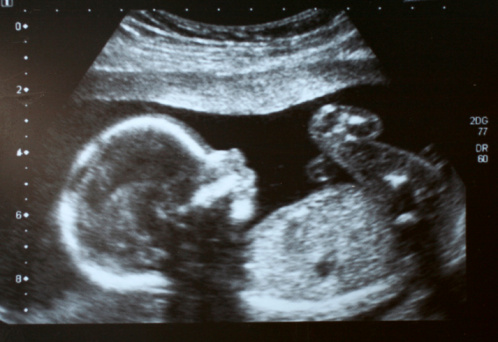
Ultrasound of fetus, 2nd or 3rd Trimester, November 1, 2012. (http://brmh.org).

I agree with President Barack Obama and with so many leading women. Men — especially men in leadership positions — should just shut up when it comes to women’s reproductive rights. Still, my life has given me a unique perspective on a woman’s right to choose, if only because I’ve had little choice as a child and a husband to be involved. I can only say that choice isn’t easy, even for pro-choice males. But I can also say that I knew more about choice at twelve than most men would ever care to know, and more about bringing new life into the world as a result.

The two examples of “the decision” that stand out most for me are twenty Novembers apart, in ’82 and ’02.

A couple of weeks before Thanksgiving ’82, I noticed something about my mother. At a time when we all looked starved, my mother looked round. Her stomach and cheeks were telltale signs. So I asked her, my tweener voice cracking all the while.

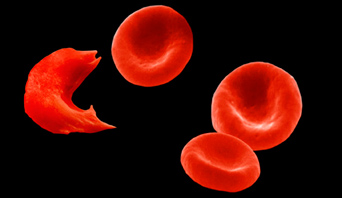
Sickled and normal red blood cells, November 1, 2012. (original source unknown).

“Mom, are you pregnant?!?”

“Yeah, Donald, I’m pregnant,” she sighed.

“What! You got to be kidding! You mean you’re still having sex with him?”

“Watch ya mouth, boy!”

“Mom, what are we going to do? You can’t have a baby, not now, not with all these mouths to feed!”

“Donald, what I’m supposed to do?”

“You need to get an abortion, that’s what!”

“I don’t believe in abortion. It’s against God’s will.”

“Well, we can’t feed the kids that are here now, so how can you feed it? Get an abortion Mom, before it’s too late!”

Before my mother could say anything else, I stormed out for yet another store errand for milk, diapers, and all the things I couldn’t eat. I wanted to cut Maurice’s balls off and shove them down his throat. I wanted to shake Mom until her eyes rolled back in her head. Most of all, I wanted to get her to an abortion clinic yesterday (see my post “The Quest For Work, Past and Present” from August ’12).

That “it” turned out to be my sister Sarai, my late sister, born nearly four months after I came out as a pro-choice feminist and a stress-out Hebrew-Israelite teenager. She lived for twenty-seven years, five months and two days with sickle-cell anemia, without ever knowing I once preferred her not to be born (see my post “My Sister Sarai (Partial Repost)” from July ’10).

Over the next two decades, I’d become so fed up with kids and family, 616 and Mount Vernon and so many things in my life that I once thought that I’d never get married or become a father. The people in my life growing up in Mount Vernon — like my ex-stepfather and the young folks in the neighborhood — refused the responsibility of fatherhood (and in a few cases, motherhood). The idea that there would ever be a child of mine running around without me being in their life made me determined to limit my casual relationships and ensured that I would always have protected sex.

Even after getting married in ’00, I still wasn’t sure if I really wanted a child. Out of any seven-day period, I would’ve been happy to be a dad for four days, and miserable for the other three. I wanted to make sure my wife and me could afford parenthood, that we had the emotional and psychological capacity to take care of any child we brought into this world.

By the middle of ’02, though, it was obvious that my wife wanted to have a child, a son. Coming off of a family intervention, in which my then seventeen-year-old brother Eri had made my mother a grandmother, I was even less excited than I otherwise would’ve been (see my post “Dear Mama (More Like, ‘Dear Mom’)” from October ’09). Still, I loved my wife, and I loved myself enough to think that if I liked the idea of a kid four out of every seven days, it was worth a try.

We didn’t try very long. By Thanksgiving Day ’02, I picked up on my wife’s change of emotions before she did. I had asked her to watch over heavy cream that I was warming up to make a chocolate sauce. The cream wasn’t supposed to boil. It did anyway, as my wife wasn’t paying full attention. Instead of being argumentative with me per usual about my pointing out her lack of attention to detail, she started crying, as if it was the end of the Law & Order franchise. I was startled, and said, “Honey, I think you’re pregnant.” She laughed at first, but as we would eventually find out, I was correct.

It was one of the happiest moments of my life! I had made my wife immeasurably happy, and I found myself wanting something, perhaps for the first time. To be a great father, to live long enough, to be healthy enough, to be productive enough to be the father that I never had growing up.

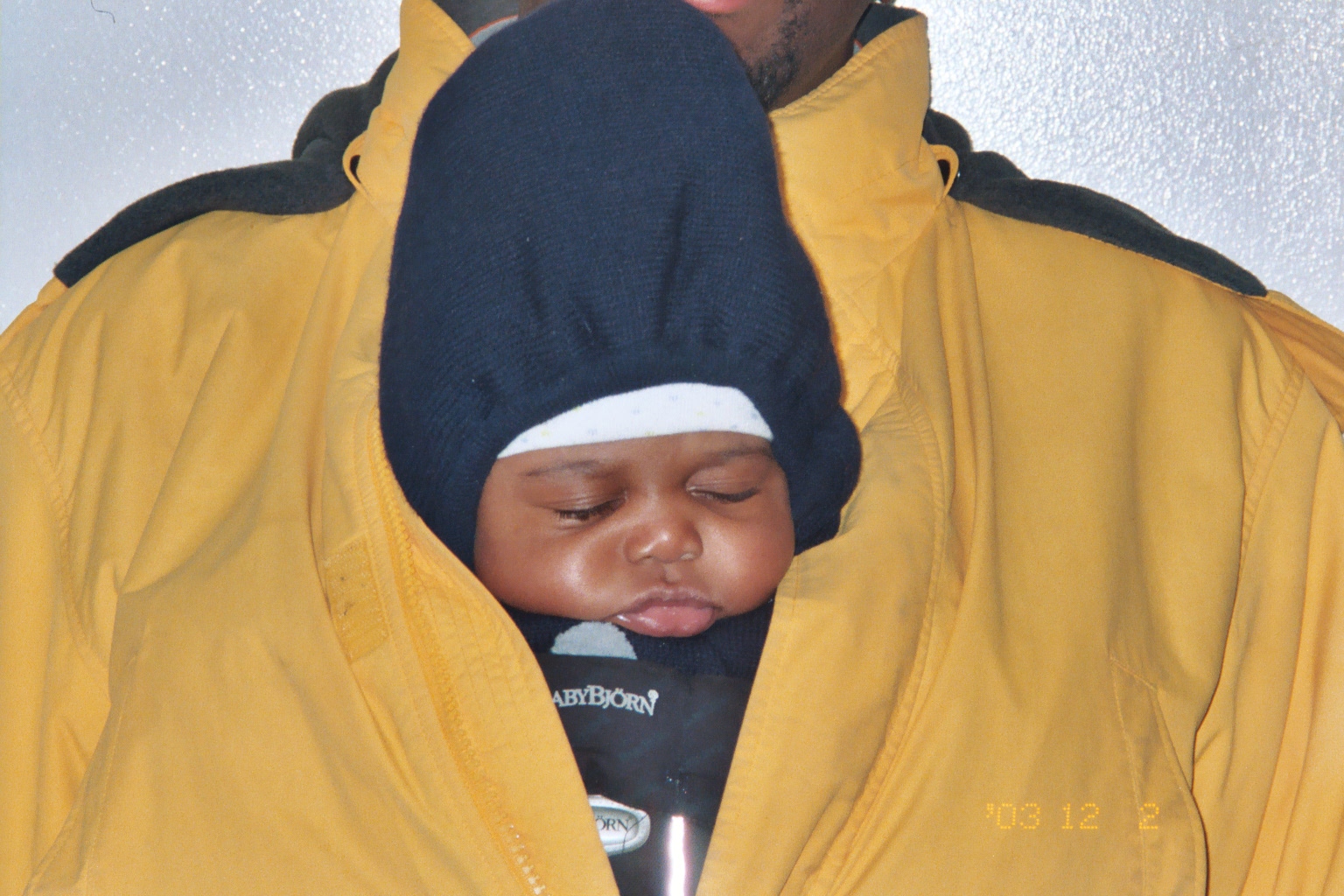
Noah in Baby Bjorn/my parka, Silver Spring, MD, December 3, 2003 (Angelia N. Levy).

If it had turned out that my wife had not wanted to be a mother, and she had become pregnant, and it turned out that she wanted an abortion, I would’ve fully supported her. Not just because I wanted her to be happy, and not just because I’m more firmly pro-choice now than ever. I’ve seen my mother and too many other mothers who’ve made the wrong choices for themselves and their lives.

Life can be long and miserable when making bad decisions, especially when it comes to bringing another life into this world. That anyone would think it a good idea to limit what is already one of the most difficult decisions women and families have to make is anti-Christian and immoral, not to mention just plain stupid.

Irksome American Conversations on Gender & Race With “Impact”

31 Wednesday Oct 2012

Posted by decollins1969 in 1, culture, Eclectic, Marriage, Politics, Pop Culture, race

≈ Leave a comment

Tags

"Impact", "Impacted", American Conversations, Bigotry, Cliches, Discourse, Feminism, Interracial Marriage, Interracial Relationships, News Media, Platitudes, Racism, Social Media, Strong Women


Wonder Woman, October 30, 2012. (http://tvequals.com).

I’ve wanted to write about this one for a few months now. Post-Tropical Cyclone Sandy or not, this one is important to me. The fact that so much of our discourse in traditional media, social media and everyday conversation remains so much more about cliché commentary than about any exploration of the meaning behind the words we say.

I’ve already looked at the laziness that a monopolized media has created in the world of journalism (see my recent post “The Make-Believe Media” from earlier this month). But this is about more than the “both sides do it” media world. It’s about the contradictions between the style in which we use our words and the substance within. The reality behind our words, then, becomes buried, and has made us all a little bit more ignorant in the process.

For me, three random examples stand out:

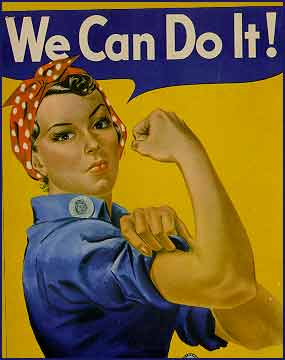
“We Can Do It!” – Rosie the Riveter poster [1942], by J. Howard Miller, October 30, 2012 (Wikipedia). In public domain.

1. “I’m a strong woman” – This could also be “I’m a smart woman,” or “I’m a bitch,” or “I’m a tough woman,” or a hundred other phrases I see every day on Twitter or hear in our public discourse. Even if this is meant to show some sort of feminist solidarity, it seems trite to proclaim strength as part of a conversation about gender (or any other topic, for that matter). I learned my lesson more than thirty years ago, courtesy of Crush #1, at the ripe old age of twelve, to not spend so much of my time telling people how smart I was (see my “Was I Really In Love In 7th Grade?” post from March ’12).

Really, how weird would it sound for me at six-three and 230 pounds to say that “I’m a strong man?” Or in commenting about all the abuse I survived, that “I’m a tough man?” I think that most of us can recognize a strong, tough, intelligent woman without the use of underwhelming language. I think most of us regardless of gender genuinely admire women who are who they are without saying the words all day and every day. To slightly misquote the name of the foundation that Lance Armstrong just stepped down from, just live strong, be strong and stay strong, and tell others females (and occasionally males) to do the same.

2. “Interracial/multiracial marriages are on the rise” = a less racist/post-racial America – Yeah, if there hadn’t been a long history of grossly unequal interracial relationships in this country for the previous two hundred years prior to the late ’80s.  This isn’t to say that the average American citizen isn’t less bigoted or racist than they would’ve been thirty years ago. But a sexual or even marital bond doesn’t automatically mean a lack of prejudice. It certainly doesn’t mean a massive empathy for and participation in social justice and other human rights causes. Just like with any relationship or marriage, people from different ethnic backgrounds can also come together for all the wrong reasons, can be abusive, and can even be racist.

Mildred Loving and Richard Loving (famous for landmark Supreme Court Loving v. Virginia (1967) miscegnation case), January 26, 1965. (AP). Qualifies as fair use under US Copyright laws – subject of post and no other photos available.

Making an exception for a few Whites, Blacks, Latinos or Asians as an individual doesn’t mean that one doesn’t generally view Whites as racist, Blacks as intellectually inferior, Latinos as “illegals” or Asians as “model minorities.” The fact that interracial marriages have been on the rise for nearly thirty years merely proves that the taboo against these marriages has broken down, not that the nation isn’t divided around the issue of race.

Manny Pacquiao v. Antonio Margarito (true meaning of the verb “impact”), Arlington, TX, November 13, 2010. (AP via http://9run.ca).

3. The growing use of impact as a verb and an adverb: Whether “impact,” “impacted,” “impacting,” or “impactful,” most of the time, this term is used incorrectly, especially in terms of politics. Take the use of impact during the 2012 Presidential Election cycle. “Nothing has impacted the 2012 race more than Romney’s 47% tape.” Really? Did someone take the recording and literally hit Mitt Romney in the head with it until he was rendered unconscious? If that didn’t occur, then the correct sentence would be “Nothing has had more of an impact on the 2012 race than Romney’s 47% tape.”

It’s as if journalists, reporters, pundits, commentators, intellectuals and scholars have forgotten that there are other, better words in the English language to use than impact. Like “affect,” or “effect,” or “influence,” or “sway,” or “transform,” or “change.” There are NFL color commentators and WWE announcers who use the word impact more correctly than most in the news and social media worlds. But this incorrect overuse is apparently here to stay, affecting and infecting our already ignorant use of language.

All of these uses of language irk me, because if we are to ever have real discussions of serious issues, we need our language to have real substance to it. Not just platitudes and clichés that wouldn’t survive Fashion Avenue if they took the form of a dress.

The Life of Mary Louise

28 Sunday Oct 2012

Posted by decollins1969 in 1, Boy @ The Window, Christianity, culture, Eclectic, Hebrew-Israelite, Marriage, Mount Vernon New York, New York City, Politics, race, Religion, Work, Youth

≈ 2 Comments

Tags

616, 616 East Lincoln Avenue, Bradley Arkansas, Depression, Faith, Gill Family, Happiness, Homelessness, Jim Crow, Joblessness, Mary Louise Gill, Mount Vernon Hospital, Resilience, Self-Awareness, Self-Loathing, Self-Reflection, Sixty-Fifth Birthday, Underemployment, unemployment, Welfare


My Mom, Thanksgiving 2006, Mount Vernon, NY. (Donald Earl Collins).

Today, my mother turns sixty-five years old. My mom has now officially hit elderly status, which reads and sounds so weird, considering that she’s only twenty-two years and two months older than me. That Mom’s here at all at sixty-five is really a not-so-minor miracle, considering how hard her life’s been from day one in ’47.

This was what I wrote about my mother’s first thirty-five and a half years of her life, courtesy of Boy @ The Window:

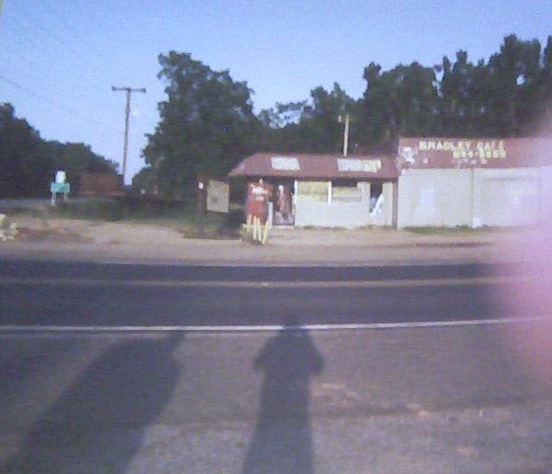
Bradley, Arkansas main road (Route 29) with me and my Uncle Charles in the shadows, June 2, 2001. (Donald Earl Collins).

Mom came from a long line of folk whose lives were hard and impossible ones, where they  couldn’t take handouts even if they wanted to. She was born to Samuel and Beulah Gill in October ’47, their first of twelve children and her father’s second overall child of thirteen. The Gills of Bradley, Arkansas were tenant farmers who lived in the Red River valley in the southwest corner of the state and five miles north of the Arkansas-Louisiana border. The town was a one-flashing- yellow-light-four-corner one. Just over five hundred people lived there, with farms, shotgun houses, and ranch-style homes neatly segregated between a few affluent Whites, lots of po’ White trash and the abundantly poor Black side of town. The conditions she grew up in included corrugated tin roofs and outhouses to boot.

Being born into this family in the late-’40s meant that Mom’s life would be a difficult and emotionally tortured one. She started doing household chores when she was five, helping with her siblings when she was six, and graduated to hoeing and picking cotton by the time she was eight. There wasn’t the time, energy, and experience in the household for Mom to receive any affection or nurturing.

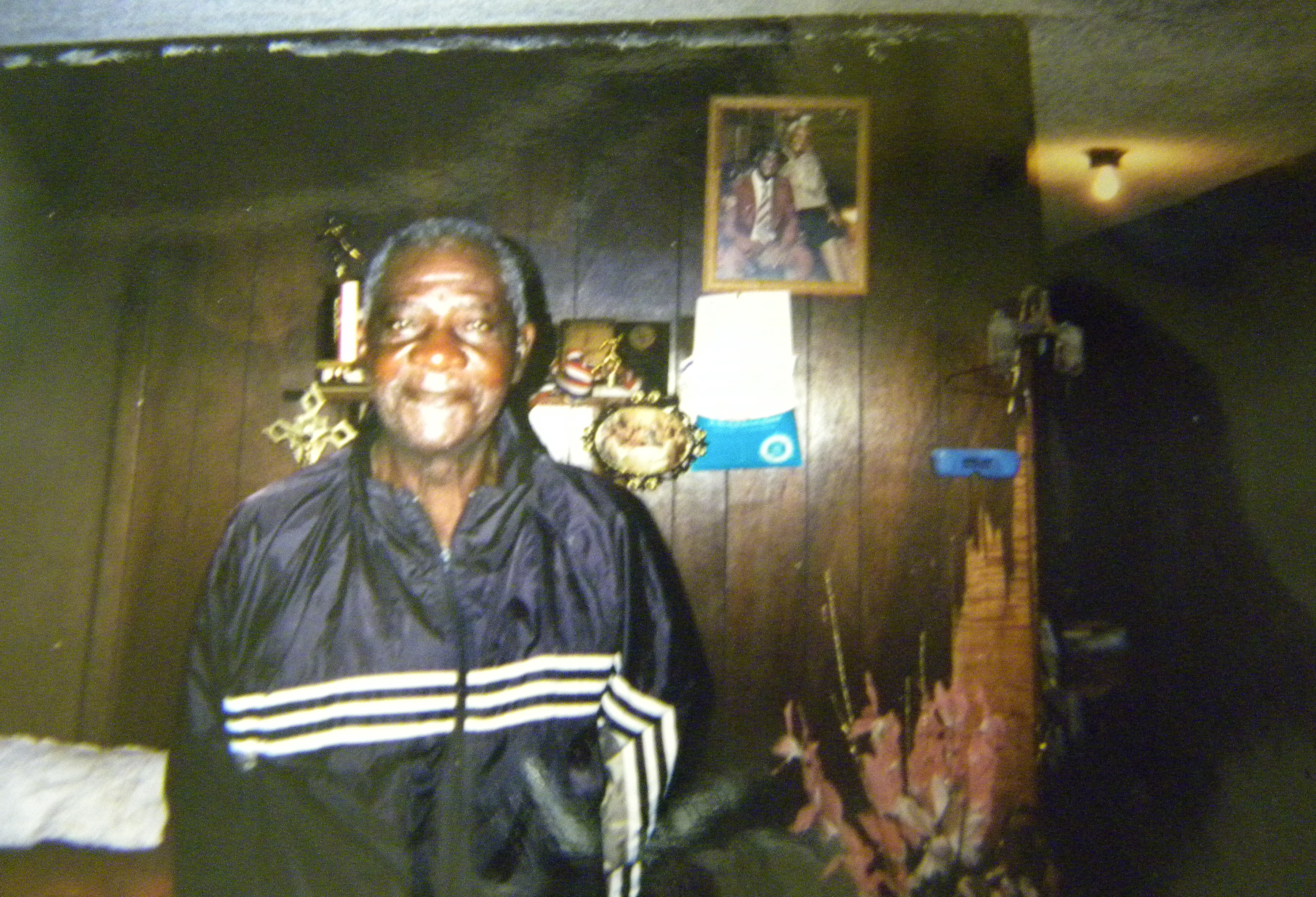
My maternal grandfather Sam Gill, Sr. (82 at the time, 93 now), Bradley, AR, June 2, 2001. (Donald Earl Collins).

With all that and her mother’s constant neglect and occasional abuse — she was once beat with the back of a hair brush for not getting ready for church on time — it’s amazing that Mom wanted to get married or have kids. Yet I knew that what little nurturing and affection Mom received came from her great-grandmother, her aunt, and high school basketball. All served that role as Mom grew into an attractive six-foot woman. Her great-grandmother, half-Choctaw and half-Irish and originally from Indian Territory (now Oklahoma), taught Mom to see herself as beautiful despite her dark complexion. Her Texarkana, Texas aunt taught Mom her basic adult survival skills. And high school basketball took her as a senior to the segregated state quarterfinals in ’65, an amazing feat to say the least.

Still, it was a hard life, one that Mom had vowed she’d never live again. That’s why she moved to New York in the first place. I’d heard these stories for years, and like her, I believed that our lives would get better through sheer hard work. Welfare was never to be something we would live with.

After nearly seventeen years in the New York area, never had all but finally arrived. She had spent my whole life up to that point telling us not to take “handouts,” that she’d “never be on welfare.”

By her thirty-fifth birthday at the end of October ’82, my mother no longer had full-time work at Mount Vernon Hospital, with her hours cut and four mouths to feed. That weekend, all we had left to eat in our two-refrigerator kitchen was a box of Duncan Hines’ Devil’s Food cake mix, Pillsbury All-Purpose Flour, and some sugar. That Saturday and Sunday, we truly ate like Torah-era Jews. Mom made us pancakes out of the flour, without baking powder, eggs or milk, and cooked down some sugar in water to make us a crude
glucose syrup.

Between an abusive Maurice for a husband, the loss of an already insufficient income after not joining her union in a strike, and two toddler-age kids (and another one on the way), the period between May ’82 and April ’83 was probably one of the lowest points in her life.

As I’ve realized over the years, though, Mom’s life was always hard. It was simply a matter of degrees, not of distinction or difference. The mistake of marrying Maurice, becoming a scab (see my post “The Quest For Work, Past and Present” from August ’12) and leaving my older brother Darren at The Clearview School for fourteen years has had an impact on all of our lives to this day. Just as much as fourteen years on welfare, the three-year-long loss of our home at 616 in the ’90s (see post “The Fire This Time” from April ’08 for more) and my late sister Sarai’s twenty-seven year-long struggle with sickle-cell anemia. “Wow” is only the beginning of a description of calamity that has been my mother’s life, about as long as the first hundred digits after 3.14.

What’s made the difference? My mother’s belief in God or Jesus? Her general sense of resilience? Her uncanny ability to deny reality and frequent lack of self-reflection? But I’d say that Mom has learned to expect little from this world and, unfortunately, even less for herself. She often expected the worst, and then being surprised at how not-so-bad “the worst”  was, could continue to soldier on.

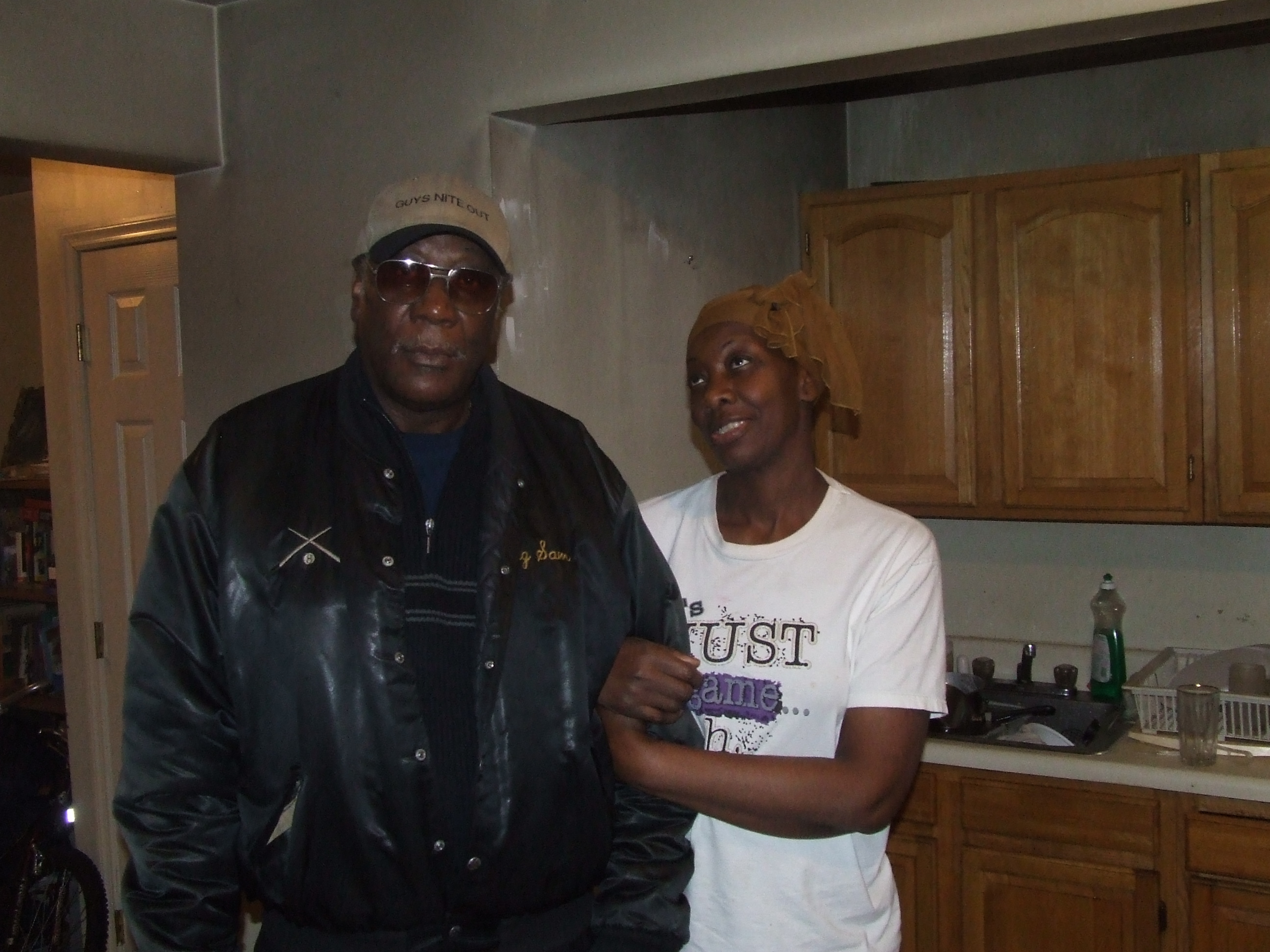
My Mom and my Uncle Sam Gill, Jr., Mount Vernon, NY, November 23, 2006. (Donald Earl Collins).

So I wish my mother a happy sixty-fifth birthday. One in which she can just spend the day at her church in New Rochelle, and then just rest and be. Only one of my siblings lives at 616 these days, and apparently spends more time out and about than he does at home. So, I hope my mother can relax, knowing that she has endured all the evil that this world could throw at her, and despite her view of life, has come out on the other side, badly damaged, but still here.

Coping in the Boy @ The Window World

06 Saturday Oct 2012

Posted by decollins1969 in 1, Boy @ The Window, Christianity, culture, earth, wind & fire, Eclectic, eclectic music, Marriage, Mount Vernon High School, Mount Vernon New York, music, Politics, Pop Culture, race, Religion, Sports, Youth

≈ 1 Comment

Tags

"Owner Of A Lonely Heart", Battlestar Galactica, Battlestar Galactica (2004 series), Coping Strategies, Fantasy, Football, Humanities, Imagination, Inner Vision, Inner World, New York Giants, New York Knicks, New York Mets, Psychology, Self-Discovery, Touré, Who's Afraid of Post-Blackness (2011), Yes


Gaius Baltar tortured/in imagination (merged pics), Battlestar Galactica, October 6, 2012. Qualifies as fair use under US Copyright laws – low res (1st picture) and merged rendering.

“A wide receiver tiptoeing the sideline of a football field after making an acrobatic catch, barely keeping his left foot in-bounds by tapping his big toe in the two inches of space between the grass and the thick white line in front of him. A note in a song that is so inspiring, so well-balanced between rhythm and harmony, so well sung that the hairs on my neck stand up and my spirit feels like soaring.” This is what I wrote in the first paragraph of the preface (which I need to revise yet again, by the way) to my Boy @ The Window manuscript.

In context, I was writing about the infinitesimal decisions and actions that could’ve added up to success or failure for me growing up in those dismal days and years. But I could’ve just as easily been writing about what imaginations and fantasies went through my head growing up to make my inner world more powerful than anything I saw and experienced in the real world. Much of Boy @ The Window is about how I coped, good, bad and ugly (see my posts “Peanuts Land” from April ’12 and “Mr. Mister’s ‘Kyrie’” from March ’11 for more).

How I coped through imagination, inner projection and fantasy changed during the worst of my preteen and post-puberty years. I went from imagining and acting out an entire city, nation-state and culture in my room to the need for an internal world that couldn’t be taken apart by abuse, poverty and isolation. Ultimately it came for me in the form of the everyday things I either already liked or was on the cusp of liking. I already enjoyed a wide variety of music by the fall of ’82. Once I became a sports fan and occasional sports participant, those images and achievements became part of my inner movie and soundtrack.

It became a partnership that I eventually learned to conjure up at will, that became part of my residual sleeping state, that made the madness of 616, MVHS and Mount Vernon, New York dissolve into background noise.

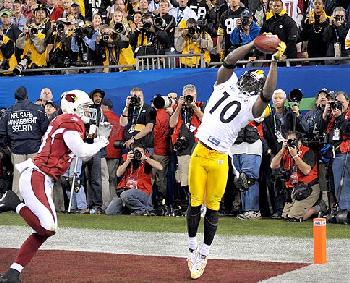
Santonio Holmes’ Super Bowl XLIII game-winning catch, Tampa, FL, February 1, 2009. (http://bleacherreport.com).

It meant, though, that watching a Mets, Giants or Knicks game or listening to Earth, Wind & Fire wasn’t a simple casual experience. It involved rooting for the underdog, which in turn meant rooting for myself. It included the synching of home runs, touchdown passes and three-pointers to guitar riffs, crescendos and other highlights in a particular song or series of songs. It meant that my imagination became itself a fully dedicated line for coping with stress, checking anger, solving problems, and seeing my world the way I chose to see it, rather than the way my world actually was.

Take one of my favorite songs as a teenager, Yes’ “Owner Of A Lonely Heart” (1983). It wasn’t just the fact that I actually felt lonely and could relate to the song. When I heard the song, I could see myself running a screen play in football, following a group of well set-up blockers all the way to the end zone for a touchdown. I could relate emotionally, because the song was about me as an underdog, because of my unrequited love for Crush #1, because I now knew what a screen pass was. It made existential philosophy easier for me to understand my senior year of high school in my AP English and Philosophy classes.

“Owner Of A Lonely Heart” also reminded me to never “concede my free will,” even when my now ex-stepfather Maurice’s fists met my face and teeth and ribs at fifteen and sixteen. Like a scene from the ’00s Battlestar Galactica involving Gaius Baltar or Caprica Six, I often projected a view of the world I wanted over whatever was going on in reality. Going the mile or so between 616 and the C-Town in Pelham could either be a chance for me to catch a long touchdown pass or for me to figure out to which colleges I should apply.

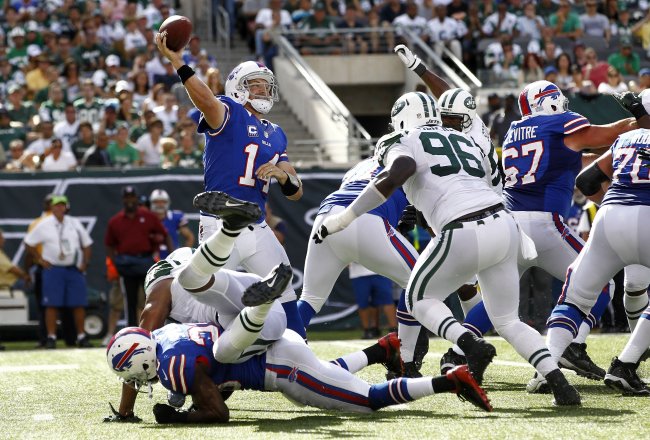
Ryan Fitzpatrick of Buffalo Bills v. NY Jets, in rare protection against blitz while in pocket, October 6, 2012. (http://bleacherreport.com).

Sometimes, if I allowed myself to slip deeply enough, like, in the moments before an exam, I could use a buildup point in the song to bring in an extra blocking tight end to run a max-protect play. I’d snap the ball, send three receivers on one side of the defense, and wait just long enough for one to cross before delivering a perfect pass that allowed my receiver to split the secondary for a long score. All while taking a hit in my right ribs and being knocked down to the turf, just a quarter-second after my index finger’s come off the ball, giving it a smoother spiral rotation while in flight. And so many times, that re-visioning of my world made it so that my natural ability to remember everything and discern many things resulted in very good grades, solid performances, and a balancing act that made life at 616 and MVHS just bearable enough.

I was reminded of how often my mind went down this road by Touré’s Who’s Afraid of Post-Blackness (which I blogged about earlier this week), particularly his chapter on imagination and art, “Keep It Real Is a Prison.” Except that my mind does still go there sometimes. Usually as I’m about to give a speech, or while running a five-miler, drilling a three or driving. Or in writing something for publication, like Boy @ The Window.

← Older posts
Newer posts →

Boy @ The Window: A Memoir

Boy @ The Window: A Memoir

Places to Buy/Download Boy @ The Window

There's a few ways in which you can read excerpts of, borrow and/or purchase and download Boy @ The Window. There's the trade paperback edition of Boy @ The Window, available for purchase via Amazon.com at http://www.amazon.com/Boy-Window-Donald-Earl-Collins/dp/0989256138/

There's also a Kindle edition on Amazon.com. The enhanced edition can be read only with Kindle Fire, an iPad or a full-color tablet. The links to the enhanced edition through Apple's iBookstore and the Barnes & Noble NOOK edition are below. The link to the Amazon Kindle version is also immediately below:

scr2555-proj697-a-kindle-logo-rgb-lg

Boy @ The Window on Amazon.com: http://www.amazon.com/Boy-The-Window-Memoir-ebook/dp/B00CD95FBU/

iBookstore-logo-300x100

Boy @ The Window on Apple's iBookstore: https://itunes.apple.com/us/book/boy-the-window/id643768275?ls=1

Barnes & Noble (bn.com) logo, June 26, 2013. (http://www.logotypes101.com).

Boy @ The Window on Barnes & Noble: http://www.barnesandnoble.com/w/boy-the-window-donald-earl-collins/1115182183?ean=2940016741567

You can also add, read and review Boy @ The Window on Goodreads.com. Just click on the button below:

Boy @ The Window

Twitter Updates

Tweets by decollins1969
  • RSS - Posts
  • RSS - Comments

Archives

  • June 2025
  • April 2023
  • September 2022
  • August 2022
  • July 2022
  • June 2022
  • May 2022
  • April 2022
  • March 2022
  • January 2022
  • December 2021
  • November 2021
  • October 2021
  • September 2021
  • August 2021
  • July 2021
  • June 2021
  • April 2021
  • March 2021
  • February 2021
  • January 2021
  • December 2020
  • November 2020
  • October 2020
  • September 2020
  • August 2020
  • July 2020
  • May 2020
  • April 2020
  • March 2020
  • January 2020
  • December 2019
  • November 2019
  • August 2019
  • July 2019
  • June 2019
  • May 2019
  • April 2019
  • March 2019
  • February 2019
  • January 2019
  • December 2018
  • November 2018
  • October 2018
  • September 2018
  • August 2018
  • July 2018
  • June 2018
  • May 2018
  • March 2018
  • February 2018
  • January 2018
  • December 2017
  • November 2017
  • October 2017
  • September 2017
  • August 2017
  • July 2017
  • June 2017
  • May 2017
  • April 2017
  • March 2017
  • February 2017
  • January 2017
  • December 2016
  • November 2016
  • October 2016
  • September 2016
  • August 2016
  • July 2016
  • June 2016
  • May 2016
  • April 2016
  • March 2016
  • February 2016
  • January 2016
  • December 2015
  • November 2015
  • October 2015
  • September 2015
  • August 2015
  • July 2015
  • June 2015
  • May 2015
  • April 2015
  • March 2015
  • February 2015
  • January 2015
  • December 2014
  • November 2014
  • October 2014
  • September 2014
  • August 2014
  • July 2014
  • June 2014
  • May 2014
  • April 2014
  • March 2014
  • February 2014
  • January 2014
  • December 2013
  • November 2013
  • October 2013
  • September 2013
  • August 2013
  • July 2013
  • June 2013
  • May 2013
  • April 2013
  • March 2013
  • February 2013
  • January 2013
  • December 2012
  • November 2012
  • October 2012
  • September 2012
  • August 2012
  • July 2012
  • June 2012
  • May 2012
  • April 2012
  • March 2012
  • February 2012
  • January 2012
  • December 2011
  • November 2011
  • October 2011
  • September 2011
  • August 2011
  • July 2011
  • June 2011
  • May 2011
  • April 2011
  • March 2011
  • February 2011
  • January 2011
  • December 2010
  • November 2010
  • October 2010
  • September 2010
  • August 2010
  • July 2010
  • June 2010
  • May 2010
  • April 2010
  • March 2010
  • February 2010
  • January 2010
  • December 2009
  • November 2009
  • October 2009
  • September 2009
  • August 2009
  • July 2009
  • June 2009
  • May 2009
  • April 2009
  • March 2009
  • February 2009
  • January 2009
  • December 2008
  • November 2008
  • October 2008
  • September 2008
  • August 2008
  • July 2008
  • June 2008
  • May 2008
  • April 2008
  • March 2008
  • February 2008
  • January 2008
  • December 2007
  • November 2007
  • October 2007
  • September 2007
  • August 2007
  • July 2007
  • June 2007

Recent Comments

MaryPena's avatarMaryPena on My Day of Atonement/Bitter Hat…
decollins1969's avatardecollins1969 on No Good Teaching Deed Goes…
Mary Rose O’Connell's avatarMary Rose O’Connell on No Good Teaching Deed Goes…

NetworkedBlogs on Facebook

NetworkedBlogs
Blog:
Notes From a Boy @ The Window
Topics:
My Life, Culture & Education, Politics & Goofyness
 
Follow my blog

616 616 East Lincoln Avenue A.B. Davis Middle School Abuse Academia Academy for Educational Development AED Afrocentricity American Narcissism Authenticity Bigotry Blackness Boy @ The Window Carnegie Mellon University Child Abuse Class of 1987 CMU Coping Strategies Crush #1 Crush #2 Death Disillusionment Diversity Domestic Violence Economic Inequality Education Family Friendship Friendships Graduate School Hebrew-Israelites High-Stakes Testing Higher Education History Homelessness Humanities Humanities Program Hypocrisy Internalized Racism Jealousy Joe Trotter Joe William Trotter Jr. K-12 Education Love Manhood Maurice Eugene Washington Maurice Washington Misogyny Mother-Son Relationship Mount Vernon High School Mount Vernon New York Mount Vernon public schools Multiculturalism MVHS Narcissism NFL Pitt Pittsburgh Politics of Education Poverty President Barack Obama Race Racial Stereotypes Racism Relationships Self-Awareness Self-Discovery Self-Reflection Sexism Social Justice Teaching and Learning University of Pittsburgh Violence Whiteness Writing

Top Rated

Blog at WordPress.com.

  • Subscribe Subscribed
    • Notes from a Boy @ The Window
    • Join 103 other subscribers
    • Already have a WordPress.com account? Log in now.
    • Notes from a Boy @ The Window
    • Subscribe Subscribed
    • Sign up
    • Log in
    • Report this content
    • View site in Reader
    • Manage subscriptions
    • Collapse this bar
 

Loading Comments...