• About Me
  • Other Writings
  • Interview Clips
  • All About Me: American Racism, American Narcissism, and the Conversation America Can’t Have
  • Video Clips
  • Boy @ The Window Pictures
  • Boy @ The Window Theme Music

Notes from a Boy @ The Window

~

Notes from a Boy @ The Window

Tag Archives: Joe Trotter

My Friend Matt

07 Friday Sep 2012

Posted by decollins1969 in 1, Academia, Boy @ The Window, culture, Eclectic, Politics, Pop Culture, race, Youth

≈ 2 Comments

Tags

African American History, Beavis and Butt-head, Bedtime Stories, Boston Market, Burden of Success, Canasta, Carnegie Mellon University, Friendship, Graduate School, Joe Trotter, Matt, Pitt, Pressures, University of Pittsburgh
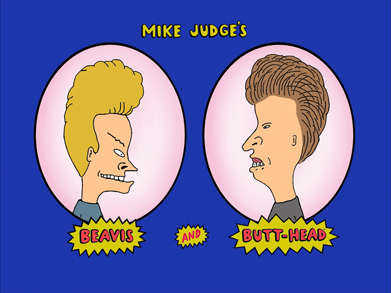

Beavis and Butt-head titlecard, May 21, 2012. (Nerd 101 via Wikipedia). Qualifies as fair use under US Copyright laws due to image’s low resolution.

Over the past couple of years, one of my son’s favorite bedtime stories has been about a character I named Matt (see my post “Crush #1 and Other Bedtime Stories” from July ’10). Having a friend with superhuman farts or a friend who belts out ’80s pop tunes while beating up some of the other characters isn’t exactly based on my growing up experience. In the case of Matt, his character was one that always over-explained things — like why 2+2=4 — and wanted to play Canasta in the middle of a basketball game.

Buried in all the ridiculousness and hyperbole around the character was a real-life friend named Matt, whom I met twenty years ago this month. Matt was in my African American History graduate seminar at Carnegie Mellon University in the fall of ’92. I took the course on the advice of my eventual advisor Joe Trotter, whom I had met that spring at my first academic conference at Lincoln University (see my “Meeting Joe Trotter” post from May ’12). I decided to take the course because my history grad program at Pitt didn’t have anything close to a course on Black historiography. In fact, I couldn’t find a course that would even approximate a graduate seminar in African American studies at the University of Pittsburgh in ’92.

I was one of seven students in the course, with two women (one of whom was Black and in her thirties) and three young White males, though not as young as twenty-two year-old me. And there was Matt, the first Black male I’d seen in either my own or Carnegie Mellon’s History PhD who wasn’t me. What I noticed immediately was the fact that in our Tuesday 9:30-12:30 course, Matt was the only one who spent the first two hours leafing through the one or two books and five articles we were to read every single week. Leafing, because as it turned out, Matt had already finished all of his coursework for the doctorate. He was auditing the course, and rarely read anything for the seminar in advance.

Carnegie Mellon University logo, June 27, 2012. (Abrio via Wikipedia). In public domain.

That’s what I learned when we had our first lunch together in the cafeteria of University of Pittsburgh Medical Center, where I could get a cheap lunch before or after shooting hoops. It was then that I also noticed something peculiar about Matt. He chewed his food with his mouth half-open, where if I looked too closely, I’d notice the mix of saliva, wild rice, green beans and chicken breast being crushed by his raptor-like teeth. I never knew anyone over twelve, much less someone approaching forty, who didn’t know how to chew with their mouth closed until I’d met Matt.

Despite my observation of some weird tendencies, I found my first conversations with Matt to be exhilarating. I simply hadn’t been around anyone in my graduate school experience aside from a professor or two who was as knowledgeable about American and African American history, politics and culture as Matt. That, and the fact that he had worked in the community development corporation world as a community organizer made him an atypical graduate student, even compared to the other older perpetual-student-graduates I’d known over the previous five years.

I learned from our eatery outings — especially after the first Boston Market in Pittsburgh opened in Squirrel Hill in mid-September — that Matt was the younger son of two prominent Black/Afro-Caribbean parents, both of whom were in the social work field, both of whom had doctorates, both of whom were prominent on Pitt’s campus. His father, of course, was also an ordained minister. I could only imagine the kind of pressure that would’ve put on Matt over the years to do something meaningful with his life.

Canasta, May 31, 2007. (Roland Scheicher via Wikipedia). Released to public domain by author.

The one political argument that Matt made during the fall presidential election cycle in ’92 was the need for serious campaign finance reform. Remember, this was a good four years before McCain-Feingold, which has since of course been shredded by the Supreme Court’s Citizens United decision. Aside from that, most of what we agreed on were issues of interpretation in African American historiography and the fact that two of our classmates, Mark and Mike, were the ultimate brown-nosers. They kissed butt at times like their lives depended on it, leading to heated arguments in our seminar every week. The fact that they thought Fogel and Engelmann’s Time on the Cross (1974) was a great work on slavery said it all on these future neo-cons.

Still, while I found Matt’s contrarian Beavis and Butt-head view of the world interesting at times, I also realized that Matt spent an amazing amount of time talking. At Hillman Library, in front of William Pitt Union, in the halls of Baker Hall, at Boston Market. And as I’d learn later on, there was a great distance between Matt’s interesting and sometimes great ideas and the hard work needed to put them on paper for a committee or to put them in action in his own life.
Defining Loyalty

16 Thursday Aug 2012

Posted by decollins1969 in 1, Academia, Boy @ The Window, Christianity, culture, Eclectic, Patriotism, Politics, Pop Culture, race, Religion, Work, Youth

≈ 6 Comments

Tags

Carnegie Mellon University, Collaboration, Contradictions, Covenant Church of Pittsburgh, Integrity, job interview, Joe Trotter, Ken, Lap Dog, Mitt Romney, New Voices Fellowship Program, Paul Ryan, Synergy, Vision, Yes-Man


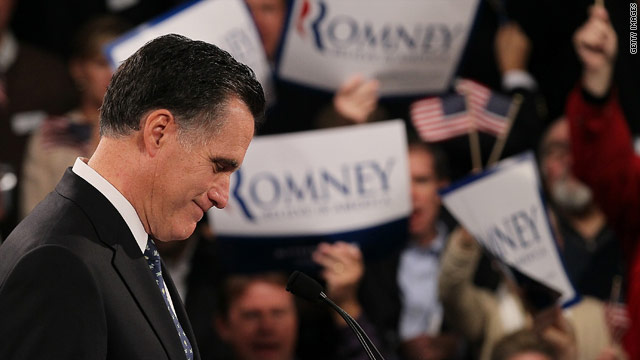
Gov. Mitt Romney and ‘blind trust,’ June 7, 2012. (http://politicalticker.blogs.cnn.com).

One of any number of concepts I’ve had trouble wrapping my head and heart around over the years has been loyalty. At least, what others in my life have defined as loyalty. For the most part, loyalty for the vast majority of these folk has meant surrounding themselves with yes-men and yes-women, to have people around them who’d prefer the method of going along to get along. True loyalty, of course, is more about supporting a person and their ideals, ideas, calling and purpose, and not just agreeing with their every word and deed, no matter the contradictions, no matter who it hurts.

I’ve seen it in my own life, so many times, in high school, college, grad school, academia, the nonprofit world, and in church. Over and over again, people who believe that leadership means everyone should fall in line and follow someone else’s vision, without question or contribution. It’s the ultimate form of American entitlement, the one thing that all people in authority — secular or spiritual — have in common in our society and culture.

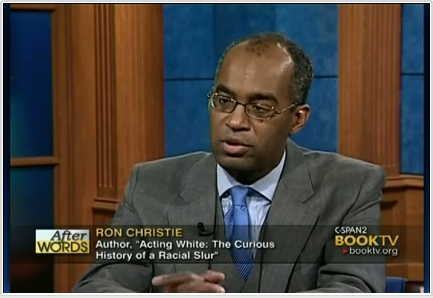
Republican operative Ron Christie, the ultimate yes-man, November 9, 2010. (http://c-spanvideo.org). In public domain.

One example of this was my former boss Ken, who complained about what he claimed was my lack of loyalty to the New Voices Fellowship Program when I made the decision to move on to another position at the end of ’03. He talked about loyalty as if I was a feral dog who needed to be broken and tamed in order to be useful. I said that loyalty “isn’t just about the person, it’s about the work that needs to be done.”

But I’d go a step further than that now. Loyalty in the workplace requires not only the ability of two or more individuals to trust each others’ judgment and quality of work. It also requires a synergy of vision, a sense of purpose that obligates the people in question to provide transparency, constant communication and certainly criticism in the journey to make any vision a reality.

I remembered this a few years after moving on from New Voices, at an interview I had with the head of the Center of Africana Studies at the University of Pennsylvania. He began with the question, “So how are you going to contribute to my vision of building the kind of world-class center that will attract the attention of scholarship everywhere?” The director lost me with his emphasis on “my vision.” I’m thinking, “I don’t know you, but somehow, I’m supposed to trust your vision purely because you say so. Are you kidding me? I’m to be loyal to you just because — you’re Black, you’re a decade older than me, you’re at an Ivy League university? Really?” To this day, that was the weirdest interview in which I’d ever been a part.

I saw this also at the church to which I’d been a member of the longest in my adult life, Covenant Church of Pittsburgh (which was in Wilkinsburg, by the way). From ’91 to ’97, I attended services, was part of the men’s choir, tutored high school students and went on retreats. I sometimes turned a blind eye to the occasional hypocrisy around sex, money and marriage in sermons versus what I actually witnessed.

One February ’97 Sunday after I finished a year’s worth of battles with my dissertation advisor Joe Trotter — another person who wanted my false sense of loyalty (see my “Running Interference” post from April ’11)  — I couldn’t take it at CCOP anymore. After a month-long drive to raise $250,000 above our normal tithes and offerings to buy a plot of land to build a megachurch in Monroeville, our pastor made an announcement and delivered a fiery sermon. The announcement was that God had told him to now up the ante to a three-million dollar campaign for money to build the church on this new property.

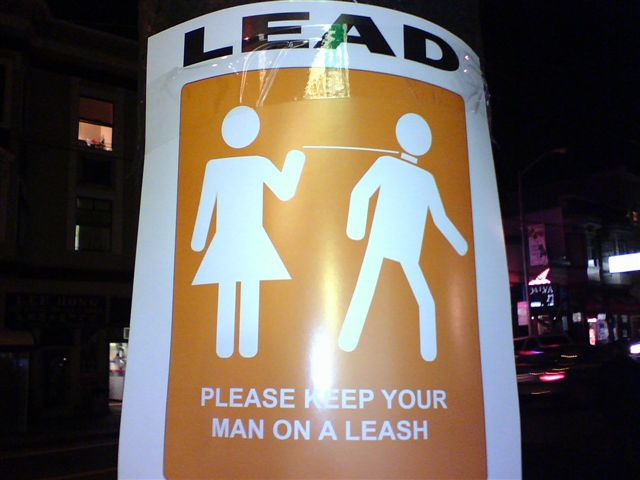
Man on a leash, June 12, 2010. (dtoy2009 via Flickr.com). In public domain.

Before I had time or faith to absorb that bit of information, my pastor delivered a forty-five minute sermon that blamed Wilkinsburg’s fifty-percent unemployment rate, gang violence and despair on “homosexuals and whoremongers.” I’d heard other statements and similar sermons like this before, but not for nearly an hour, not after an appeal to worshippers to give more than one-tenth of their gross income to CCOP for a new church.

I knew for a fact that some of my fellow CCOP members were giving as much as one-fifth of their disposable income already. I also knew that their were some CCOP members who were in the closet. To require loyalty to a vision without building a consensus on such, while also denigrating the very people from whom you demand loyalty was just downright disgusting to me. So I left CCOP, never to return.

This year’s presidential election cycle, particularly on the GOP/TPer side, seems to demand the same kind of blind loyalty that my former boss, potential boss, former dissertation advisor and former pastor all wanted from me or people like me. I learned a long time ago, though, that what people like Mitt Romney and Paul Ryan want isn’t loyalty. They want lap dogs, people willing to overlook their own interests in order to help them achieve theirs.

After The Fall

18 Friday May 2012

Posted by decollins1969 in 1, Academia, Boy @ The Window, Eclectic, Mount Vernon New York, New York City, Politics, race, Youth

≈ Leave a comment

Tags

6007 Penn Circle South, Angelia N. Levy, Betrayal, Bitterness, Carnegie Mellon University, Contaminated Food, Disappointment, Emotional Wreck, Gastrointestinal Illness, Heartbroken, Joe Trotter, Maurice Eugene Washington, Maurice Washington, My Mother, PhD Graduation, Pittsburgh, Rage, Summer of Abuse


The planet Caprica under nuclear attack, Battlestar Galactica (2003), September 28, 2011. (Gary Hutzel/SyFy Channel via http://soundonsight.org). Qualifies as fair use under US Copyright laws because of low resolution of picture.

Fifteen years ago this date, I officially graduated from Carnegie Mellon University with my PhD, no thanks to Carnegie Mellon itself (see my post “The Audacity of Youth, Grad School Style” from August ’11). I’d been done with the dissertation since the Friday before Thanksgiving ’96, so the ceremony itself was anticlimactic. The week of my graduation, though, revealed more about my mother and the ugly truth about how conditional our relationship was than I knew or thought possible (see my post “My Post-Doctoral Life” from May ’08 for much more).

All of that was on top of a week that included doing an interview at Teachers College, going to my mother’s associate’s degree graduation and being followed while Black at the Barnes & Noble that used to be on 66th and Broadway in Manhattan. That week came on the heels of recovering from the ordeal that was the political struggle over my dissertation process with Joe Trotter (see my “You’re Not Ready” and “Running Interference” posts from November ’08 and April ’11).

By the time I went back into town with my girlfriend (now wife of twelve years) Angelia from Pittsburgh International Airport, I was in a space I hadn’t been in since the late spring and summer of ’82. The “summer of abuse” at 616, as I call it now (see my “To My Ex-Stepfather” post from July ’09).  My pursuit of higher education, then advanced degrees and career options, and all of the success — direct, collateral and otherwise — that came with that striving and those triumphs was apparently a lot of what had kept me grounded for the previous fifteen years.

Lava lake, Mount Nyiragongo (volcano), Virunga National Park, Democratic Republic of Congo, May 7, 2011. (Cai Tjeenk Willink via Wikipedia). Released to public domain via cc-Attribution-Share Alike 3.0 license.

Now that I was done, and I was able to see people for who they really were, I found myself unbound. A deep well of rage — along with a bucket of betrayal with which to haul it up — was suddenly available to me, and would remain so for years to come. For the first time since the beginning of my sophomore year at Pitt, I felt despair, as if I was homeless and sleeping on a stairwell landing in Forbes Quadrangle again. I spent that cab ride back to East Liberty in an emotional fog, somewhere between tearing up and ready to beat someone half to death.

Angelia brought me back to her place, made me sit down, and insisted that she make dinner for me. She pulled out of her freezer some leftover stir-fry vegetables and turkey from Thanksgiving ’96, and made it into a stir-fry over rice. I was about halfway through this meal before my brain began receiving messages from my normally precise palate. “Stop eating!,” my synapses started screaming. The food I’d eaten had probably gone bad long before Angelia had frozen it. And despite the sweet and sour and soy sauces, it also became apparent that the meat had experienced severe freezer burn.

Within a few minutes, I had severe bloating and pain in my stomach, and Angelia had given me water and Pepto Bismol to settle my stomach. She apologized, “Sorry, Donald,” with an ironic laugh, adding, “This just isn’t your day.” I went back to my studio apartment on Penn Circle South that evening, in pain in many more ways than one.

My intestinal pains became worse over the next three days. I wasn’t eating much to begin with, and what I

Chemical structure of bismuth subsalicylate, aka, Pepto Bismol, September 5, 2007. (Edgar181 via Wikipedia). In public domain.

had in my system as a result of Angelia’s poisonous gruel had resulted in an intestinal blockage. A clear-headed person would’ve gone to the ER and had himself checked out. But my brain was about as clear as a mushroom cloud in the middle of Central Park. I could barely move, it hurt just sitting up, and I cried, sometimes in my sleep. At some point, the pain in my gastrointestinal tract and the pain from my graduation ceremony merged as one and the same.

Was I experiencing some psychosomatic trauma? It wouldn’t have been the first time my emotional flaying manifested itself in my G/I tract. Angelia’s food may have been the catalyst, but the realization that my mother was never really on my side — along with my advisor and some of my friends — was the root cause.

By that Friday, I was able to eat again. But like my relationship with my mother, my intestinal tract has never been the same. Betrayal and loss of trust — and faith — will do that to the most confident of us.

Facing The Tooth

14 Monday May 2012

Posted by decollins1969 in 1, Academia, Boy @ The Window, culture, Eclectic, Politics, race, Work, Youth

≈ 1 Comment

Tags

6007 Penn Circle South, Advil, Carnegie Mellon University, Comps, Dentistry, Department of HIstory, Departmental Politics, Doctoral, Drug, East Liberty, History Department, Joe Trotter, Joe William Trotter, John Modell, Jr., Motrin, Naivete, PhD, Pitt, Pittsburgh, Root Canal, Stress, Toothache, unemployment, University of Pittsburgh, Written Comprehensives


My front teeth, including slightly darker lower tooth (right/my left), two root canals later, May 14, 2012, (Donald Earl Collins).

A funny series of events occurred on the transition from Pitt PhD student to Carnegie Mellon doctoral student in the spring and summer of ’93. Well, not really funny at the time. Nineteen years later, the months between April and October ’93 look like a semi-hilarious blip on my screen of life compared to what I’d gone through before and have faced since. But for a three-week period in April and May of that year, one of my teeth helped me both begin grad school at Carnegie Mellon and brought home the truth of my impoverished existence at the same time.

The week before the end of spring semester at the University of Pittsburgh — as well as the end of six years of undergraduate, master’s and doctoral work there — I woke up with a throbbing that went around the left side of my jaw. It radiated up through my left cheekbone, ear and temple. It was a toothache, one that I assumed was stress-related. Between the transfer to Carnegie Mellon, my efforts to move out of my crappy studio in East Liberty, and my search for summer work, I assume that it was just me grinding my teeth.

I relieved my stress and pain the way any normal twenty-three year-old male would. I took some Advil, went to sleep, hung out with friends and at hole-in-the-wall bars once the semester was over, and had myself a pretty good time. I took the approach that “everything will work itself out” to all the worries I had.

I also met with Carnegie Mellon’s History department’s graduate advisor that first week, John Modell (I learned later that he had been Joe Trotter’s dissertation advisor back in the mid-1970s). Modell cleared me to take the written part of the PhD comprehensive examination that the department’s second year students could take at the end of the year, which in ’93 was on May 14. Modell cleared me despite the fact that my first course as a Carnegie Mellon student wouldn’t begin until the end of August.

Then, after a week or so pain-free, I woke up a little after 5 am. I snapped up in my bed, knowing that

Severe premolar tooth decay (abscess), December 17, 2006. (Lycaon via Wikipedia). Released to public domain via Creative Commons 3.0 license.

something was wrong. Then, the pain came. It was like Mike Tyson had punched me in the left side of my jaw and I’d fallen head-first onto a boulder. The pain shot up and around like a puck in an NHL playoff game in overtime. The toothache was back, and it wasn’t going away.

Dumb-ass me, who rarely took meds for headaches, much less a rare toothache, tried to gut it out for a couple of days without much medicine at all. I went to Pitt that Monday and Tuesday to see if there was any chance to pick up a course to teach for the summer. There, I discovered how cold the History department administrators were regarding my time there. It turned out that there were two courses available. Even though I technically could’ve taught those courses, they held my transfer to the “other program” against me.

That made my pain worse. I couldn’t eat without a construction team of bacteria pounding my jaw. I couldn’t have a conversation without feeling brass knuckles punch my face in. I certainly couldn’t sleep more than four or five hours, and then only sitting up in a chair. By Wednesday afternoon, I couldn’t think straight anymore.

I finally walked across the bridge on South Highland Avenue to a dentist’s office next to the local neighborhood laundromat, and after an hour, scheduled an appointment for 2 pm that Friday, and picked up a prescription for 800 mg Motrin pills. For someone as drug adverse as me, it might as well have been heroin. I was taking two at a time — the equivalent of eight Advil tablets — between Wednesday evening and Friday morning. In doing so, it became obvious that my lower left front tooth was the culprit, and that my dentist was correct. I needed a root canal procedure to drain the abscess.

Second floor of Baker Hall, Carnegie Mellon University, Pittsburgh, PA, December 2, 2010. (Daderot via Wikimedia). In public domain.

So it was that on that fateful May 14, with three more horse-sized Motrin pills in my system, that I took my written comprehensives on the second floor of dark and factory-like (with its sloped floors) Baker Hall. I hadn’t studied at all, and all I really wanted to do was sleep. I chose two questions: one on women’s history/rights and historiography, the other on immigration history. From 9 am until about 12:30 pm, I wrote page after page on both subjects and conjured all the books and articles that I knew on both topics, which turned out to be quite considerable. I found the comps quite easy. Easier than any hoop that I had to jump through while at Pitt.

Still, I felt the throbbing of my tooth. Not the pain — the Motrin did its job — just the nerve in the tooth and the blood supply pushing pass the well of abscess in that tooth. I handed in my essays (I filled out four booklets’ worth of essays) and meandered my way to my dentist’s office. The root canal surgery took about two hours, but it only seemed like a dream, as I fell asleep off and on throughout.

I floated the two blocks home to 6007 Penn Circle South, secure in the fact that I passed my comps (as it turned out, with high distinction, although one of the examiners was puzzled by the fact that I had used sources not taught by any of the professors in the department). Just before I hit my pillow, ready to snore for the next fifteen hours, I thought, “Boy, is this going to be a long summer!”

Meeting Joe Trotter

10 Thursday May 2012

Posted by decollins1969 in 1, Academia, Boy @ The Window, culture, Eclectic, Mount Vernon New York, Politics, Pop Culture, race, Youth

≈ Leave a comment

Tags

African American History, Afrocentricity, Black History in Pennsylvania, Carnegie Mellon University, HBCUs, Horace Mann Bond, Intercultural Education, Joe Trotter, Joe William Trotter Jr., Julian Bond, Lincoln University, Molefi Asante, Multicultural Education, Multiculturalism, Pitt, Road Trip, Self-Discovery, Trust, University of Pittsburgh, V. P. Franklin, Vincent P. Franklin


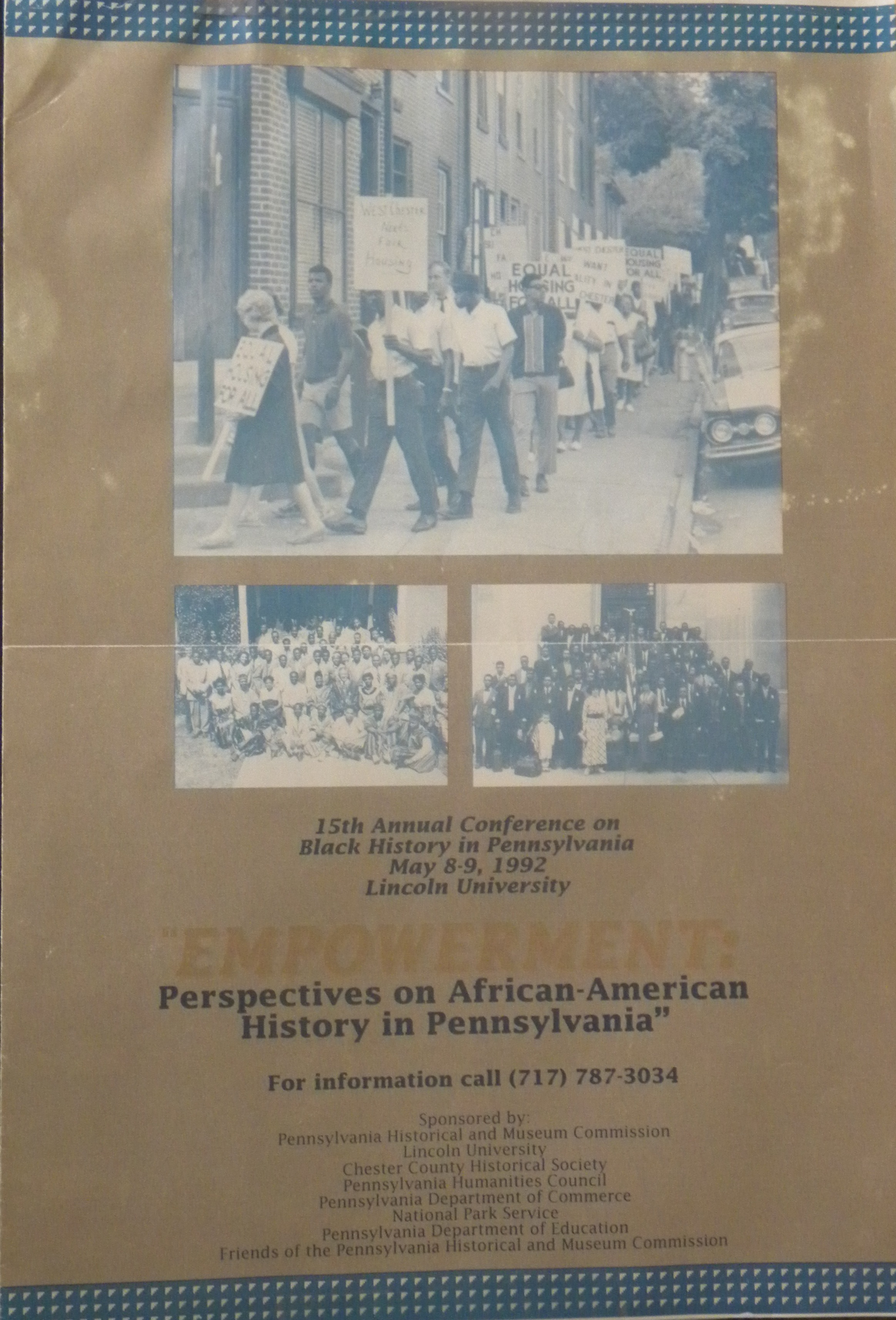
Conference agenda, 15th Annual Conference on Black History in Pennsylvania, Lincoln University (May 8/9 1992), May 10, 2012. (Donald Earl Collins).

This time two decades ago, I was driving my way home from a conference at Lincoln University in southeastern Pennsylvania. It was a week of more firsts that had become a small sample of a year of many firsts for me since getting into graduate school at the University of Pittsburgh in April ’91. It was my first road trip anywhere, and the first time I’d been in a car since earning my driver’s license in January ’92 (see my post “Taking the Long Road: Driver’s Delight” from January ’12). It was part of my first visit to NYC, Mount Vernon, and 616 since finishing my master’s degree.

That’s where my road trip began, Mount Vernon, as I’d wind my way to Yonkers, the Bronx, the GW Bridge, New Jersey and Philly (where I got lost twice) before ending up on the bucolic HBCU campus. I was at Lincoln University to present at my first academic conference, the 15th Annual Conference on Black History in Pennsylvania. The theme for that year’s conference was “Empowerment: Perspectives on African-American History in Pennsylvania. Somehow, the conference organizers approved me to present my paper comparing elements of intercultural education, multicultural education and Afrocentric education in Pittsburgh and Philadelphia during the 1930s and early 1990s.

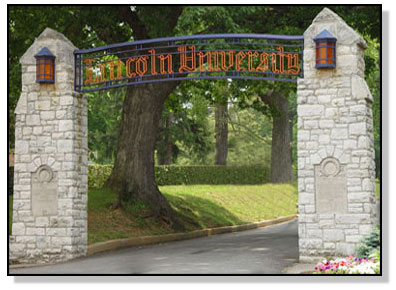
Lincoln University entrance and alumni arch, dedicated in 1921, May 10, 2012. (http://lincoln.edu).

If the road trip and the presentation were the only things important about this conference, that would’ve been plenty for me in May ’92. But there was so much more to this first conference for me than driving a Ford Escort in North Philly or getting on stage for the first time since sixth grade (see my post “Peaking As A Sixth Grader” from June ’11). It was my first time around a large number of Black academicians and activists. I met Julian Bond for the first time (his father, Horace Mann Bond, by the way, had served as president of Lincoln University from 1945 to 1957). Folks from the African American studies department at Temple University attempted to recruit me for their doctoral program. Knowing that Molefi Asante was there, I respectfully declined.

Above all else, I came away with two valuable experiences that would have an effect on me for years to come. One was being in the audience for a presentation from V.P. (or Vincent P.) Franklin, whose work on Black education in Philadelphia in the 1920s and 1930s I already knew. His was an extemporaneous presentation that lasted for well over twenty minutes. It was full of quotes, links between different historians’ research, and stories. It was extremely entertaining, delivered in an engrossing public speaking style, though not like some Southern Baptist preacher, either.

I was blown away by Franklin’s presentation. Especially in comparison to the one that I’d deliver some

Conference agenda (inside pages), 15th Annual Conference on Black History in Pennsylvania, Lincoln University (1992), May 10, 2012 (Donald Earl Collins).

twenty hours later. Mine was a well-studied delivery of ten pages of excerpts from my original paper. It was okay, not exactly a winner compared to anything that I’ve done in the two decades since. For it was with Franklin’s presentation and style from the day before that stuck with me. I decided immediately after my lackluster performance to always present my work extemporaneously, to work on my public speaking skills, to understand that presenting one’s work was a very different task than simply reading from it.

The second takeaway was in meeting my eventual dissertation advisor, Joe William Trotter, Jr. I met him after the first set of presentations on Friday morning, and ended up sitting with him for part of the Friday luncheon. I learned a few things in that first meeting. Up until that day, the only Black historians I knew in the Pittsburgh area were at Pitt or somehow affiliated with Pitt, including my then advisor Larry Glasco. The fact that Joe was across the way at Carnegie Mellon meant that there was at least the hope of gaining a different perspective on African American history than the stiff responses to Whites misconstruing the Black experience.

What made this first meeting even more intriguing was that Joe was in the process of putting together a graduate seminar for the Fall ’92 semester in African American history. It would be the first time that one had been taught at Carnegie Mellon. No such course existed at Pitt, either, at least as a graduate seminar. It meant that I could expect to get something out of my second year of graduate school (and first year as a PhD student) after all. “Where do I sign up?,” I asked after hearing what seemed like wonderful news at the time.

I returned to 616 twenty years ago on this date recharged and ready for another year of intellectual growth. But I should’ve also returned with far more insight into the politics of race, academia, trust, and academic competition than I actually had. The dynamics within the conference were extremely subtle, like an ultrasonic pulse undetected by most human hearing, but there driving the subconscious crazy anyway.

I didn’t see Joe’s invite to his classroom as a competition for me initially because I was obviously all-too-desperate to move on from Pitt, but not desperate enough to join Asante’s Temple of Afrocentricity (see my post “Writer’s Start” from August ’10 for more). Joe got me, all right. I just didn’t know it yet.

Almost Doesn’t Count

24 Saturday Mar 2012

Posted by decollins1969 in 1, Academia, culture, Eclectic, Politics, Pop Culture, race

≈ Leave a comment

Tags

Arrogance, Burnout, Carnegie Mellon University, Dissertation, Joe Trotter, Joe William Trotter Jr., Multiculturalism, New York University Press, Niko Pfund, NYU Press, Publishing, Publishing World, Rage, Rejection, Steven Schlossman, Trust


LA Lakers Shannon Brown's missed dunk in Game 1 of NBA Western Conference Finals vs. Phoenix Suns, May 17, 2010. (Getty Images).

The title for this post could also be “It Was Never Almost.” I had one of my best chances at publishing my dissertation on multiculturalism and mid-twentieth century Black Washington, DC (now the book Fear of a “Black” America) in March ’97. But not knowing the publishing world, combined with PTDD (post-traumatic dissertation disorder) from the past year of surviving Joe Trotter and my dissertation committee (see my “’It Is Done’” – 15 Years Later” post from November ’11 and “Letter of Recommendation (or “Wreck-o-Mendation)” post from September ’10) made this three-week period of negotiations a total communications mash-up.

I was in an “I’ll show them” mode in the months after my committee approved my dissertation “‘A Substance of Things Hoped For’: Multiculturalism, Desegregation, and Identity in African American Washington, DC, 1930-1960” at the end of November ’96. Within a month, I made some minor revisions to the 505-page tome, and worked on some query letters for academic publishing houses about turning the dissertation into a book.

I contacted Oxford University Press, Cambridge University Press, Princeton University Press and a few others. I also sent a query to New York University Press. Their acquisitions editor responded enthusiastically, and asked for a copy of the manuscript, which I dutifully sent their way in mid-February ’97.

And that’s when the communications about converting my doctoral thesis into a book went haywire. What was unknown to me was that Steven Schlossman, the chair of the history department at Carnegie Mellon, had been in contact with Niko Pfund, the then head of NYU Press (now president of Oxford University Press), about my dissertation. Three weeks after sending out my manuscript, I received a rejection letter from NYU Press, saying that while my manuscript was worthy of publication, that my “anachronistic use” of multiculturalism to describe the ideas and activities of Black intellectuals and educators in Washington, DC didn’t fly for them.

That same week, I received a telephone call from Schlossman asking me to meet about the dissertation. At his office, I not only learned that he had been in contact with Pfund and NYU Press. I also found out that he had sent them the first fifty pages or so of my dissertation without my permission. I told Schlossman about the fact that I’d already been in contact with NYU Press and that they had rejected the manuscript. But he insisted that his way of going through this process was the best way to go.

I was incensed at the idea that folks were working to publish my dissertation without my input. Especially someone like Schlossman, whom I knew didn’t understand why or how I had planned to use multiculturalism from a historical perspective for a book. I didn’t understand what I planned to do yet, but Schlossman could explain it? I left his office, upset and confused about the lack of communication between me and my department, and within NYU Press itself.

NYU Press-Niko Pfund Letter from March 1997, March 24, 2012. (Donald Earl Collins).

A few days later, I received a letter and then a telephone call from Niko Pfund. In the letter, he expressed interest in my manuscript, and wanted me to send in the whole thing. But his assistant had already done an extensive review of the partial manuscript they had received from Schlossman. It was one that was mixed, but it leaned slightly toward rejection because they didn’t get the term “multiculturalism” in the context of “Black history.”

I complained that I was getting mixed signals from Pfund and NYU Press. I’d been rejected, yet this was the second time I’d been invited to submit the same manuscript. The folks there didn’t understand why I used the term multiculturalism in my dissertation, yet never discussed the issue with me directly, just with Schlossman. Someone did a decidedly thorough yet biased review of a portion of my manuscript, yet never had the chapter in hand that was specifically about why multiculturalism has a history.

All I heard from Pfund were excuses, that Schlossman sought them out, that I was being offered an opportunity here for review, but certainly not for publication, because the NYU Press has “high standards.” I rejected him and his unapologetic bull crap on the spot. I decided that I couldn’t work with a place where the director didn’t even know that his acquisitions editor had rejected my manuscript, nor had the common sense to contact a potential author directly to clear up contradictory communications.

It turned out that Pfund and NYU Press weren’t my best opportunities for publishing my first book. But it would’ve been the best time to publish it, within months of completing the dissertation. It would’ve remained a timely topic, with President Bill Clinton’s Commission on Race commencing the following year.

It just wouldn’t have been the best time for me. I was pissed with the world, and burned out to boot. There really wasn’t anyone in my life who could’ve given me sage advice about the publishing process, and I certainly didn’t and couldn’t trust anyone in Carnegie Mellon’s history department to play that role. That much, I was certain about.

“It Is Done” – 15 Years Later

21 Monday Nov 2011

Posted by decollins1969 in 1, Academia, Boy @ The Window, culture, Eclectic, race, Youth

≈ Leave a comment

Tags

Academia, Barbara Lazarus, Barbara Sizemore, Betrayal, Calling, Careers, Carnegie Mellon University, Catherine Lugg, Dan Resnick, Daniel P. Resnick, Dissertation, Distrust, Education, Epiphany, Joe Trotter, Joe William Trotter Jr., Self-Discovery, Writing


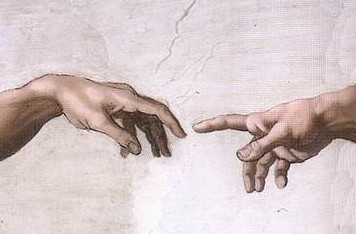
Hands of God & Adam, fingers about to touch, Sistine Chapel ceiling, Vatican, Michelangelo, 1508-1512 (via Wikipedia). In public domain.

The next twenty-four hours will mark a decade and a half since my former dissertation advisor Joe Trotter wrote today’s title quote in a God-like-pronouncement of an email to me regarding my final content-based revisions to my doctoral thesis. With those revisions following my committee meetings in October, I was now officially Dr. Collins. I knew that. I just didn’t feel it.

Working on a book-length research project with an abusive advisor and disinterested committee members at a school as conservative and isolating as Carnegie Mellon University left me exhausted. For I never felt I could ever be all of myself there. I made myself into the scholar I hoped that I wouldn’t become. At least, the twenty-one version of me that began graduate school back in ’91 held that hope. Five years later, I felt alienated from my own purpose and calling, and was more than unsure about becoming a full-time professor and historian. Especially given the wonderful examples of scholarly inhumanity and hypocrisy that Trotter, Dan Resnick and so many others had proven themselves to be (see “You’re Not Ready” post from November ’08 and “And Now, A Plagiarism Moment” post from September ’10).

I was burned out. I felt numb, with a boiling mantle of rage underneath the surface. If Trotter had said the

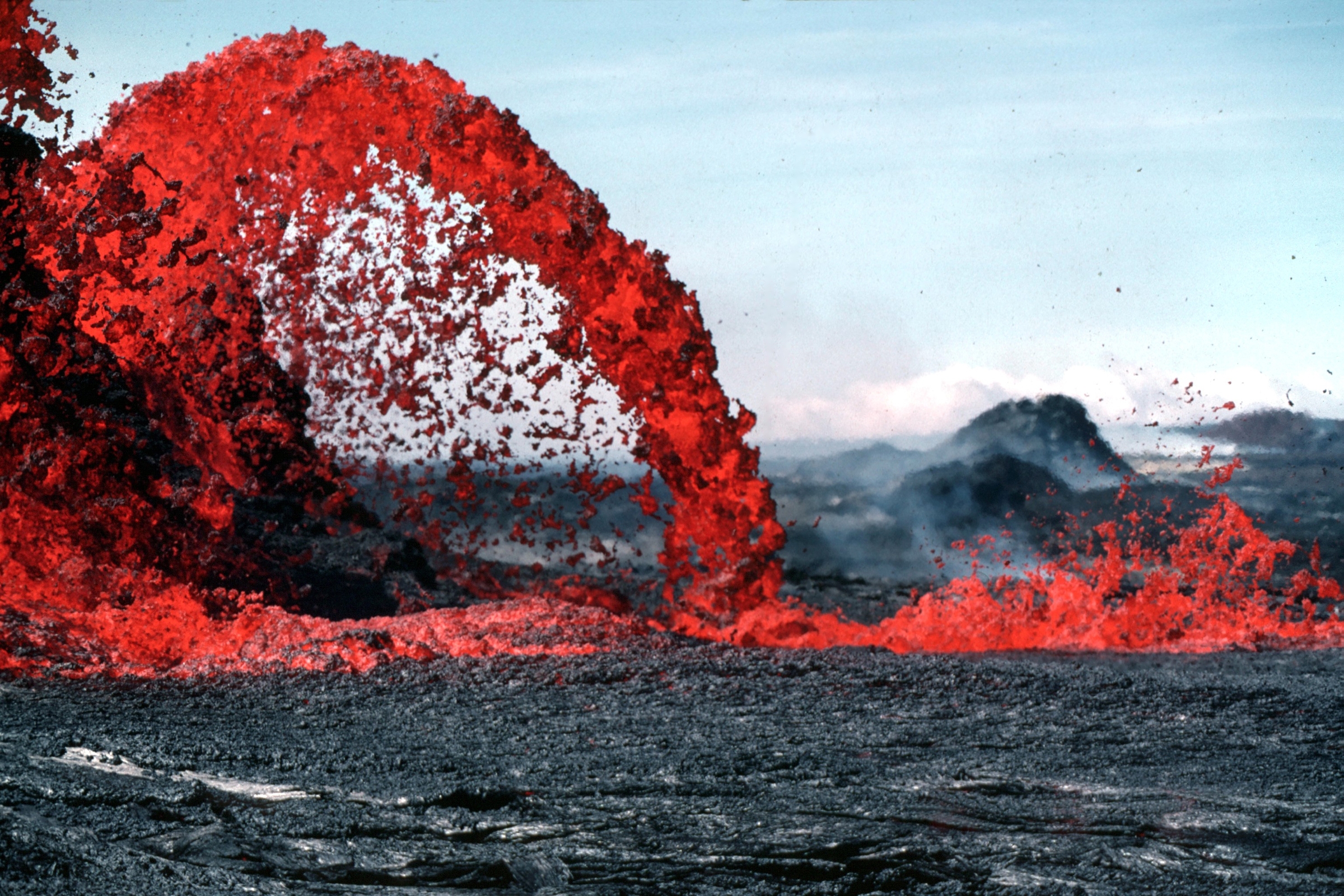
Arching fountain of a Pahoehoe (like my post-PhD rage) approximately 10 m high issuing from the western end of the 0740 vents, a series of spatter cones 170 m long, south of Pu‘u Kahaualea, September 10, 2007. (USGS via Wikipedia). In public domain.

wrong thing to me at the wrong time in ’96, I probably would’ve laid him out with a right hook to the jaw. And Resnick’s lucky that I didn’t own a car, because I might’ve run him down with it.

As it was, when Trotter attempted to meet with me a few weeks later to discuss “my future,” I refused. Especially given his suggestions for job applications. One, a one-year position at a University of Nebraska branch campus. The other, a CUNY school in Queens with a proposed position that wouldn’t begin until July ’98. I told him, “You don’t get to determine my future, certainly not without me.”

What should’ve been a period of rest and repair between Thanksgiving Week ’96 and graduation day in May ’97 was hardly that at all. It took me, really and truly, six months to recover from the dissertation process, and probably close to two years to not pass by or go on Carnegie Mellon’s campus without wanting to strangle my dissertation committee with piano wire. By then, I’d moved on to the rather mundane task of figuring out how to cobble together a career that wasn’t dependent on a full-time faculty position in academia.

And over the past fifteen years, I have pieced together several careers. As a part-time college professor, as a nonprofit program officer and as a consultant. It helped to have people like the late Barbara Lazarus and my dear friend Cath Lugg in my corner in those first years after I’d finished my doctorate. It helped that I expanded my career options from merely pursuing a history professorship wherever Joe Trotter’s winds could’ve taken me.

But it helped, most of all, for me to start trusting my instincts, my own heart, again. The irony of my complete disillusionment at the end of my degree-earning journey was that it left me with the time to contemplate whom I thought I really was, what I really wanted to do in life, and how I wanted to do it.

It was far from an immediate process of epiphanies and revelation. It took me nearly six years after finishing my dissertation to see myself as a writer, cutting through twenty years of denial and abuse in the process. It took me a little longer to see myself as a writer first and foremost, with all of my other professional hats second, third, and so forth. To understand that mine was a concern far greater than multiculturalism in education. My role as a writer and educator was also about aspirations, academic pathways to success, racial and ethnic equity in education, access to and success in college.

Barbara Sizemore, 1927-2004, circa mid-1990s. (http://sesp.northwestern.edu).

Now, that doesn’t mean that I haven’t looked back to wonder what could’ve been. If I were a White male with my credentials, I’d long ago been doing what I’ve been fighting to do as a writer and educator for years. If my advisors had been someone like a Cornel West or Henry Louis Gates. Or if I had attended an Ivy League school in undergrad. Or if I’d earned a master’s degree in journalism or communications, or a doctorate in a school of education or in psychology.

The late Barbara Sizemore once warned me about earning my doctorate in history some two decades ago. “You always have to do things the hard way, don’t you?,” she said to me with disapproval when she learned of my acceptance into Pitt’s history PhD program. I should’ve said, “Yes, I do.” Because the last fifteen years have been a hard road, as all roads to enlightenment are.

← Older posts
Newer posts →

Boy @ The Window: A Memoir

Boy @ The Window: A Memoir

Places to Buy/Download Boy @ The Window

There's a few ways in which you can read excerpts of, borrow and/or purchase and download Boy @ The Window. There's the trade paperback edition of Boy @ The Window, available for purchase via Amazon.com at http://www.amazon.com/Boy-Window-Donald-Earl-Collins/dp/0989256138/

There's also a Kindle edition on Amazon.com. The enhanced edition can be read only with Kindle Fire, an iPad or a full-color tablet. The links to the enhanced edition through Apple's iBookstore and the Barnes & Noble NOOK edition are below. The link to the Amazon Kindle version is also immediately below:

scr2555-proj697-a-kindle-logo-rgb-lg

Boy @ The Window on Amazon.com: http://www.amazon.com/Boy-The-Window-Memoir-ebook/dp/B00CD95FBU/

iBookstore-logo-300x100

Boy @ The Window on Apple's iBookstore: https://itunes.apple.com/us/book/boy-the-window/id643768275?ls=1

Barnes & Noble (bn.com) logo, June 26, 2013. (http://www.logotypes101.com).

Boy @ The Window on Barnes & Noble: http://www.barnesandnoble.com/w/boy-the-window-donald-earl-collins/1115182183?ean=2940016741567

You can also add, read and review Boy @ The Window on Goodreads.com. Just click on the button below:

Boy @ The Window

Twitter Updates

Tweets by decollins1969
  • RSS - Posts
  • RSS - Comments

Archives

  • June 2025
  • April 2023
  • September 2022
  • August 2022
  • July 2022
  • June 2022
  • May 2022
  • April 2022
  • March 2022
  • January 2022
  • December 2021
  • November 2021
  • October 2021
  • September 2021
  • August 2021
  • July 2021
  • June 2021
  • April 2021
  • March 2021
  • February 2021
  • January 2021
  • December 2020
  • November 2020
  • October 2020
  • September 2020
  • August 2020
  • July 2020
  • May 2020
  • April 2020
  • March 2020
  • January 2020
  • December 2019
  • November 2019
  • August 2019
  • July 2019
  • June 2019
  • May 2019
  • April 2019
  • March 2019
  • February 2019
  • January 2019
  • December 2018
  • November 2018
  • October 2018
  • September 2018
  • August 2018
  • July 2018
  • June 2018
  • May 2018
  • March 2018
  • February 2018
  • January 2018
  • December 2017
  • November 2017
  • October 2017
  • September 2017
  • August 2017
  • July 2017
  • June 2017
  • May 2017
  • April 2017
  • March 2017
  • February 2017
  • January 2017
  • December 2016
  • November 2016
  • October 2016
  • September 2016
  • August 2016
  • July 2016
  • June 2016
  • May 2016
  • April 2016
  • March 2016
  • February 2016
  • January 2016
  • December 2015
  • November 2015
  • October 2015
  • September 2015
  • August 2015
  • July 2015
  • June 2015
  • May 2015
  • April 2015
  • March 2015
  • February 2015
  • January 2015
  • December 2014
  • November 2014
  • October 2014
  • September 2014
  • August 2014
  • July 2014
  • June 2014
  • May 2014
  • April 2014
  • March 2014
  • February 2014
  • January 2014
  • December 2013
  • November 2013
  • October 2013
  • September 2013
  • August 2013
  • July 2013
  • June 2013
  • May 2013
  • April 2013
  • March 2013
  • February 2013
  • January 2013
  • December 2012
  • November 2012
  • October 2012
  • September 2012
  • August 2012
  • July 2012
  • June 2012
  • May 2012
  • April 2012
  • March 2012
  • February 2012
  • January 2012
  • December 2011
  • November 2011
  • October 2011
  • September 2011
  • August 2011
  • July 2011
  • June 2011
  • May 2011
  • April 2011
  • March 2011
  • February 2011
  • January 2011
  • December 2010
  • November 2010
  • October 2010
  • September 2010
  • August 2010
  • July 2010
  • June 2010
  • May 2010
  • April 2010
  • March 2010
  • February 2010
  • January 2010
  • December 2009
  • November 2009
  • October 2009
  • September 2009
  • August 2009
  • July 2009
  • June 2009
  • May 2009
  • April 2009
  • March 2009
  • February 2009
  • January 2009
  • December 2008
  • November 2008
  • October 2008
  • September 2008
  • August 2008
  • July 2008
  • June 2008
  • May 2008
  • April 2008
  • March 2008
  • February 2008
  • January 2008
  • December 2007
  • November 2007
  • October 2007
  • September 2007
  • August 2007
  • July 2007
  • June 2007

Recent Comments

MaryPena's avatarMaryPena on My Day of Atonement/Bitter Hat…
decollins1969's avatardecollins1969 on No Good Teaching Deed Goes…
Mary Rose O’Connell's avatarMary Rose O’Connell on No Good Teaching Deed Goes…

NetworkedBlogs on Facebook

NetworkedBlogs
Blog:
Notes From a Boy @ The Window
Topics:
My Life, Culture & Education, Politics & Goofyness
 
Follow my blog

616 616 East Lincoln Avenue A.B. Davis Middle School Abuse Academia Academy for Educational Development AED Afrocentricity American Narcissism Authenticity Bigotry Blackness Boy @ The Window Carnegie Mellon University Child Abuse Class of 1987 CMU Coping Strategies Crush #1 Crush #2 Death Disillusionment Diversity Domestic Violence Economic Inequality Education Family Friendship Friendships Graduate School Hebrew-Israelites High-Stakes Testing Higher Education History Homelessness Humanities Humanities Program Hypocrisy Internalized Racism Jealousy Joe Trotter Joe William Trotter Jr. K-12 Education Love Manhood Maurice Eugene Washington Maurice Washington Misogyny Mother-Son Relationship Mount Vernon High School Mount Vernon New York Mount Vernon public schools Multiculturalism MVHS Narcissism NFL Pitt Pittsburgh Politics of Education Poverty President Barack Obama Race Racial Stereotypes Racism Relationships Self-Awareness Self-Discovery Self-Reflection Sexism Social Justice Teaching and Learning University of Pittsburgh Violence Whiteness Writing

Top Rated

Blog at WordPress.com.

  • Subscribe Subscribed
    • Notes from a Boy @ The Window
    • Join 103 other subscribers
    • Already have a WordPress.com account? Log in now.
    • Notes from a Boy @ The Window
    • Subscribe Subscribed
    • Sign up
    • Log in
    • Report this content
    • View site in Reader
    • Manage subscriptions
    • Collapse this bar
 

Loading Comments...