• About Me
  • Other Writings
  • Interview Clips
  • All About Me: American Racism, American Narcissism, and the Conversation America Can’t Have
  • Video Clips
  • Boy @ The Window Pictures
  • Boy @ The Window Theme Music

Notes from a Boy @ The Window

~

Notes from a Boy @ The Window

Monthly Archives: November 2010

A Musical Mirror in Time

13 Saturday Nov 2010

Posted by decollins1969 in 1, Boy @ The Window, culture, earth, wind & fire, Eclectic, eclectic music, music, Pop Culture

≈ Leave a comment

Tags

"White Discussion", Anthony Hamilton, Boy @ The Window, Eclectic Music, Futurists, iPod, Live, Mariah Carey, Michael Bolton, Mr. Mister, Music, Musical Tastes, Nickelback, Sting, The Police, Time Traveling


My iPod, November 13, 2010. Donald Earl Collins

A side benefit to working on Boy @ The Window has been walking down memory lane in describing the music of those times. The music I listened to for inspiration, out of love, rage or goofiness. Or music that provided my means of escape from the drudgery of poverty at 616, the organized chaos that was Humanities and Mount Vernon public schools. Music that I stumbled upon, or deliberately discovered or discounted.

I’ve wondered off and on what the tunes in my ear and head would’ve been like if all the music that I’ve been exposed to since the end of the ’80s had all been at my fingertips in ’81 and ’82. I know one thing for sure. Had I the ability to send my eleven or twelve-year-old self my iPod from ’10, weird or not, Hebrew-Israelite or not, I’d been one of the coolest kids in school. Assuming that I wouldn’t have had to defend my improbable toy against bullies and muggers, that is.

So, now that I have access to music from any time and any year up to 2010, what would I’ve listened to

My iPod, Sting's "Desert Rose", November 13, 2010. Donald Earl Collins

during the Boy @ The Window years? Thinking about Crush #1, the music I had available in mind and in ear was Stevie Wonder’s “As” and “That Girl,” and The Police’s “Every Little Thing She Does Is Magic” between March and June ’82.

Fully acknowledging that I was in some sort of love then, gee, what would’ve fit my mood? What would’ve been appropriate to the chaos in the rest of my life? U2’s “Beautiful Day” — where “you’ve been all over, and it’s been all over you?” Or Coldplay’s “Clocks,” Sting’s “Desert Rose,” Tevin Campbell’s “Can We Talk,” and Celine Dion’s “That’s The Way It Is,” all songs of shyness and unrequited love? Talk about framing a mood!

Well, what about Crush #2, my obsession with her, and the pain she helped cause? What could complement music like Richard Marx’s “Should’ve Known Better,” Paul Carrack’s “Don’t Shed A Tear,” or Geto Boys’ “My Mind Playin’ Tricks On Me”? Going back to January ’88, Live’s “White, Discussion” would’ve been a place to start. White male angst about race and possibly love — “Look what all this talking got us, baby” screamed at maximum lung-ness by lead singer Ed Kowalczyk — could’ve just as easily been my sarcastic and rage-laced refrain regarding Crush #2.

Other, more goofy and less epic tunes to lay out my anger and disappointment — or to get over it — hmm. Probably something like Michael Bolton’s “Time, Love & Tenderness,” Mariah Carey’s “Can’t Let Go,” or Annie Lennox’s “Walking On Broken Glass.” Music from the ’90s. So much better for coping with crushes and trifling people.

On a more serious tip, what from my present would’ve soothed my constantly worried mind back in the days when mp3 would’ve been thought of as a kind of motor oil? My faves of the ’80s were Mr. Mister’s “Kyrie” and “Broken Wings,” because the songs met me where I was, a teenager struggling to find his true self, to succeed in school, to survive life at 616. Other than some social justice-lite songs like Marvin Gaye’s “What’s Goin’ On,” Sting’s “They Dance Alone,” or Peter Gabriel’s “Don’t Give Up,” there wasn’t much of a message in most of the music from the mid- to late-80s — at least related to my life.
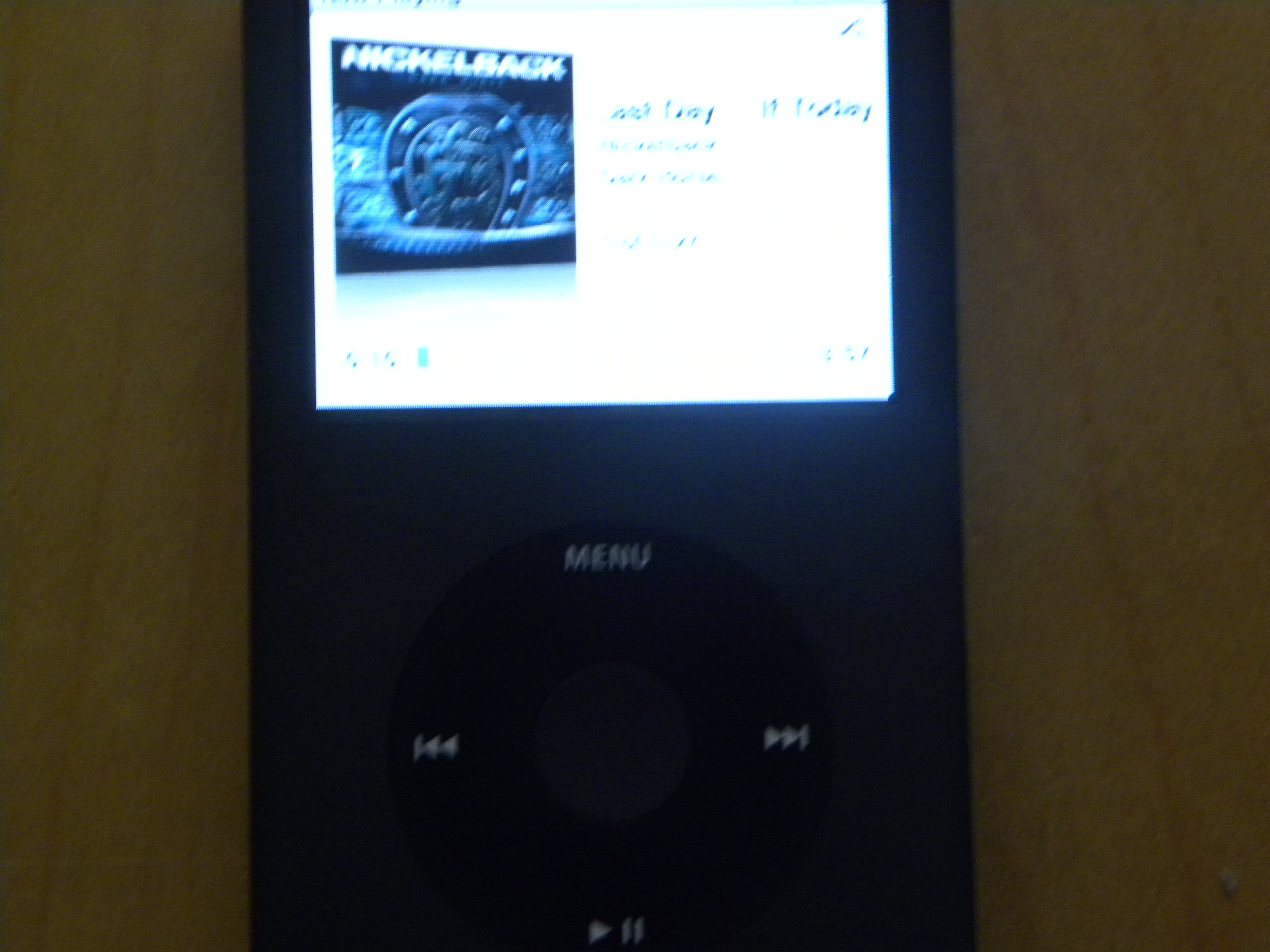
My iPod, Nickelback's "If Today Was Your Last Day," November 13, 2010. Donald Earl Collins.

But bringing music back from the future would’ve helped. Like Anthony Hamilton’s “Comin’ From Where I’m From,” Creed’s “Higher,” Sounds of Blackness’ “Optimistic,” even Nickelback’s “If Today Was Your Last Day.” The line of lines — “Against the grain should be a way of life” — has been when I’ve gotten the most out of myself, my God and my life.

I can only imagine what life would’ve been like with a piece of second-decade, twenty-first century
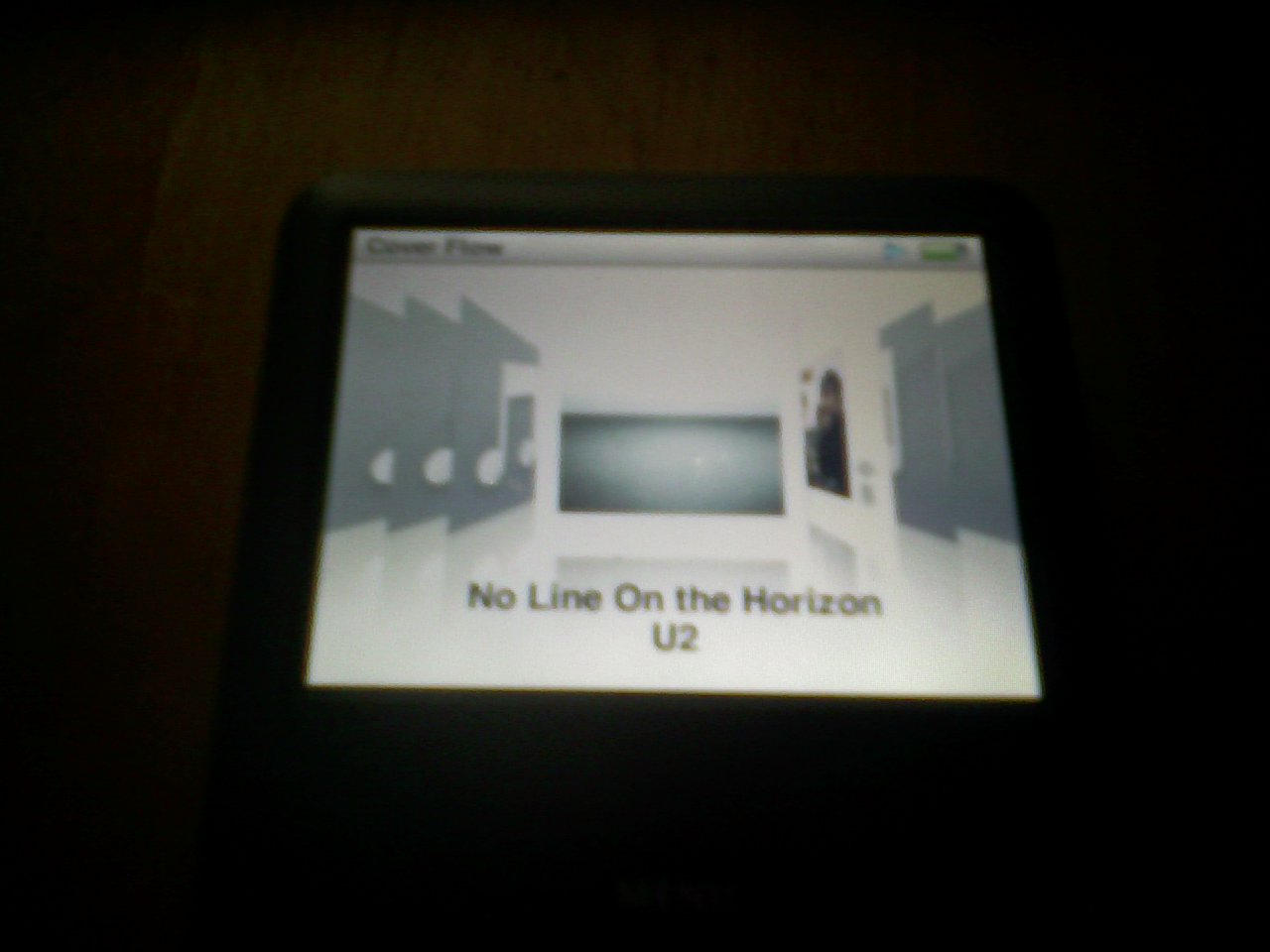
My iPod w/ U2, November 13, 2010. Donald Earl Collins

technology in the early ’80s. It made have made most of my embarrassing, disheartening and sorrowful moments easier to bear. But without those moments, I certainly wouldn’t have as full an appreciation of the music I listen to now and the blessings that have occurred in my life in the three decades since. As Anthony Hamilton would say, “Sometimes you gotta walk alone,” although with music, not completely alone.

Soledad O’Brien: Jesse Jackson Told Me I ‘Didn’t Count’ As Black

10 Wednesday Nov 2010

Posted by decollins1969 in Uncategorized

≈ 2 Comments


I’m discernibly darker than Soledad O’Brien, & ppl have told me that I’m not Black (or Black enough) 4 yrs. Probably because I like U2 & Earth, Wind & Fire.
Read the Article at HuffingtonPost

This Is Why I Write…I Think

09 Tuesday Nov 2010

Posted by decollins1969 in 1, Academia, Boy @ The Window, culture, Eclectic, Pop Culture, race

≈ Leave a comment

Tags

Black Male Narrative, Black Males, Boy @ The Window, Colleges & Universities, Education, Humanities Program, Intellectual Development, K-12 Education, Mount Vernon New York, Prison, Privileging Athletes and Entertainers, Publishing, Writing


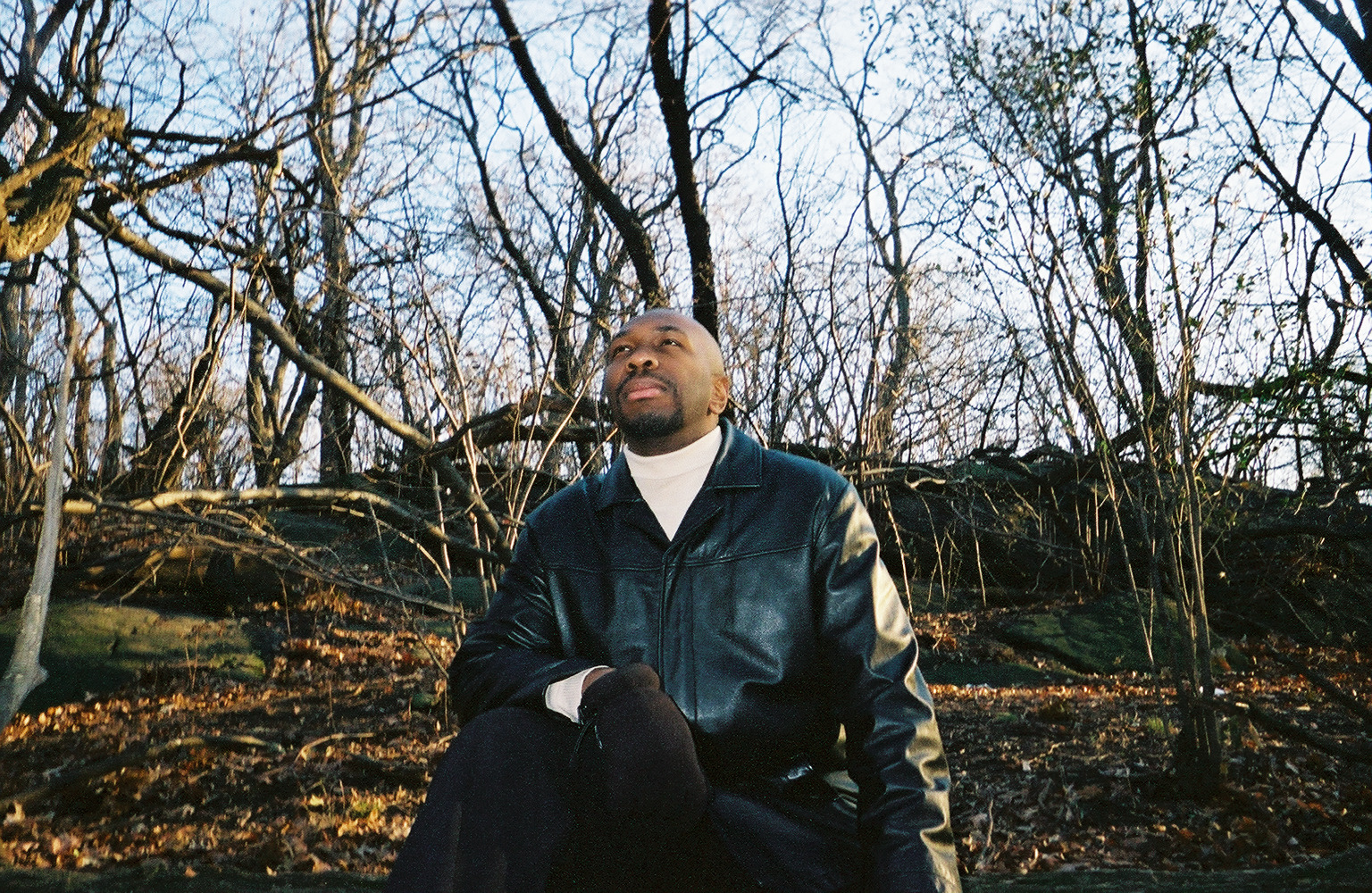
A Younger Me, Thinking, Central Park, New York, NY, December 23, 2002. Angelia N. Levy

In the course of the past half-decade of struggle over a now 360-page manuscript, even I’ve asked myself, why? What am I doing? Why in the world would I want to dredge up and relive twenty-three, twenty-five and thirty-year-old memories? Of all the books I think I have left in me, why a memoir about the years of my life I’ve tried hardest to forget, to not even discuss? Wouldn’t it be easier to write fiction, a novel that includes elements of that life without a detailed account of it? Why take the risk of offending my first hometown, my former classmates and teachers, my family? Why, dummy, why?


Well, it’s not because I get some perverse pleasure out of describing myself as a loser, or torturing myself with unfulfilled love, or because I’m trying to hurt other people’s feelings about Mount Vernon, New York or the Humanities Program. There are lots of reasons. Some of them start with my seven-year-old son. At the very least, I want him to understand his old man as he grows up better than I understood myself

Diary of a Wimpy Kid Book Cover Picture, November 9, 2010. Donald Earl Collins

growing up.


But it’s more than that, much more. I’m tired of sitting in interviews and in on staff meetings (when I worked full-time and had more consulting work) and hearing about the tiny number of highly educated Black males in the pipeline for high-level professional jobs. I’m tired of the narrative that says that Black males — and other males of color, for that matter — have to fuck up their lives in order to find the right path. It makes me groan — in my mind and out of my mouth — when I hear over and over again how few males of color even consider college, much less graduate or go on to advanced degrees.

But that’s not all. It’s disheartening to see these narratives play themselves out in African America, in America writ large, and in the publishing world. Like with my growing-up hometown. For the most part, entertainers and athletes — from the Williams and McCray brothers of the NBA past to Ben Gordon, from Denzel Washington to Al B. Sure — are the only ones with cred. Basketball, music, and occasionally, acting and dance are the ways other Blacks are inspired to have aspirations. Intellectual abilities, especially the ability to retain and then critique knowledge, are discounted. People like me growing up were nerds, or worse, just plain weird.

I write what I write because I know that in communities and in neighborhoods like the one I grew up in, the constant ridicule and the stifling of creative thinking and intellectual development can easily lead to stunted lives. I was lucky in a lot of ways, because I was deliberately naive, because of Humanities, because some of my classmates were almost as weird as me, because we had some wonderful teachers. But that doesn’t represent the Mount Vernon educational experience, not by a long shot.

I’m tired of students of color — especially males of color — falling through the cracks of horrible K-12 education because of bad policies, racial and economic politics, and principals as prison wardens. Not only in Mount Vernon. Pittsburgh. DC. PG County, Maryland. Baltimore, Sacramento, Oakland, New York City, Cleveland, Jackson, Mississippi, Jacksonville, Florida, Atlanta, San Francisco, Philadelphia and so many other schools and school districts I’ve visited for work or research purposes over the years.

The narrative that a Black male can only find their way out of poverty through committing criminal errors that lead to prison time and enlightenment goes all the way back to Richard Wright’s Native Son and Black Boy. The one about Black males finding a niche in the world of entertainment — as athletes, musicians, rap artists, actors and comedians — has its roots in original Black heavyweight champion Jack Johnson. The narrative that involves Black males who used education and their intellectual talents to overcome their circumstances and these stereotypical narratives is seldom heard from in the publishing world.


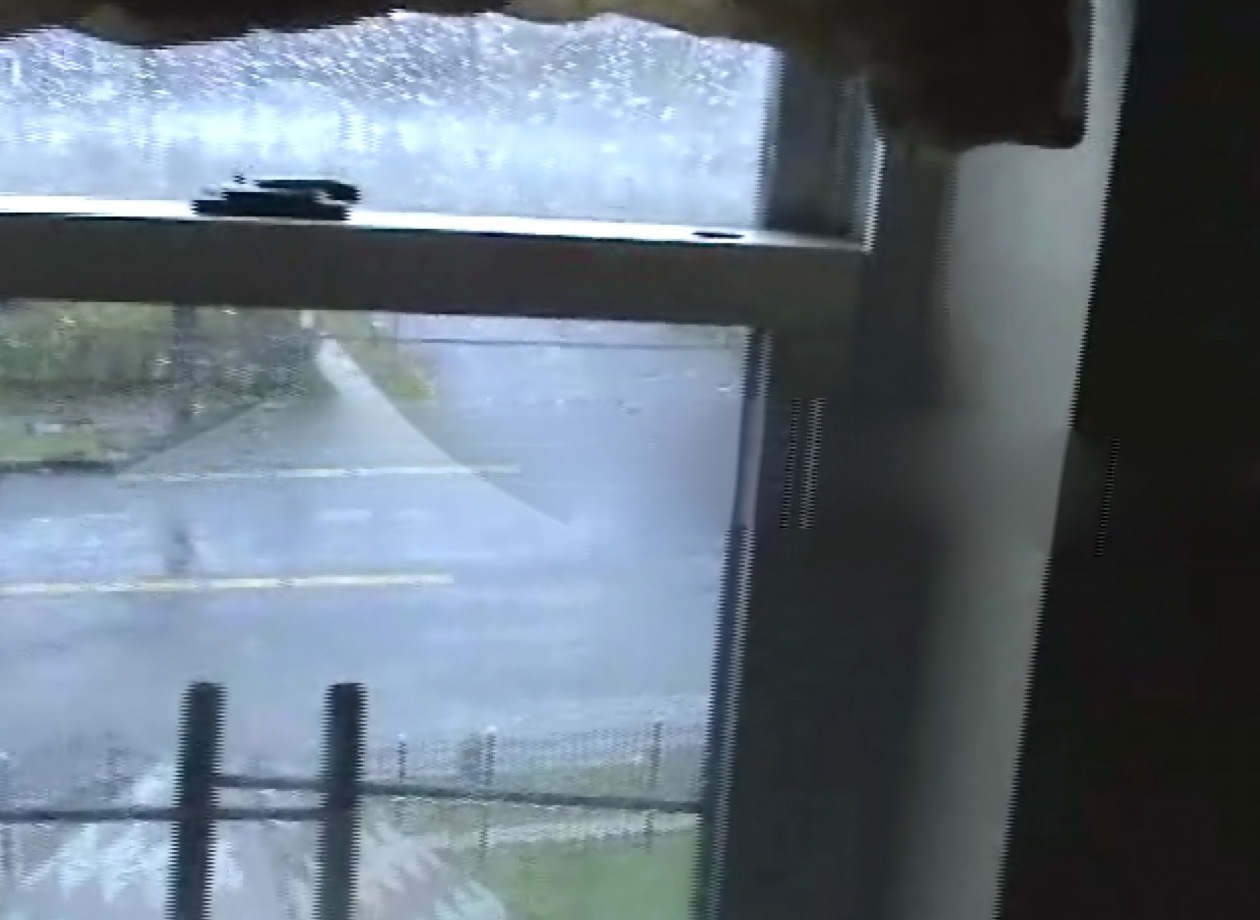
616 Living Room Window Screen Shot, November 23, 2006. Donald Earl Collins

That’s likely because some folks think that this story’s been overdone. Even though anyone can count those memoirs and novels on their fingers and thumbs. Maybe it’s not entertaining enough to describe a life full of violence and psychological torture, but with no crimes committed by the main character, no veins injected with heroin, no women knocked up with kids. I write my manuscript because I lived long enough to have learned that there are tens of thousands of Black boys and other boys of color — not to mention their teachers, parents, principals — who languish in the struggle to succeed because they’re not scoring touchdowns, spittin’ rhymes or dunking on rims. Or trying to live the thug life, for that matter. These are the kids that need to be saved, as much as the kids who are already on the brink of prison life.


For all these reasons, I write Boy @ The Window. For all of these reasons, I post on this blog as much as I do. To say what I’ve thought, but often haven’t said. And to do it without sounding as serious as an academician. Nor as entertaining as a stoned Baby Boomer trying to make the 70s sound cool. It’s a balance, and I’ve made many mistakes along the way. And will likely make more. But in all of this, I’ve found so much more of my humanity than I thought possible. I just hope that it’s really worth it.

Wisdom, Youth and Voting

04 Thursday Nov 2010

Posted by decollins1969 in 1, Boy @ The Window, culture, Politics, Pop Culture, race, Youth

≈ Leave a comment

Tags

26th Amendment, Activism, Civic Engagement, Corruption Perceptions Index, Election 2010, Howard Fineman, Low Voter Turnout, Political Corruption, Ted Halstead, The Atlantic Monthly, Transparency, Twenty-Sixth Amendment, Voters 18-24, Voters 18-29, Voters 18-39, Young People


Two Great Symbols of Sanity and Youth, Rally to Restore Sanity, Washington, DC, October 30, 2010. Donald Earl Collins

Back in the days when The Atlantic Monthly was really humming with cutting-edge articles, New America Foundation founder and former president Ted Halstead’s “A Politics for Generation X” appeared in the magazine’s August ’99 issue. In his piece, Halstead wrote, “Xers appear to have enshrined political apathy as a way of life….” and “are considerably less likely than previous generations of young Americans to call or write elected officials, attend candidates’ rallies, or work on political campaigns.” This was part of a much larger piece on the lack of Gen X political knowledge, participation and activism, and served as a bedrock article for the civic engagement community for most of the ’00s.

For many, Tuesday’s midterm elections and the utter lack of participation of eighteen to twenty-four year-olds (folks born between ’86 and ’92, roughly, anyway) reflects Halstead’s words of wisdom and sobriety. Only nine percent of eligible Gen Yers voted in Election ’10, fully half of the number who came out overwhelming for President Barack Obama in ’08. Gen Xers came out in larger numbers, but still didn’t touch their near three in five eligible voter participation from two years ago.

How terrible, the scholars and pundits have said. From Keith Olbermann and Howard Fineman to Donna Brazzile, Melissa Harris-Perry and so many others, the reasons varied. It was the anger and disgust over being saddled with student loans and graduating college with no jobs available. Or it was the demobilization of the millions of folks kept active by the Obama campaign machine in ’07 and ’08. Or it was because President Obama had used up all of his political capital on a year of healthcare reform, with unclear benefits or with benefits that wouldn’t kick in until ’14.

While I’m sure some of all of this is true, all of the commentary and analysis reflects a bit of disconnect

Rally to Restore Sanity Crowd, Washington, DC, October 30, 2010. Donald Earl Collins

and condescension. The folks invested in politics can’t truly understand why millions of adults under the ages of twenty-five, thirty, and even forty find traditional American civic engagement about as vital as the Spanish Inquisition. Condescending because those with any voice in the public arena and around politics act as if those who choose not to vote are the reason for the bad politics we have in our wonderful country.

Pulling out the old “people marched and died for your right to vote,” as true as that is, is about as effective in mobilizing these voters as Sarah Palin is at appearing as intelligent as my seven-year-old son. Saying that voters who don’t vote “get the government that they deserve” only serves to prove the point of the most jaded among us. None of this works, and it hasn’t worked for the nearly four decades since the Twenty-Sixth Amendment passed in ’71.

Here’s the real truism of generational inactivity at the polls and in the campaign offices. As a group, the voters under forty see American politics as opaque, out of touch, corrupt and heavily influenced by corporate and moneyed interests. More than eighteen years ago, a friend of mine at Carnegie Mellon got into a debate with me about campaign finance reform and how then Democratic presidential candidate Clinton needed to make this the centerpiece of his platform. That didn’t happen.

Halloween & The Two-Party System, Rally to Restore Sanity, Washington, DC, October 30, 2010. Donald Earl Collins

But he was correct. The process — despite the passage of McCain-Feingold in ’02 and because of the Supreme Court’s decision in favor of unfettered corporate contributions earlier this year — is more corrupt and secret than it has been before. Transparency International’s 2010 Corruption Perceptions Index ranks the US twenty-second in levels of corruption and transparency, putting us between Belgium and Uruguay. This isn’t a joke, but those of us under forty see our political process as one.

One thing for the expert class in American politics to think about — especially those of us who see ourselves as progressives or liberals — is a Biblical truism about being “doers of the words, and not hearers only.” What does this mean in the context of this post? Well, on Tuesday and Wednesday morning, I left before 7 am to vote one day and to pick up some groceries the next. I bumped into City Year workers — so-called young people — on those days, rising early to do their good works, to engage in meaningful work, to — dare I say it — change the world.

Voting for the younger adults in this country is hardly enough, because they don’t see it as making any more difference than dumping salt in the Atlantic. Volunteering for campaigns, for people who could get caught in a scandal at any moment? That’s a ridiculous idea. Working and doing good work to change peoples lives, however, is much more meaningful, and less fraught with scandal, corruption and hypocrisy than coming out to vote for candidates of two parties seemingly the puppets of K Street and corporate interests.

Until the poets, priests and politicians of our era get that, we will continue to see the politics of the foolhardy. For the people who aren’t voting may be acting out of a wisdom that the experts don’t understand.

Bad Conversations and Education Reform

02 Tuesday Nov 2010

Posted by decollins1969 in 1, Academia, Boy @ The Window, culture, Eclectic, Politics, race

≈ 2 Comments

Tags

A Nation At Risk, Bill Gates, Conversations on Education Reform, Corporate Interests, Double the Numbers, Education, Education Reform, Experts, Higher Education, K-12 Education, K-16 Education, Obama Administration, Parents, Politics of Education, Race and Education, STEM Fields, Students, Teachers, Thomas L. Friedman


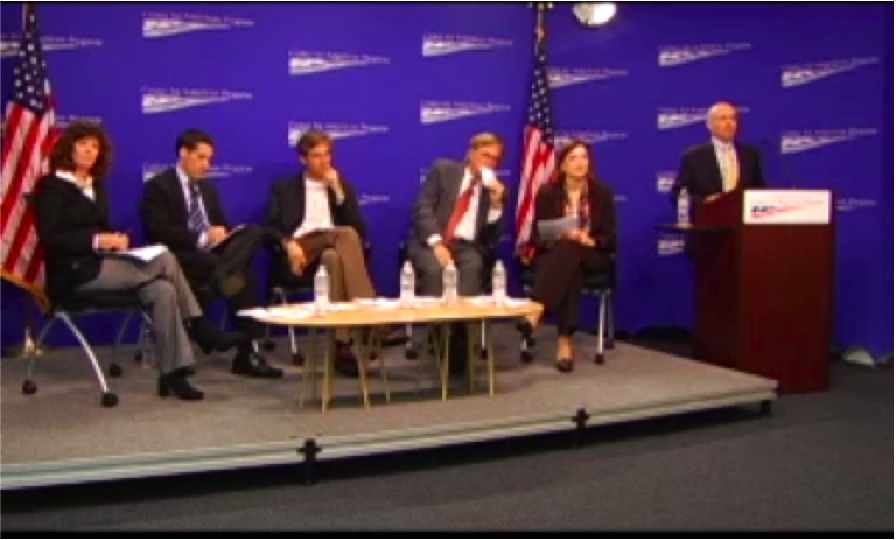
Improving Degree Completion for 21st Century Students, Center for American Progress, Washington, DC, November 2, 2010, Screen Shot. Donald Earl Collins

I’ve been thinking about the fields in which I’ve worked and sort-have-worked in over the past fourteen years, and I’ve drawn one simple conclusion. For all of the talk of education reform, the talk about reform itself is in need of a reformation. I’m tired of the contrast between the experts in the field — who pay little attention to the cutting-edge trends, research and activism in K-16 education — and the everyday folks. They refuse to do anything except complain about teachers, as if education is as simple as organizing a file cabinet.  The who, what and what for’s regarding education reform has stifled what should be an engaging conversation, one that’s essential in the consideration of America’s twenty-first century ills.

Who’s part of this conversation remains something of an atrocity. Almost all of the experts in education reform — whether on a scholarly panel or in the documentary Waiting for Superman — tend to be Whites (more male than female) over the age of fifty. With more than one in three students in public schools of color — and with tens of thousands of teachers and administrators of color in this school districts — it’s hard to believe that all the experts are White, and most of those are middle-aged to elderly males. Their vision, at best, is a liberalized twentieth-century vision of K-12 and postsecondary education. Most of their proposed solutions — smaller class sizes, more homework, small schools, higher certification standards — will not in any way fundamentally reform K-16 education.

When combined with what’s considered important in education reform these days, it becomes painfully

A Nation At Risk (1983) Book Cover, November 2, 2010. Donald Earl Collins

obvious that the conversations we have on education reform are predetermined ones based on certain interests and short-sighted economic considerations. Most of the money in education reform — whether from the federal government, private foundations or corporate interests — is earmarked for things related to STEM fields (science, technology, engineering and mathematics). No one living in this century would deny the importance of STEM fields to a post-industrial economy. But not to the exclusion of everything else. Science folk and scribes alike still need to know how to write well, to think critically, to act ethically, to extend themselves beyond government and corporate interests.

Thomas Friedman — at least as he wrote in The World Is Flat (2005) — Bill Gates, the Obama Administration are all correct in that STEM fields will provide living wages and supply jobs at a rate over the next generation to replace the easy jobs of the by-gone era of industrial jobs straight out of high school. Yet none of them fully appreciates the connection between education reform, community development, corporate irresponsibility, lobbyists and the swaying of government policies and the politics of race and class in all of this.

STEM fields without a real direction for providing livable communities for the poor and for low-income people of color. Education reform that doesn’t do more than make scientists out of artists. Ideas that don’t account for the long-term issues of climate change and energy and resource depletion. Education policies that contradict themselves in terms of funding and a lack of understanding of what education reform truly

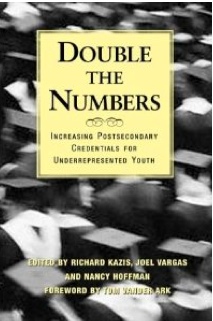
Double the Numbers (2004) Book Cover, November 2, 2010. Donald Earl Collins

means. That’s what we have now, and have had since the 1940s.

In the end, all these ideas are about is tapping the same human resources. The dwindling middle class, folks who’ve managed a traditional education track, folks whose lives are stable enough to allow the resources necessary for higher and advanced education. This need to tweak — instead of overhaul — the educational status quo and then call it reform is what leads to bad conversations. This is why what little in the way of reform actually occurs, and why so few of our kids get the reform they truly deserve.

Newer posts →

Boy @ The Window: A Memoir

Boy @ The Window: A Memoir

Places to Buy/Download Boy @ The Window

There's a few ways in which you can read excerpts of, borrow and/or purchase and download Boy @ The Window. There's the trade paperback edition of Boy @ The Window, available for purchase via Amazon.com at http://www.amazon.com/Boy-Window-Donald-Earl-Collins/dp/0989256138/

There's also a Kindle edition on Amazon.com. The enhanced edition can be read only with Kindle Fire, an iPad or a full-color tablet. The links to the enhanced edition through Apple's iBookstore and the Barnes & Noble NOOK edition are below. The link to the Amazon Kindle version is also immediately below:

scr2555-proj697-a-kindle-logo-rgb-lg

Boy @ The Window on Amazon.com: http://www.amazon.com/Boy-The-Window-Memoir-ebook/dp/B00CD95FBU/

iBookstore-logo-300x100

Boy @ The Window on Apple's iBookstore: https://itunes.apple.com/us/book/boy-the-window/id643768275?ls=1

Barnes & Noble (bn.com) logo, June 26, 2013. (http://www.logotypes101.com).

Boy @ The Window on Barnes & Noble: http://www.barnesandnoble.com/w/boy-the-window-donald-earl-collins/1115182183?ean=2940016741567

You can also add, read and review Boy @ The Window on Goodreads.com. Just click on the button below:

Boy @ The Window

Twitter Updates

Tweets by decollins1969
  • RSS - Posts
  • RSS - Comments

Archives

  • June 2025
  • April 2023
  • September 2022
  • August 2022
  • July 2022
  • June 2022
  • May 2022
  • April 2022
  • March 2022
  • January 2022
  • December 2021
  • November 2021
  • October 2021
  • September 2021
  • August 2021
  • July 2021
  • June 2021
  • April 2021
  • March 2021
  • February 2021
  • January 2021
  • December 2020
  • November 2020
  • October 2020
  • September 2020
  • August 2020
  • July 2020
  • May 2020
  • April 2020
  • March 2020
  • January 2020
  • December 2019
  • November 2019
  • August 2019
  • July 2019
  • June 2019
  • May 2019
  • April 2019
  • March 2019
  • February 2019
  • January 2019
  • December 2018
  • November 2018
  • October 2018
  • September 2018
  • August 2018
  • July 2018
  • June 2018
  • May 2018
  • March 2018
  • February 2018
  • January 2018
  • December 2017
  • November 2017
  • October 2017
  • September 2017
  • August 2017
  • July 2017
  • June 2017
  • May 2017
  • April 2017
  • March 2017
  • February 2017
  • January 2017
  • December 2016
  • November 2016
  • October 2016
  • September 2016
  • August 2016
  • July 2016
  • June 2016
  • May 2016
  • April 2016
  • March 2016
  • February 2016
  • January 2016
  • December 2015
  • November 2015
  • October 2015
  • September 2015
  • August 2015
  • July 2015
  • June 2015
  • May 2015
  • April 2015
  • March 2015
  • February 2015
  • January 2015
  • December 2014
  • November 2014
  • October 2014
  • September 2014
  • August 2014
  • July 2014
  • June 2014
  • May 2014
  • April 2014
  • March 2014
  • February 2014
  • January 2014
  • December 2013
  • November 2013
  • October 2013
  • September 2013
  • August 2013
  • July 2013
  • June 2013
  • May 2013
  • April 2013
  • March 2013
  • February 2013
  • January 2013
  • December 2012
  • November 2012
  • October 2012
  • September 2012
  • August 2012
  • July 2012
  • June 2012
  • May 2012
  • April 2012
  • March 2012
  • February 2012
  • January 2012
  • December 2011
  • November 2011
  • October 2011
  • September 2011
  • August 2011
  • July 2011
  • June 2011
  • May 2011
  • April 2011
  • March 2011
  • February 2011
  • January 2011
  • December 2010
  • November 2010
  • October 2010
  • September 2010
  • August 2010
  • July 2010
  • June 2010
  • May 2010
  • April 2010
  • March 2010
  • February 2010
  • January 2010
  • December 2009
  • November 2009
  • October 2009
  • September 2009
  • August 2009
  • July 2009
  • June 2009
  • May 2009
  • April 2009
  • March 2009
  • February 2009
  • January 2009
  • December 2008
  • November 2008
  • October 2008
  • September 2008
  • August 2008
  • July 2008
  • June 2008
  • May 2008
  • April 2008
  • March 2008
  • February 2008
  • January 2008
  • December 2007
  • November 2007
  • October 2007
  • September 2007
  • August 2007
  • July 2007
  • June 2007

Recent Comments

MaryPena's avatarMaryPena on My Day of Atonement/Bitter Hat…
decollins1969's avatardecollins1969 on No Good Teaching Deed Goes…
Mary Rose O’Connell's avatarMary Rose O’Connell on No Good Teaching Deed Goes…

NetworkedBlogs on Facebook

NetworkedBlogs
Blog:
Notes From a Boy @ The Window
Topics:
My Life, Culture & Education, Politics & Goofyness
 
Follow my blog

616 616 East Lincoln Avenue A.B. Davis Middle School Abuse Academia Academy for Educational Development AED Afrocentricity American Narcissism Authenticity Bigotry Blackness Boy @ The Window Carnegie Mellon University Child Abuse Class of 1987 CMU Coping Strategies Crush #1 Crush #2 Death Disillusionment Diversity Domestic Violence Economic Inequality Education Family Friendship Friendships Graduate School Hebrew-Israelites High-Stakes Testing Higher Education History Homelessness Humanities Humanities Program Hypocrisy Internalized Racism Jealousy Joe Trotter Joe William Trotter Jr. K-12 Education Love Manhood Maurice Eugene Washington Maurice Washington Misogyny Mother-Son Relationship Mount Vernon High School Mount Vernon New York Mount Vernon public schools Multiculturalism MVHS Narcissism NFL Pitt Pittsburgh Politics of Education Poverty President Barack Obama Race Racial Stereotypes Racism Relationships Self-Awareness Self-Discovery Self-Reflection Sexism Social Justice Teaching and Learning University of Pittsburgh Violence Whiteness Writing

Top Rated

Blog at WordPress.com.

  • Subscribe Subscribed
    • Notes from a Boy @ The Window
    • Join 103 other subscribers
    • Already have a WordPress.com account? Log in now.
    • Notes from a Boy @ The Window
    • Subscribe Subscribed
    • Sign up
    • Log in
    • Report this content
    • View site in Reader
    • Manage subscriptions
    • Collapse this bar
 

Loading Comments...